


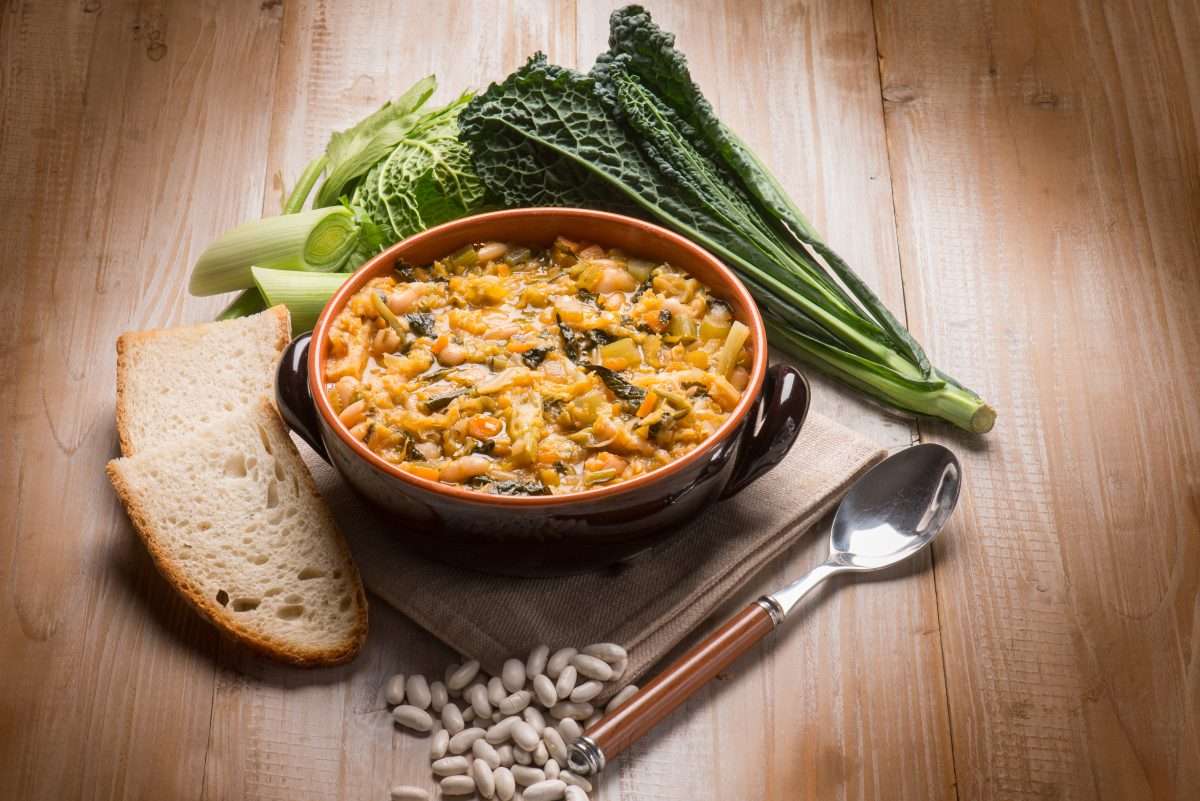
Ribollita Revealed: Florence’s Iconic Hearty Soup
Florence, the heart of Tuscany, is renowned for its rich history, stunning art, and, notably, its exceptional cuisine. Among the many culinary treasures of this Italian region, Ribollita stands out as an iconic hearty soup that embodies the essence of Tuscan cooking. This traditional dish, whose name translates to “reboiled,” is a flavorful amalgamation of vegetables, beans, and bread. In this article, we’ll delve into the origins, ingredients, and preparation of Ribollita, revealing why it remains a beloved staple in Florence and a symbol of Tuscan cuisine worldwide.
The Origins of Ribollita
The roots of Ribollita trace back to the Middle Ages, deeply entrenched in the concept of “cucina povera,” or “poor kitchen.” This style of cooking was characterized by simplicity and resourcefulness, utilizing readily available and inexpensive ingredients. Peasants would reboil leftover minestrone or vegetable soup, adding stale bread to stretch the meal and prevent waste. Over time, this practice evolved into Ribollita, a dish that not only nourished but also became a cherished part of Florentine cuisine.
Key Ingredients That Define Ribollita
The authenticity of Ribollita lies in its traditional ingredients, each contributing to its rich flavor and hearty texture:
- Cannellini Beans: These white beans add a creamy consistency and are a primary source of protein.
- Cavolo Nero (Tuscan Kale): Known for its slightly bitter taste, it provides depth and is a staple in Tuscan cooking.
- Seasonal Vegetables: Carrots, celery, potatoes, zucchini, and onions form the flavorful base.
- Stale Bread: Day-old Tuscan bread, preferably unsalted, thickens the soup and adds substance.
- Tomatoes: Fresh or canned, they impart a subtle sweetness and acidity.
- Herbs: Rosemary, thyme, and bay leaves enhance the aromatic profile.
- Extra Virgin Olive Oil: High-quality Tuscan olive oil enriches the overall taste.
How to Prepare Ribollita: A Step-by-Step Guide
1. Soak and Cook the Beans
Start by soaking cannellini beans overnight. Drain and rinse them before cooking in fresh water until tender. Reserve the cooking liquid, as it will be used later.
2. Sauté the Base Vegetables
In a large pot, heat a generous amount of extra virgin olive oil. Add chopped onions, carrots, celery, and minced garlic. Sauté until the vegetables are soft and fragrant.
3. Add the Greens
Incorporate chopped cavolo nero and savoy cabbage into the pot. Cook until the greens have wilted, releasing their flavors into the mix.
4. Introduce Tomatoes and Herbs
Add diced tomatoes (or tomato puree) along with fresh herbs like rosemary and thyme. Stir well to combine all the ingredients.
5. Combine Beans and Cooking Liquid
Add the cooked cannellini beans and their reserved liquid to the pot. If more liquid is needed, add vegetable broth or water. Season with salt and pepper to taste.
6. Simmer Slowly
Allow the soup to simmer over low heat for about an hour. This slow cooking process melds the flavors, creating a rich and hearty base.
7. Incorporate the Bread
Break stale Tuscan bread into pieces and add it to the soup. Stir well, allowing the bread to absorb the liquid and thicken the soup.
8. The Reboiling Process
For an authentic Ribollita, let the soup cool and refrigerate overnight. The next day, reheat (reboil) the soup slowly. This step intensifies the flavors and is key to the dish’s name and tradition.
9. Serve and Enjoy
Ladle the hot Ribollita into bowls. Drizzle with extra virgin olive oil and, if desired, sprinkle with freshly grated Parmesan cheese. Serve with a side of crusty bread.
Why Ribollita Is a Staple in Florentine Cuisine
Nutritional Benefits
Ribollita is not only delicious but also packed with nutrients. The combination of beans, vegetables, and whole-grain bread provides a balanced meal rich in fiber, protein, vitamins, and minerals.
Cultural Significance
This soup is a testament to the Tuscan ethos of simplicity and sustainability. By transforming leftovers into a delectable dish, Ribollita exemplifies the ingenuity of Florentine cooking.
Versatility
While the traditional recipe is cherished, Ribollita allows for flexibility. Seasonal vegetables can be added or substituted, making it a versatile dish that can adapt to different tastes and ingredient availability.
Tips for Making the Perfect Ribollita
- Use Quality Ingredients: Opt for fresh, locally sourced vegetables and high-quality olive oil to capture authentic Tuscan flavors.
- Don’t Skip the Reboil: The reboiling process deepens the taste, making it an essential step in creating true Ribollita.
- Season Gradually: Add salt and pepper at different stages to build layers of flavor.
- Let It Rest: Like many stews, Ribollita tastes even better the next day after the flavors have fully developed.
Pairing Ribollita with Tuscan Wines
Complement your Ribollita with a glass of Chianti Classico or Montepulciano. These robust red wines from Tuscany enhance the hearty flavors of the soup and provide a true Tuscan dining experience.
Ribollita Around the World
Ribollita’s appeal has transcended Italian borders, making its way onto menus worldwide. Its comforting qualities and rich history resonate with international audiences, contributing to the global appreciation of Tuscan cuisine.
Bringing a Taste of Florence to Your Home
Recreating Ribollita at home is a delightful way to explore Florentine culinary traditions. It’s an opportunity to engage with the history and culture of Tuscany, all while enjoying a satisfying meal.
Where to Find Ingredients
- Local Markets: Fresh produce markets often carry the necessary vegetables and herbs.
- Specialty Stores: Italian delis or specialty food stores may offer authentic Tuscan bread and olive oil.
- Online Retailers: Quality ingredients can also be sourced online, ensuring you have everything needed for an authentic Ribollita.
Conclusion
Ribollita is more than just a soup; it’s a reflection of Florence’s rich heritage and the Tuscan way of life. This iconic hearty soup embodies the principles of simplicity, sustainability, and flavor that define Florentine cuisine. Whether enjoyed in a rustic trattoria overlooking the Tuscan hills or prepared in your own kitchen, Ribollita offers a nourishing and culturally enriching experience.
By uncovering the secrets of Ribollita, we’ve journeyed through history, explored traditional cooking methods, and celebrated a dish that continues to warm hearts and homes. So gather your ingredients, embrace the reboiling tradition, and savor the authentic taste of Florence’s iconic hearty soup.