


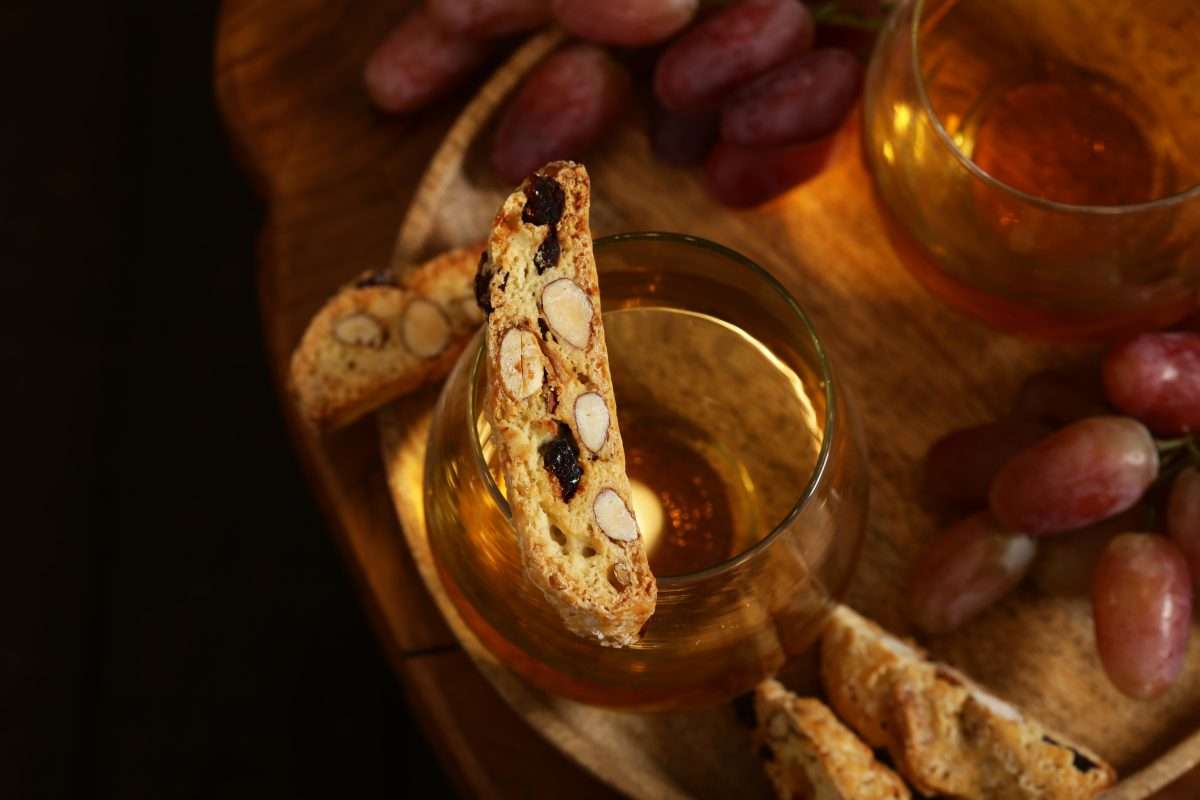
Cantucci and Vin Santo: A Sweet Florentine Tradition
When it comes to the culinary delights of Florence, the capital of Italy’s Tuscany region, few traditions are as beloved and enduring as the pairing of Cantucci and Vin Santo. This classic duo embodies the essence of Florentine cuisine, offering a sweet finale to meals that is both simple and sophisticated. In this article, we’ll explore the rich history, preparation, and cultural significance of Cantucci and Vin Santo, delving into why this sweet Florentine tradition continues to captivate locals and visitors alike.
The Origins of Cantucci: A Biscuit with History
Cantucci, also known as Biscotti di Prato, are traditional Tuscan almond biscuits that have been enjoyed since the Renaissance. The word “biscotto” comes from the Latin “bis coctus,” meaning “twice baked,” which perfectly describes the baking process that gives Cantucci their characteristic crunch.
Originally from the city of Prato, near Florence, Cantucci were a staple for sailors and soldiers due to their long shelf life. The absence of fats like butter or oil in the recipe meant the biscuits could be stored for extended periods without spoiling, making them ideal for long journeys.
Vin Santo: The Sacred Wine of Tuscany
Vin Santo, translating to “Holy Wine,” is a type of Italian dessert wine predominantly produced in Tuscany. Its origins are somewhat shrouded in mystery, but it has been an integral part of Tuscan winemaking for centuries. Traditionally used in religious Mass, Vin Santo earned its name due to its sacred associations.
Made from white grape varieties like Trebbiano and Malvasia, the grapes are harvested late and left to dry on mats or hung from rafters, concentrating the sugars. The fermentation process is slow, often taking several years in small wooden barrels called “caratelli,” stored in attic spaces where temperature fluctuations contribute to the wine’s complex flavors.
The Perfect Pairing: A Match Made in Culinary Heaven
The combination of Cantucci and Vin Santo is a time-honored tradition in Tuscany, particularly in Florence. The hard, crunchy texture of the Cantucci biscuits softens when dipped into the sweet, amber-colored Vin Santo, creating a harmonious blend of flavors and textures.
This pairing is typically served as a dessert or at the end of a meal, symbolizing hospitality and conviviality. It’s not uncommon to see families and friends lingering over the table, enjoying Cantucci and Vin Santo while engaging in lively conversation—a true reflection of Italian dining culture.
How to Make Traditional Cantucci
Creating authentic Cantucci at home is a rewarding experience. Here’s a classic recipe to get you started:
Ingredients:
- 250g all-purpose flour
- 200g granulated sugar
- 2 large eggs
- 150g whole almonds (unpeeled)
- 1 teaspoon baking powder
- 1 teaspoon pure vanilla extract
- A pinch of salt
- Grated zest of one lemon (optional)
Instructions:
- Preheat the Oven: Set your oven to 180°C (350°F).
- Prepare the Dough: In a mixing bowl, combine the flour, sugar, baking powder, salt, and lemon zest if using. In a separate bowl, beat the eggs and vanilla extract together.
- Combine Ingredients: Add the wet ingredients to the dry mixture, stirring until a dough forms. Fold in the whole almonds.
- Shape the Dough: On a floured surface, divide the dough into two equal parts. Shape each portion into a log approximately 4 cm wide and place them on a baking sheet lined with parchment paper.
- First Bake: Bake the logs for about 25-30 minutes, or until golden brown.
- Slice the Biscotti: Remove from the oven and allow them to cool slightly. Using a sharp knife, cut the logs diagonally into 1-2 cm thick slices.
- Second Bake: Place the slices back on the baking sheet, cut side down, and bake for an additional 10-15 minutes until crisp.
- Cool and Store: Allow the Cantucci to cool completely before storing them in an airtight container.
Enjoying Vin Santo: Selection and Serving
When selecting a Vin Santo to accompany your Cantucci, consider the following:
- Quality Matters: Look for Vin Santo labeled as “DOC” (Denominazione di Origine Controllata) to ensure it meets specific production standards.
- Flavor Profile: Vin Santo ranges from dry to sweet. For pairing with Cantucci, a sweeter variety complements the almond flavors beautifully.
- Serving Temperature: Serve Vin Santo slightly chilled, around 12-16°C (54-61°F), to enhance its aromatic qualities.
Cultural Significance in Florence
The ritual of dipping Cantucci into Vin Santo is more than a gastronomic delight; it’s a cultural experience deeply ingrained in Florentine traditions. This practice symbolizes warmth and friendship, often offered to guests as a gesture of hospitality.
In Florence, many trattorias and enotecas (wine bars) feature Cantucci and Vin Santo on their menus, inviting patrons to partake in this sweet custom. Festivals and food fairs across Tuscany also celebrate this pairing, highlighting its importance in regional identity.
Health Benefits of Almonds and Wine
While Cantucci and Vin Santo are indulgent treats, they also offer some health benefits when enjoyed in moderation:
- Almonds: Rich in healthy fats, fiber, protein, magnesium, and vitamin E, almonds contribute to heart health and may help regulate blood sugar levels.
- Vin Santo: Like other wines, Vin Santo contains antioxidants, particularly polyphenols, which may support cardiovascular health.
Modern Twists on a Classic
Contemporary chefs and bakers have put their own spin on Cantucci, experimenting with various ingredients:
- Chocolate Chips: Adding dark chocolate chunks for a richer flavor.
- Dried Fruits: Incorporating cranberries, apricots, or figs for a fruity twist.
- Different Nuts: Using pistachios or hazelnuts as alternatives to almonds.
Despite these innovations, the traditional almond Cantucci remains the most authentic and widely cherished version, especially when paired with Vin Santo.
Bringing the Tradition Home
To fully embrace this sweet Florentine tradition, consider hosting a Tuscan-themed dinner party:
- Prepare a Traditional Menu: Include dishes like ribollita (Tuscan bread soup), bistecca alla Fiorentina(Florentine steak), and finish with Cantucci and Vin Santo.
- Set the Ambiance: Decorate your table with rustic elements—think olive branches, candles, and earthenware dishes.
- Share the Story: Educate your guests about the history and significance of Cantucci and Vin Santo to enrich the experience.
Conclusion
Cantucci and Vin Santo are more than just a delightful dessert pairing; they are a reflection of Florentine culture and the Italian appreciation for good food and company. This sweet tradition has stood the test of time, captivating the hearts and palates of those who experience it. Whether you’re strolling through the streets of Florence or enjoying a homemade version at your own table, indulging in Cantucci dipped in Vin Santo offers a taste of Tuscany’s rich culinary heritage.
By embracing this tradition, you not only savor a delicious combination but also participate in a cultural ritual that has been cherished for generations. So, the next time you’re looking for an authentic Italian dessert experience, remember the sweet harmony of Cantucci and Vin Santo.