


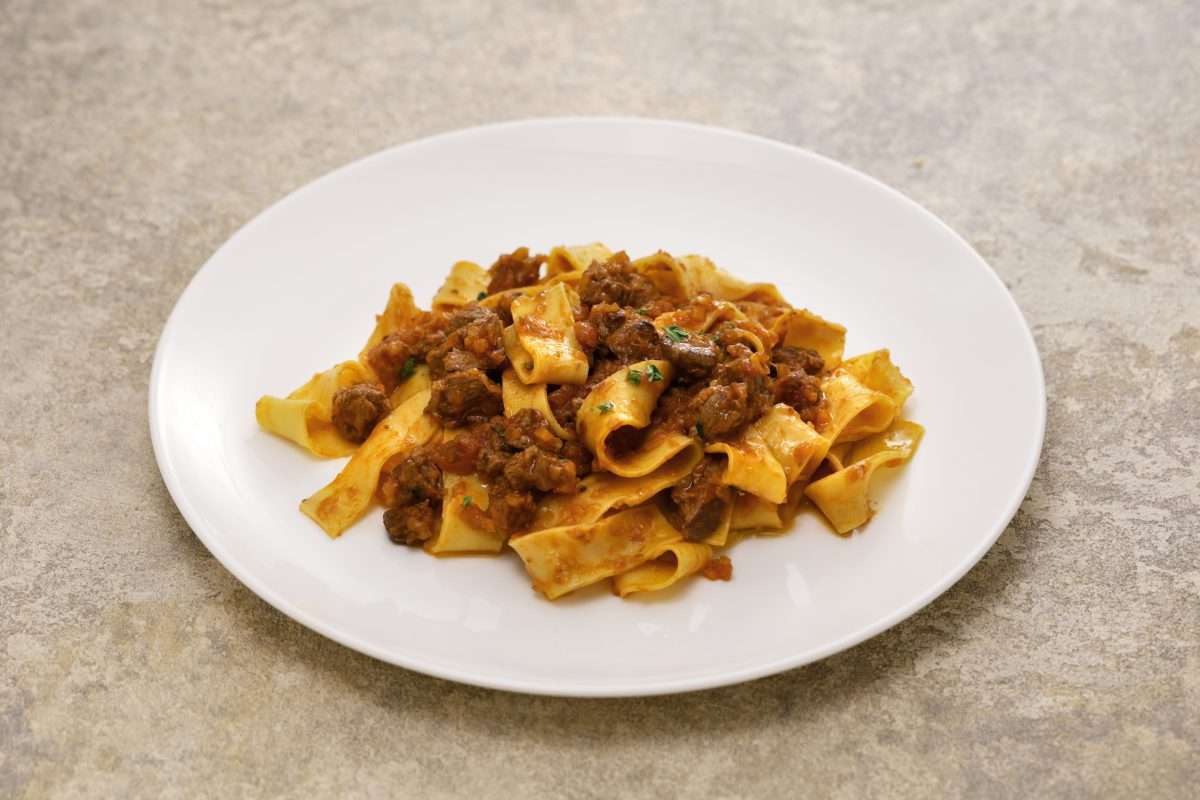
Pappardelle al Cinghiale: Savoring Florence’s Wild Boar Pasta
Florence, the heart of Tuscany, is not only celebrated for its Renaissance art and stunning architecture but also for its rich and flavorful culinary traditions. Among the myriad of delectable dishes that define Florentine cuisine, Pappardelle al Cinghiale stands out as a beloved favorite. This hearty wild boar pasta encapsulates the essence of Tuscan cooking—simple ingredients, robust flavors, and a deep connection to the region’s pastoral heritage. In this article, we will explore the origins, preparation, and cultural significance of Pappardelle al Cinghiale, along with tips on where to savor this exquisite dish in Florence.
The Origins of Pappardelle al Cinghiale
Pappardelle al Cinghiale is a traditional Tuscan dish that has its roots in the rural countryside of Florence. The dish emerged from the need to create hearty meals using available ingredients, particularly wild game like boar, which was abundant in the forests surrounding the region. Boar hunting was a common activity among Tuscan nobility and farmers alike, and the meat became a staple in local kitchens.
The use of wild boar in Tuscan cuisine is deeply intertwined with the concept of cucina povera—the “poor kitchen” philosophy that emphasizes resourcefulness and the utilization of all parts of an ingredient. This approach not only prevents waste but also brings out the rich, earthy flavors inherent in game meat. Over time, Pappardelle al Cinghiale evolved into a beloved dish that highlights the rustic and robust nature of Tuscan culinary traditions.
Key Ingredients and Their Significance
The beauty of Pappardelle al Cinghiale lies in its simplicity and the quality of its ingredients. Each component plays a crucial role in creating the dish’s signature flavor and texture:
- Pappardelle Pasta: Wide, flat ribbons of pasta that are perfect for holding onto the thick, hearty sauce.
- Wild Boar (Cinghiale): The star ingredient, offering a rich and slightly sweet flavor that distinguishes it from other meats.
- Red Wine: Often a robust Tuscan wine like Chianti, used to deglaze the pan and infuse the sauce with depth.
- Tomatoes: Fresh or canned, they provide a tangy base that balances the richness of the meat.
- Garlic and Onions: Aromatics that add layers of flavor to the sauce.
- Herbs: Typically rosemary, thyme, and bay leaves, which complement the gamey taste of the boar.
- Olive Oil: Extra virgin olive oil adds richness and ties all the flavors together.
- Salt and Pepper: Essential seasonings that enhance the overall taste.
Preparing Pappardelle al Cinghiale
Creating Pappardelle al Cinghiale at home involves a slow-cooking process that allows the flavors to meld beautifully. Here’s a simplified recipe to guide you through making this classic Tuscan dish:
Ingredients:
- 400g pappardelle pasta
- 800g wild boar meat, cut into chunks
- 1 bottle (750ml) of Chianti wine
- 2 cans (400g each) of crushed tomatoes
- 2 large onions, finely chopped
- 4 cloves of garlic, minced
- 2 carrots, diced
- 2 celery stalks, diced
- 2 tablespoons tomato paste
- 4 tablespoons extra virgin olive oil
- 2 sprigs fresh rosemary
- 1 teaspoon dried thyme
- 2 bay leaves
- Salt and freshly ground black pepper, to taste
- Grated Parmesan cheese, for serving
Instructions:
- Marinate the Meat: In a large bowl, combine the wild boar chunks with Chianti wine, rosemary, thyme, bay leaves, salt, and pepper. Cover and refrigerate for at least 12 hours to allow the flavors to penetrate the meat.
- Prepare the Sauce:
- Remove the meat from the marinade, reserving the wine. Pat the meat dry with paper towels.
- In a large pot or Dutch oven, heat the olive oil over medium heat.
- Add the chopped onions, carrots, and celery. Sauté until the vegetables are softened and the onions are translucent, about 8-10 minutes.
- Add the minced garlic and cook for another minute until fragrant.
- Stir in the tomato paste and cook for 2 minutes to deepen the flavor.
- Add the wild boar meat to the pot, browning it on all sides.
- Pour in the reserved Chianti marinade and the crushed tomatoes. Bring the mixture to a boil.
- Reduce the heat to low, cover, and let it simmer gently for 2-3 hours, stirring occasionally, until the meat is tender and the sauce has thickened.
- Cook the Pappardelle: In a large pot of salted boiling water, cook the pappardelle according to the package instructions until al dente. Drain the pasta, reserving a cup of the pasta water.
- Combine and Serve:
- Add the cooked pappardelle to the sauce, tossing to coat the pasta evenly. If the sauce is too thick, add some reserved pasta water to achieve the desired consistency.
- Taste and adjust seasoning with additional salt and pepper if needed.
- Serve the Pappardelle al Cinghiale hot, sprinkled with freshly grated Parmesan cheese.
Where to Enjoy Pappardelle al Cinghiale in Florence
Florence boasts numerous restaurants and trattorias where you can savor authentic Pappardelle al Cinghiale. Some of the top spots include:
- Trattoria da Burde: A historic eatery known for its traditional Tuscan dishes, including a standout wild boar pasta.
- Osteria del Cinghiale Bianco: Specializing in game meat, this restaurant offers a rich and flavorful Pappardelle al Cinghiale.
- La Giostra: Renowned for its elegant ambiance and high-quality cuisine, La Giostra serves a memorable version of this classic dish.
- Trattoria Mario: A bustling spot popular among locals, offering hearty portions of wild boar pasta at affordable prices.
The Cultural Significance of Pappardelle al Cinghiale
Pappardelle al Cinghiale is more than just a meal; it represents the deep connection between Tuscany’s people and their land. The use of wild boar reflects the region’s history of hunting and the reliance on game meat as a sustainable food source. This dish embodies the Tuscan philosophy of celebrating robust flavors and hearty ingredients, making it a symbol of the region’s culinary identity.
Moreover, sharing a plate of Pappardelle al Cinghiale fosters a sense of community and tradition, as it is often enjoyed during family gatherings and festive occasions. It highlights the importance of slow cooking and allowing flavors to develop fully, a cornerstone of Italian cooking techniques.
Conclusion
Pappardelle al Cinghiale is a quintessential Florentine dish that captures the heart and soul of Tuscan cuisine. Its rich history, combined with the use of high-quality ingredients and traditional cooking methods, makes it a beloved favorite both in Italy and internationally. Whether you’re dining in a historic Florentine trattoria or preparing it in your own kitchen, savoring this wild boar pasta offers a true taste of Tuscany’s culinary heritage.
Embrace the flavors of Florence by indulging in Pappardelle al Cinghiale, and discover why this legendary steak pasta continues to captivate gourmets around the world.
By exploring and enjoying Pappardelle al Cinghiale, you not only indulge in a delicious meal but also connect with the rich culinary traditions of Florence and Tuscany. Whether you’re a seasoned food enthusiast or a curious traveler, this wild boar pasta offers an authentic and memorable dining experience.