


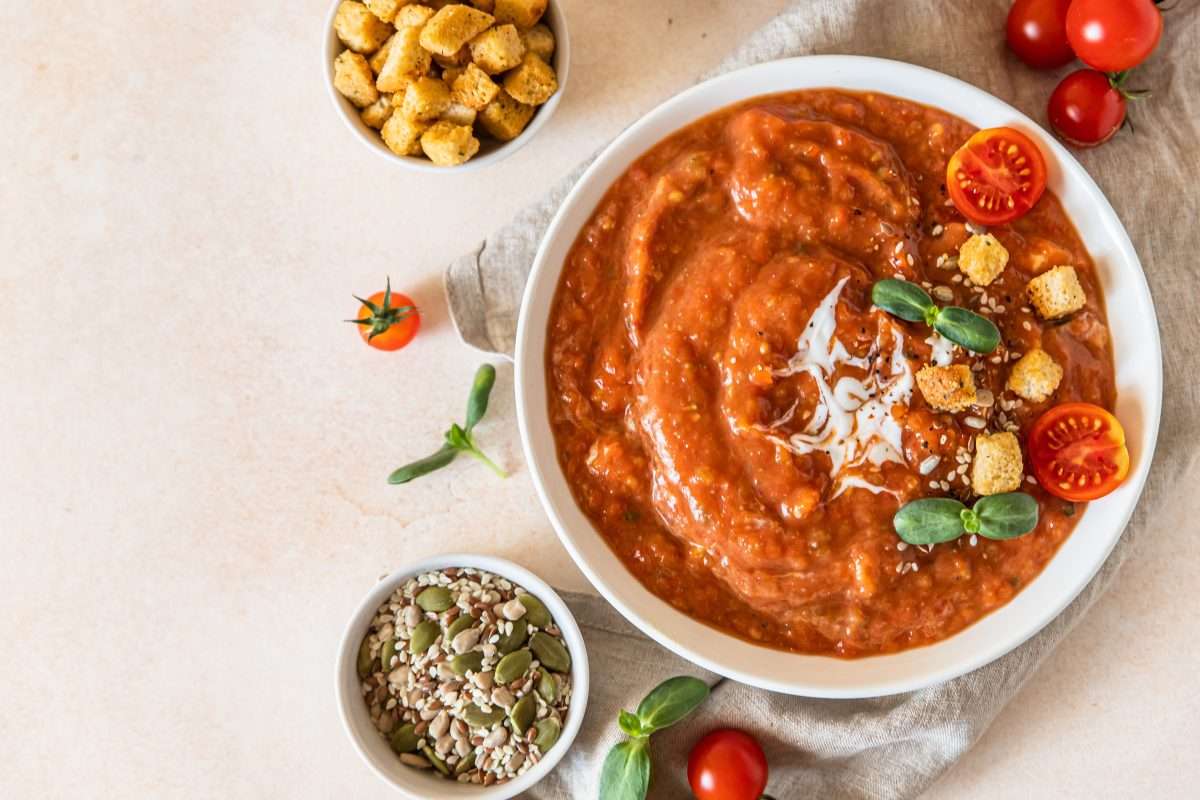
Pappa al Pomodoro: Discovering the Classic Tomato and Bread Soup
Tuscan cuisine, celebrated for its simplicity and robust flavors, offers a variety of hearty and comforting dishes that embody the region’s rich agricultural heritage. Among these, Pappa al Pomodoro stands out as a quintessential Tuscan soup, renowned for its use of fresh, seasonal ingredients and its ability to transform humble components into a delicious and satisfying meal. This classic tomato and bread soup not only warms the soul but also offers a glimpse into the heart of Italian culinary traditions. In this article, we will delve into the history, ingredients, preparation, and cultural significance of Pappa al Pomodoro, guiding you to create and appreciate this beloved Tuscan dish.
The Origins of Pappa al Pomodoro
Pappa al Pomodoro, which translates to “bread and tomato soup” has its roots deeply embedded in the rural kitchens of Tuscany. Originating from the cucina povera, the “poor kitchen” tradition, this dish exemplifies the ingenuity of Tuscan home cooks who made the most of available resources. Traditionally, Pappa al Pomodoro was a way to utilize stale bread and abundant summer tomatoes, turning simple leftovers into a nutritious and flavorful meal.
Historically, this soup was a staple for shepherds and farmers who spent long hours tending to their flocks and fields. The combination of bread and tomatoes provided the necessary sustenance and energy needed for their demanding workdays. Over time, Pappa al Pomodoro evolved, incorporating additional ingredients like garlic, basil, and olive oil, which enhanced its flavor and complexity.
Key Ingredients and Their Significance
The magic of Pappa al Pomodoro lies in its simplicity and the quality of its ingredients. Each component plays a crucial role in creating the soup’s signature taste and texture:
- Tomatoes: Fresh, ripe tomatoes are the star of the dish, providing a sweet and tangy base that is both refreshing and rich in flavor.
- Stale Bread: Typically a rustic Italian bread such as pane toscano or ciabatta, stale bread absorbs the soup’s flavors, creating a thick and hearty consistency.
- Garlic and Onions: These aromatics add depth and sweetness, enhancing the overall flavor profile.
- Basil: Fresh basil leaves infuse the soup with a fragrant aroma and a hint of peppery sweetness.
- Olive Oil: Extra virgin olive oil adds richness and ties all the flavors together, embodying the Tuscan love for high-quality olive oil.
- Vegetable or Chicken Broth: Provides the necessary liquid base, allowing the ingredients to meld and create a harmonious taste.
- Salt and Pepper: Essential seasonings that balance the flavors and enhance the natural sweetness of the tomatoes.
How to Prepare Pappa al Pomodoro
Creating an authentic Pappa al Pomodoro is a straightforward process that emphasizes slow cooking and the melding of flavors. Here is a traditional recipe to help you prepare this classic Tuscan soup at home:
Ingredients:
- 4 cups ripe tomatoes, peeled and chopped (or 2 cans of crushed tomatoes)
- 2 cups stale Italian bread, cut into cubes
- 1 large onion, finely chopped
- 3 cloves garlic, minced
- 1/4 cup fresh basil leaves, torn
- 4 cups vegetable or chicken broth
- 1/4 cup extra virgin olive oil
- Salt and freshly ground black pepper, to taste
- Optional: A splash of red wine or a sprinkle of grated Parmesan cheese for serving
Instructions:
1. Sauté the Aromatics:
- In a large pot, heat the extra virgin olive oil over medium heat.
- Add the finely chopped onion and sauté until translucent, about 5-7 minutes.
- Add the minced garlic and cook for another 1-2 minutes, ensuring the garlic does not burn.
2. Add the Tomatoes:
- Stir in the chopped tomatoes (or crushed tomatoes) and cook for about 10 minutes, allowing the tomatoes to break down and release their juices.
3. Incorporate the Bread:
- Add the stale bread cubes to the pot, stirring to combine them with the tomato mixture.
- Pour in the vegetable or chicken broth, ensuring the bread is fully submerged.
4. Simmer the Soup:
- Bring the mixture to a gentle boil, then reduce the heat to low.
- Cover the pot and let it simmer for about 30-40 minutes, stirring occasionally to prevent sticking. The bread will soften and begin to break down, thickening the soup.
5. Blend for Creaminess:
- For a smoother texture, use an immersion blender to partially blend the soup directly in the pot. Alternatively, transfer a portion of the soup to a blender, blend until smooth, and return it to the pot.
- Stir in the torn fresh basil leaves and season with salt and freshly ground black pepper to taste.
6. Serve:
- Ladle the Pappa al Pomodoro into bowls.
- Optionally, drizzle with a bit more extra virgin olive oil, add a splash of red wine, or sprinkle with grated Parmesan cheese.
- Serve warm with a side of crusty bread for dipping.
Variations of Pappa al Pomodoro
While the classic recipe is beloved, there are numerous variations of Pappa al Pomodoro that showcase Tuscany’s culinary diversity:
- Additions of Vegetables: Incorporate zucchini, carrots, or celery for added texture and nutrition.
- Use of Red Wine: A splash of red wine can deepen the soup’s flavor, making it richer and more complex.
- Incorporation of Herbs: Fresh thyme or oregano can be added alongside basil for a different herbal note.
- Creamy Version: Stir in a bit of cream or mascarpone cheese for a silkier texture.
Cultural Significance of Pappa al Pomodoro
Pappa al Pomodoro is more than just a soup; it is a reflection of Tuscany’s cucina povera philosophy, which emphasizes the use of simple, high-quality ingredients to create nourishing and flavorful meals. This dish embodies the Tuscan spirit of resourcefulness and the ability to transform basic staples into something extraordinary.
In Tuscany, Pappa al Pomodoro is often enjoyed as a main course during the warm summer months when tomatoes are in peak season. It is a beloved dish in both homes and traditional trattorias, celebrated for its comforting qualities and vibrant flavors.
Moreover, Pappa al Pomodoro plays a role in fostering community and family bonds. Preparing and sharing this soup is a way for Tuscan families to come together, celebrate the season’s bounty, and pass down culinary traditions from one generation to the next.
Where to Enjoy Pappa al Pomodoro in Tuscany
While making Pappa al Pomodoro at home is a rewarding experience, savoring it in its place of origin adds an extra layer of authenticity and enjoyment. Here are some recommended spots to try this classic Tuscan soup:
- Trattoria da Burde in Florence: Known for its traditional Tuscan dishes, including a superb Pappa al Pomodoro.
- Osteria Le Logge in Siena: Offers a delightful rendition of the soup, perfect for warming up after exploring the historic city.
- La Buca delle Fate in Pienza: A cozy eatery where the soup is made with fresh, local ingredients.
- Ristorante La Cantina del Gallo Nero in San Gimignano: Combines rustic charm with exquisite flavors in their Pappa al Pomodoro.
Pairing Suggestions
To enhance your Pappa al Pomodoro experience, consider these pairing ideas:
- Wine: A glass of Chianti or another Tuscan red wine complements the soup’s robust flavors.
- Side Dishes: Serve with a simple arugula salad dressed with olive oil and balsamic vinegar to add a fresh contrast.
- Bread: A slice of crusty Tuscan bread or focaccia is perfect for dipping into the flavorful broth.
Tips for Making the Perfect Pappa al Pomodoro
- Use Fresh, Ripe Tomatoes: The quality of tomatoes significantly impacts the soup’s flavor. Opt for vine-ripened tomatoes or high-quality canned tomatoes.
- Stale Bread: Using day-old or slightly stale bread helps achieve the desired thick and hearty consistency.
- Slow Cooking: Allow the soup to simmer slowly to let the flavors develop fully.
- Adjust Consistency: If the soup is too thick, add more broth or water until you reach the preferred consistency.
Conclusion
Pappa al Pomodoro is a shining example of Tuscany’s ability to create delicious and comforting dishes from simple ingredients. This classic tomato and bread soup not only nourishes the body but also celebrates the region’s rich agricultural heritage and culinary traditions. Whether you’re a seasoned cook looking to explore traditional Italian recipes or a traveler eager to taste authentic Tuscan cuisine, Pappa al Pomodoro offers a delightful and satisfying experience.
By understanding its history, mastering the preparation, and appreciating its cultural significance, you can fully embrace the essence of Tuscan cuisine through this beloved soup. So, gather your ingredients, take a culinary journey to Tuscany, and savor the timeless flavors of Pappa al Pomodoro.
Whether you’re seeking to recreate this classic soup at home or looking to explore Tuscan culinary traditions, Pappa al Pomodoro is a delightful dish that offers both comfort and a taste of Italy’s rich gastronomic heritage.