


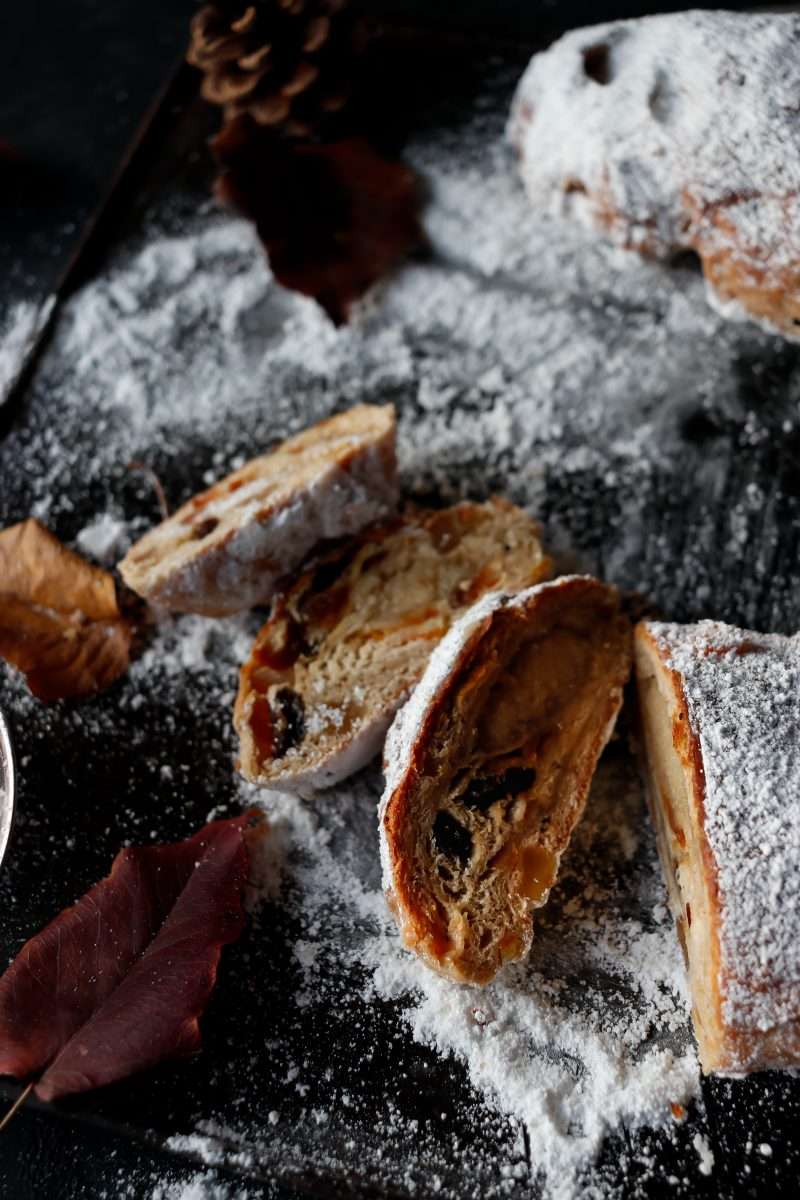
Panforte and Ricciarelli: Florence’s Historic Sweets Uncovered
Florence, the cultural heart of Tuscany, is not only celebrated for its Renaissance art, stunning architecture, and picturesque landscapes but also for its rich and delectable culinary traditions. Among the myriad of Florentine desserts, Panforte and Ricciarelli stand out as historic sweets that have delighted locals and food enthusiasts around the world for centuries. These traditional confections embody the essence of Tuscan cuisine, showcasing the region’s commitment to high-quality ingredients and time-honored recipes. In this article, we will delve into the history, ingredients, preparation, and cultural significance of Panforte and Ricciarelli, uncovering why these sweets remain beloved staples in Florence’s vibrant food scene.
The Origins of Panforte
Panforte is one of Tuscany’s most iconic and enduring desserts, with roots tracing back to the medieval era. Originating from the town of Siena, Panforte’s name translates to “strong bread,” a nod to its dense and fortified nature. This rich, spiced cake was traditionally crafted by bakers seeking to create a durable treat that could be easily transported and stored, making it ideal for festive occasions and pilgrimages.
Historically, Panforte was a luxurious indulgence reserved for the wealthy, often associated with religious festivals and celebrations. Its ingredients, such as honey, nuts, and dried fruits, were considered premium and were meticulously sourced. Over time, Panforte became a symbol of Tuscan craftsmanship and culinary excellence, its recipe passed down through generations, each adding their unique touch while maintaining the cake’s traditional essence.
Key Ingredients of Panforte
The allure of Panforte lies in its harmonious blend of flavors and textures, achieved through a combination of high-quality, natural ingredients:
- Honey: Provides natural sweetness and moisture, giving Panforte its signature rich flavor.
- Almonds and Candied Fruits: These add crunch and bursts of sweetness, creating a delightful contrast to the soft cake base.
- Spices: Cinnamon, nutmeg, and cloves infuse the cake with warm, aromatic notes that define its distinctive taste.
- Flour: A combination of wheat flour and almond flour ensures a dense yet tender texture.
- Dark Chocolate: Some variations include dark chocolate, adding depth and complexity to the flavor profile.
- Raisins and Cherries: These dried fruits contribute to the cake’s chewy texture and enhance its sweetness.
- Brandy or Marsala Wine: A splash of alcohol helps to meld the flavors and adds a subtle warmth to the cake.
The Art of Preparing Panforte
Crafting authentic Panforte is a meticulous process that requires patience and precision. Here is a traditional recipe to guide you through preparing this historic Tuscan delight at home:
Ingredients:
- 300g honey
- 200g dark brown sugar
- 150ml brandy or Marsala wine
- 400g almonds, toasted and chopped
- 200g candied citrus peel, chopped
- 100g raisins
- 100g dried cherries
- 2 teaspoons ground cinnamon
- 1 teaspoon ground nutmeg
- 1/2 teaspoon ground cloves
- 400g all-purpose flour
- 2 teaspoons baking powder
- 50g dark chocolate, melted
Instructions:
1. Prepare the Honey Mixture:
- In a large saucepan, combine the honey, brown sugar, and brandy. Heat over medium heat, stirring until the sugar dissolves and the mixture becomes smooth.
- Remove from heat and let it cool slightly.
2. Mix the Dry Ingredients:
- In a separate bowl, whisk together the flour, baking powder, cinnamon, nutmeg, and cloves.
3. Combine Ingredients:
- Gradually add the honey mixture to the dry ingredients, stirring continuously until a thick batter forms.
- Fold in the toasted almonds, candied citrus peel, raisins, and cherries until evenly distributed.
4. Add Chocolate:
- Pour the melted dark chocolate into the batter, mixing thoroughly to incorporate.
5. Bake the Panforte:
- Preheat your oven to 150°C (300°F).
- Line a baking tin with parchment paper and spread the batter evenly.
- Bake for about 2 hours, or until the Panforte is firm and slightly cracked on the surface.
6. Cool and Serve:
- Allow the Panforte to cool completely in the tin before slicing into thin wedges.
- Serve with a glass of Vin Santo or your favorite Tuscan wine for an authentic experience.
Discovering Ricciarelli: Florence’s Almond Cookies
While Panforte offers a rich and spiced flavor, Ricciarelli provides a delightful contrast with its soft, chewy texture and sweet almond essence. Originating from the town of Siena, Ricciarelli are traditional Tuscan almond cookies that have found their way into the hearts of Florentine locals and international visitors alike.
The History of Ricciarelli
Ricciarelli have a storied history, believed to have been crafted by nuns in Siena who sought to create a luxurious treat using leftover ingredients. These cookies were traditionally prepared for special occasions and religious festivals, celebrated for their delicate flavor and satisfying texture. Over time, Ricciarelli became a staple in Tuscan bakeries, with Florence embracing them as part of its cherished dessert repertoire.
Key Ingredients of Ricciarelli
The simplicity of Ricciarelli belies the depth of flavor achieved through quality ingredients:
- Almonds: Ground almonds are the cornerstone of Ricciarelli, providing a rich, nutty flavor and tender crumb.
- Egg Whites: These contribute to the cookies’ light and airy texture.
- Sugar: Adds sweetness without overpowering the almond flavor.
- Powdered Sugar: Coats the cookies, giving them a sweet, delicate exterior.
- Vanilla Extract: Enhances the overall flavor profile with its subtle aroma.
How to Make Ricciarelli
Creating authentic Ricciarelli is a straightforward process that results in irresistibly soft and sweet almond cookies. Here’s a traditional recipe to try at home:
Ingredients:
- 200g ground almonds
- 100g granulated sugar
- 2 egg whites
- 1 teaspoon vanilla extract
- Pinch of salt
- Powdered sugar, for coating
Instructions:
1. Prepare the Dough:
- In a large bowl, combine the ground almonds and granulated sugar.
- In a separate bowl, whisk the egg whites with the vanilla extract and a pinch of salt until frothy.
- Gently fold the egg white mixture into the almond mixture until a smooth dough forms.
2. Shape the Cookies:
- Preheat your oven to 150°C (300°F).
- Line a baking sheet with parchment paper.
- Roll the dough into small balls, approximately the size of a walnut, and place them on the prepared baking sheet.
- Gently flatten each ball with the back of a fork or your fingers.
3. Bake the Ricciarelli:
- Bake in the preheated oven for about 20-25 minutes, or until the edges are lightly golden and the centers are set but still soft.
4. Cool and Coat:
- Allow the cookies to cool completely on a wire rack.
- Once cooled, toss the Ricciarelli in powdered sugar until evenly coated.
5. Serve:
- Enjoy Ricciarelli with a cup of coffee or tea, or as a sweet treat alongside your favorite Tuscan wine.
The Cultural Significance of Panforte and Ricciarelli
Both Panforte and Ricciarelli are more than just desserts; they are integral parts of Tuscany’s culinary identity. These sweets reflect the region’s agricultural heritage, showcasing the use of local ingredients like chestnuts and almonds. They also embody the Tuscan principles of cucina povera, where simplicity and quality are paramount.
In Florence, these desserts are often enjoyed during festive seasons, family gatherings, and social events, fostering a sense of community and tradition. Their enduring popularity both within Tuscany and internationally highlights their universal appeal and the timeless nature of Tuscan flavors.
Where to Taste Panforte and Ricciarelli in Florence
While making Panforte and Ricciarelli at home is a delightful experience, savoring them in their place of origin adds an extra layer of authenticity and enjoyment. Here are some renowned spots in Florence where you can indulge in these historic sweets:
1. Caffè Gilli
One of Florence’s oldest cafes, Caffè Gilli is famous for its exquisite pastries, including beautifully crafted Panforte and Ricciarelli. The elegant ambiance and rich history make it a perfect spot to enjoy these traditional desserts.
2. La Buca delle Fate
Located near the Ponte Vecchio, La Buca delle Fate offers a delightful selection of Tuscan sweets, with Panforte and Ricciarelli being standout offerings. Their commitment to using high-quality ingredients ensures an authentic taste experience.
3. Trattoria Mario
A bustling family-run restaurant, Trattoria Mario is beloved for its hearty Tuscan dishes and delectable desserts. Their Panforte is particularly renowned for its rich flavor and perfect texture.
4. Pasticceria Nannini
Known for its wide array of sweets, Pasticceria Nannini offers a fantastic selection of Ricciarelli and Panforte. Their artisanal approach and attention to detail make their desserts a must-try for anyone visiting Florence.
Tips for Enjoying Panforte and Ricciarelli
To fully appreciate the flavors and textures of Panforte and Ricciarelli, consider the following tips:
1. Pair with Local Wines
- Panforte pairs beautifully with Vin Santo, a sweet Tuscan dessert wine, enhancing its rich and spiced flavors.
- Ricciarelli are delightful with a glass of Moscato or a sweet Vino Nobile di Montepulciano, complementing their sweet and nutty profile.
2. Store Properly
- Store Panforte in an airtight container at room temperature to maintain its moisture and flavor.
- Keep Ricciarelli in a cool, dry place, and avoid storing them near strong odors as the cookies can absorb flavors easily.
3. Serve at Room Temperature
- Allow both desserts to come to room temperature before serving to fully enjoy their flavors and textures.
4. Experiment with Toppings
- Enhance your Ricciarelli by adding a drizzle of honey or a sprinkle of extra chopped almonds for added texture and sweetness.
5. Enjoy Freshly Baked
- For the best taste, try to enjoy Panforte and Ricciarelli soon after baking. Freshly baked pastries have superior flavor and texture compared to those stored for extended periods.
Conclusion
Panforte and Ricciarelli are quintessential Florentine desserts that beautifully capture the essence of Tuscan cuisine. Their rich history, simple yet high-quality ingredients, and the care taken in their preparation make them standout sweets that continue to delight both locals and international visitors. Whether you’re indulging in these treats at a historic Florentine cafe or crafting them in your own kitchen, Panforte and Ricciarelli offer a delicious and authentic taste of Florence’s enduring culinary heritage.
Embrace the tradition and flavor of Panforte and Ricciarelli, and discover why these historic sweets remain beloved staples in Florence’s vibrant food scene. With their harmonious blend of textures and flavors, these desserts not only satisfy the sweet tooth but also provide a deep connection to Tuscany’s rich gastronomic legacy.