


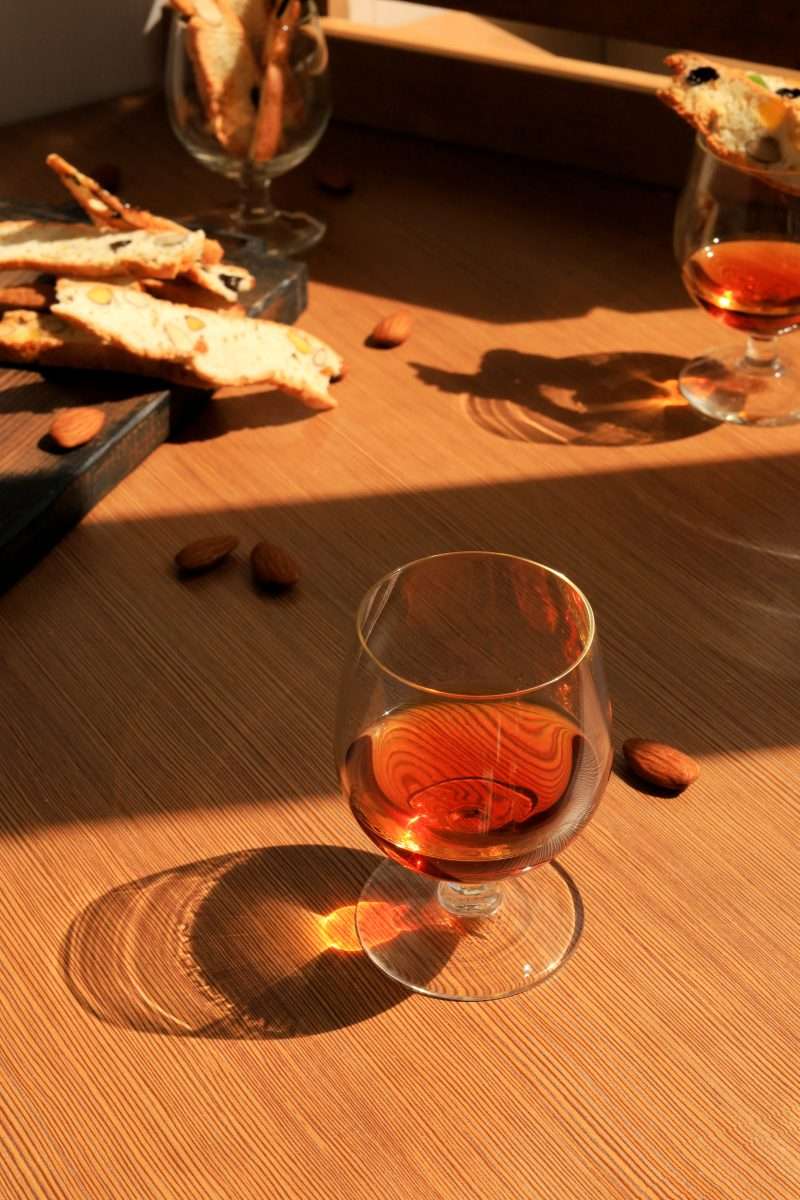
Exploring Vin Santo: Florence’s Revered Dessert Wine
Florence, the vibrant heart of Tuscany, is not only celebrated for its Renaissance art, stunning architecture, and picturesque landscapes but also for its rich and diverse wine heritage. Among its esteemed offerings, Vin Santo stands out as a revered dessert wine that has captivated both locals and wine enthusiasts worldwide. This traditional Tuscan wine embodies the region’s commitment to quality, tradition, and craftsmanship. In this article, we will explore the history, production, tasting notes, food pairings, and cultural significance of Vin Santo, shedding light on why it remains a beloved staple in Florence’s vibrant culinary scene.
The History of Vin Santo
Vin Santo, meaning “Holy Wine,” has a storied history that dates back centuries in Tuscany. Its origins are intertwined with religious and agricultural practices, reflecting the deep-rooted traditions of the region. Historically, Vin Santo was produced by monasteries as a sacred wine for religious ceremonies and celebrations. Over time, its production spread to rural Tuscan households, where farmers sought to create a sweet, long-lasting wine using leftover grapes.
The traditional method of making Vin Santo involves drying grapes on straw mats or hanging them in well-ventilated rooms, a process known as appassimento. This drying concentrates the sugars and flavors in the grapes, resulting in a rich and complex wine. The practice of drying grapes not only maximizes the yield from each harvest but also preserves the fruit for extended periods, ensuring a consistent supply of high-quality grapes for wine production.
The Production Process of Vin Santo
The creation of Vin Santo is a meticulous process that highlights the artistry and dedication of Tuscan winemakers. Here’s a step-by-step overview of how this esteemed dessert wine is crafted:
1. Grape Selection
- Varieties: The primary grape varieties used in Vin Santo are Trebbiano and Malvasia. These grapes are chosen for their high acidity and ability to retain flavor after drying.
- Harvesting: Grapes are harvested later in the season to ensure optimal sugar concentration, which is essential for producing a sweet wine.
2. Drying (Appassimento)
- Traditional Methods: Grapes are spread out on straw mats or hung in well-ventilated rooms to dry for several weeks. This process reduces the water content, concentrating the sugars and flavors.
- Modern Techniques: Some winemakers use controlled drying environments to maintain consistency and prevent spoilage.
3. Fermentation
- Pressing: After drying, the grapes are pressed to extract the concentrated must (juice).
- Fermentation: The must is fermented slowly, often in small barrels, to develop the wine’s characteristic sweetness and complexity.
4. Aging
- Barrel Aging: Vin Santo is typically aged in small oak barrels, which impart subtle woody and nutty flavors to the wine.
- Duration: The aging process can range from several years to decades, allowing the wine to develop deep, rich flavors and a velvety texture.
5. Bottling
- Traditional Bottles: Vin Santo is often bottled in small, distinctive bottles with elongated necks, a tradition that dates back centuries.
- Sealing: The bottles are sealed with natural corks to preserve the wine’s integrity and flavor.
Tasting Notes: What to Expect from Vin Santo
Vin Santo is celebrated for its rich, sweet flavor profile and complex aromas. Here’s what you can expect when tasting this exquisite dessert wine:
Aromas
- Nuts: Almonds and hazelnuts are prominent, reflecting the wine’s long aging process.
- Dried Fruits: Notes of raisins, figs, and apricots add depth and sweetness.
- Spices: Hints of vanilla, cinnamon, and cloves contribute to the wine’s warm, inviting character.
Flavors
- Sweetness: A balanced sweetness with high acidity ensures the wine is not overly cloying.
- Fruity: Rich flavors of dried cherries, dates, and prunes mingle with the nutty undertones.
- Complexity: Layers of flavors develop on the palate, offering a smooth, lingering finish.
Texture
- Full-Bodied: Vin Santo is typically full-bodied, with a velvety mouthfeel that enhances its luxurious character.
- Balanced Acidity: The high acidity from the grapes provides a refreshing balance to the sweetness.
Perfect Food Pairings for Vin Santo
Vin Santo is a versatile dessert wine that pairs beautifully with a variety of traditional Tuscan dishes. Here are some ideal pairings to enhance your culinary experience:
1. Cantucci (Cantuccini)
- These crunchy almond biscuits are a classic pairing with Vin Santo. Dip the biscotti into the wine to soften the cookies and meld the flavors.
2. Ricciarelli
- Soft, chewy almond cookies from Siena, Ricciarelli, complement the nutty and sweet notes of Vin Santo perfectly.
3. Panforte
- This rich, spiced cake made with nuts, dried fruits, and honey pairs excellently with the complex flavors of Vin Santo.
4. Soft Cheeses
- Mild cheeses like Pecorino or Brie enhance the wine’s creamy texture and balance its sweetness.
5. Chocolate Desserts
- Dark chocolate or chocolate-based desserts provide a delightful contrast to the wine’s sweetness, creating a harmonious flavor balance.
Where to Enjoy Vin Santo in Florence
To truly appreciate the depth and richness of Vin Santo, experiencing it in Florence’s renowned wine bars and traditional trattorias is essential. Here are some top spots to savor this esteemed dessert wine:
1. Enoteca Pitti Gola e Cantina
- Located near the Pitti Palace, this enoteca offers an extensive selection of Tuscan wines, including some of the finest Vin Santo. Enjoy a glass alongside traditional Florentine appetizers.
2. Trattoria Mario
- A bustling, family-run trattoria known for its authentic Tuscan cuisine. Their Vin Santo is paired with classic dishes like Crostini Toscani and Ribollita.
3. Caffè Gilli
- One of Florence’s oldest cafes, Caffè Gilli is famous for its exquisite pastries and impressive wine list. Indulge in a glass of Vin Santo with a selection of traditional Italian sweets.
4. Osteria All’Antico Vinaio
- Renowned for its delectable sandwiches, Osteria All’Antico Vinaio also offers excellent Vin Santo options, perfect for a sweet finish to your meal.
Tips for Selecting and Serving Vin Santo
To make the most of your Vin Santo experience, consider the following tips:
1. Choose High-Quality Vin Santo
- Look for reputable producers known for their craftsmanship and quality. Wines aged longer tend to have more complex flavors.
2. Serve at the Right Temperature
- Vin Santo is best served slightly chilled, around 10-12°C (50-54°F), to enhance its refreshing acidity and layered flavors.
3. Proper Storage
- Store Vin Santo in a cool, dark place with the bottles lying on their sides to keep the cork moist and preserve the wine’s integrity.
4. Experiment with Pairings
- Don’t hesitate to try different food pairings to discover how Vin Santo complements various flavors and textures.
5. Enjoy with Friends and Family
- Vin Santo is best enjoyed in good company, enhancing the communal and celebratory aspects of Tuscan dining traditions.
Conclusion
Vin Santo is a quintessential element of Florentine cuisine, embodying the region’s rich culinary traditions and dedication to quality. Its complex flavors, rich history, and versatile pairings make it a beloved dessert wine that continues to enchant foreign palates and wine aficionados alike. Whether you’re enjoying a glass in a historic enoteca, pairing it with traditional Tuscan sweets, or savoring it at home, Vin Santo offers a luxurious and authentic taste of Florence’s enduring gastronomic heritage.
Embrace the elegance and depth of Vin Santo, and discover why this traditional Tuscan dessert wine remains a cornerstone of Florence’s vibrant food and wine culture. With each sip, you’ll experience the harmonious blend of tradition, craftsmanship, and exquisite flavor that defines Tuscany’s most revered dessert wine.