


History and Origins of Mercato di Sant’Ambrogio, Florence’s Oldest Market Since 1873
Florence, the heart of Tuscany, is renowned for its Renaissance art, stunning architecture, and vibrant cultural scene. Amidst its historical landmarks and bustling streets lies the Mercato di Sant’Ambrogio, the oldest market in Florence since 1873. This historic market not only serves as a vital hub for locals and tourists alike but also embodies the enduring spirit and rich heritage of Florentine commerce and cuisine. In this article, we explore the history and origins of Mercato di Sant’Ambrogio, delving into its establishment, architectural significance, and its pivotal role in Florence’s social and economic life.
The Establishment of Mercato di Sant’Ambrogio
The Mercato di Sant’Ambrogio was officially established in 1873, although its roots can be traced back even further to the medieval period. Florence’s longstanding tradition of marketplaces began in the early Middle Ages, where open-air markets were held near churches and town squares. These markets were essential for trade, allowing farmers, artisans, and merchants to sell their goods directly to the public.
The decision to formalize the Mercato di Sant’Ambrogio in 1873 was part of a broader initiative to modernize Florence’s infrastructure during the post-unification period of Italy. The new market was strategically located near the Sant’Ambrogio Church, one of Florence’s oldest and most significant religious sites, providing a central and accessible location for the bustling market activities.
Architectural Significance
One of the defining features of the Mercato di Sant’Ambrogio is its distinctive architecture, which blends historical elements with practical design to create a functional and inviting space. The market building showcases a combination of 19th-century ironwork and glass structures, allowing ample natural light to illuminate the vibrant stalls below. This architectural style not only enhances the aesthetic appeal of the market but also ensures a comfortable environment for shoppers and vendors throughout the year.
Over the years, the market has undergone several renovations to accommodate the growing number of visitors and to incorporate modern amenities while preserving its historical charm. These renovations have maintained the market’s traditional layout, with designated areas for fresh produce, meats, cheeses, and other local specialties, ensuring that the Mercato di Sant’Ambrogio remains a true reflection of Florence’s culinary heritage.
Role in Florentine Life
The Mercato di Sant’Ambrogio plays a crucial role in the daily lives of Florence’s residents. It serves as a primary source of fresh, high-quality ingredients for local households and restaurants, supporting the region’s renowned culinary scene. The market is divided into several sections, each dedicated to specific types of goods:
Fresh Produce
The fresh produce section is a vibrant display of seasonal fruits and vegetables, sourced from local farms. Visitors can find everything from crisp apples and juicy tomatoes to leafy greens and fragrant herbs, all reflecting the best of Tuscan agriculture.
Meat and Cheese
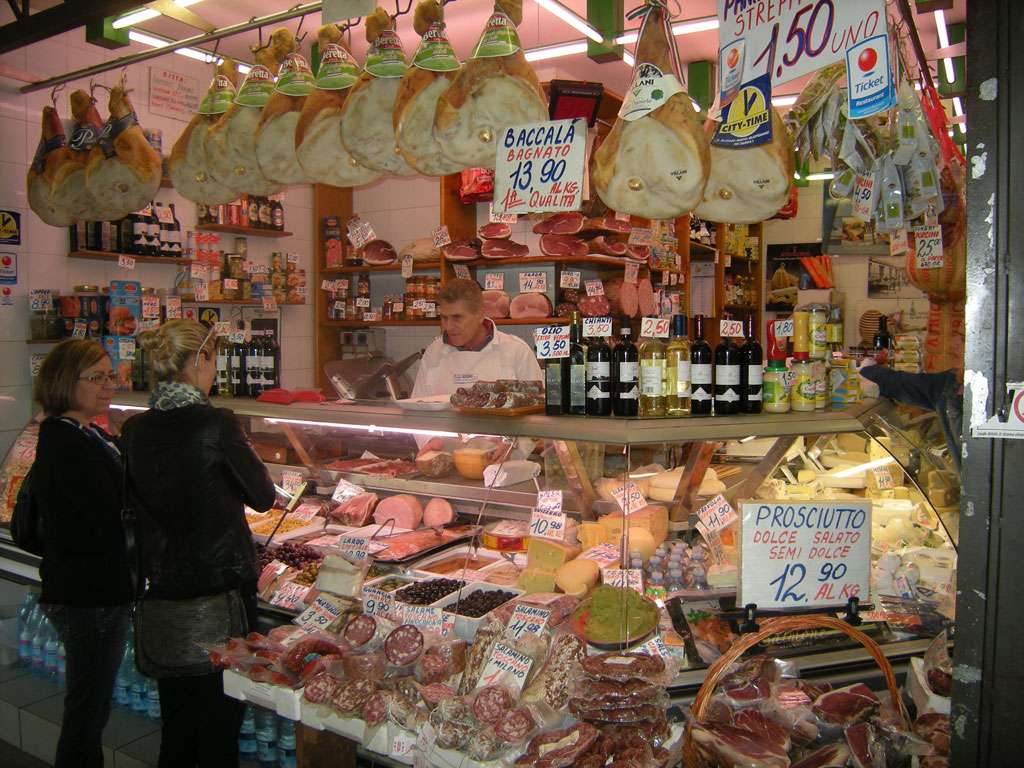
Florence is famous for its delicious meats and artisanal cheeses, and the Mercato di Sant’Ambrogio is the perfect place to explore these specialties. Butchers offer a variety of cuts, including the prized Bistecca alla Fiorentina, while cheese vendors showcase a range of Tuscan cheeses like Pecorino and Ricotta.
Bakery and Confectionery
The market’s bakery section is a haven for bread lovers, featuring freshly baked loaves, pastries, and traditional Tuscan treats. From crostini to sweet cantucci, the bakery stalls offer a delightful array of options to satisfy any palate.
Local Specialties
In addition to everyday essentials, the Mercato di Sant’Ambrogio hosts vendors selling unique Tuscan specialties such as olive oil, vinegar, and seasonal preserves. These items highlight the region’s rich culinary traditions and offer visitors a taste of authentic Tuscan flavors.
Evolution Over Time
Since its establishment in 1873, the Mercato di Sant’Ambrogio has continuously evolved to meet the changing needs of Florence’s population. The market has expanded its offerings to include a wider variety of products, incorporating both traditional and contemporary goods. Modern additions such as international cuisine stalls and gourmet food sections have made the market a dynamic and diverse shopping destination.
Moreover, the rise of food tourism has transformed the Mercato di Sant’Ambrogio into a popular attraction for visitors seeking to experience authentic Florentine cuisine firsthand. Guided tours and culinary workshops held within the market provide an immersive experience, allowing tourists to learn about Tuscan food traditions and sample a wide array of local delicacies.
Cultural Significance
The Mercato di Sant’Ambrogio is not just a place to buy groceries; it is a cultural institution that embodies the spirit of Florence. The market fosters a sense of community, bringing together people from all walks of life to engage in the shared experience of shopping, socializing, and celebrating Tuscan culture.
Festivals and Events
Throughout the year, the market hosts various festivals and events that celebrate Florence’s culinary and cultural heritage. Seasonal festivals, such as the Autumn Grape Festival, feature special products, live music, and traditional performances, enhancing the vibrant atmosphere of the market and attracting visitors from near and far.
Preservation of Tradition
The market plays a vital role in preserving and promoting traditional Tuscan recipes and cooking techniques. By providing a platform for local artisans and farmers, the Mercato di Sant’Ambrogio ensures that age-old culinary practices are maintained and passed down to future generations. This dedication to tradition helps sustain Florence’s reputation as a culinary capital and preserves the region’s rich gastronomic legacy.
Present-Day Mercato di Sant’Ambrogio
Today, the Mercato di Sant’Ambrogio remains a beloved landmark in Florence, seamlessly blending its historical roots with modern-day conveniences. It continues to attract a diverse clientele, including local residents, tourists, and food enthusiasts eager to explore the market’s offerings.
Sustainable Practices
In recent years, the market has embraced sustainable practices, aligning with global trends towards eco-friendly and ethical consumption. Initiatives such as reducing plastic usage, promoting organic produce, and supporting local farmers are integral to Sant’Ambrogio’s operations. These efforts not only contribute to environmental sustainability but also reinforce the market’s commitment to quality and community support.
Digital Integration
To cater to the evolving needs of consumers, the Mercato di Sant’Ambrogio has integrated digital solutions into its operations. Online platforms for ordering fresh produce and pre-booking food stalls have enhanced the shopping experience, making it more convenient for visitors to access the market’s offerings. This digital transformation has helped Sant’Ambrogio stay relevant in the modern era, attracting a tech-savvy audience while maintaining its traditional charm.
Tips for Visiting Mercato di Sant’Ambrogio
To make the most of your visit to the Mercato di Sant’Ambrogio, consider the following tips:
1. Visit Early
Arrive early in the morning to experience the market at its liveliest and to have the best selection of fresh produce and goods.
2. Bring Cash
While many vendors accept credit cards, some may only take cash. Bringing euros ensures you can purchase items without any inconvenience.
3. Explore All Sections
Take the time to explore each section of the market, from fresh produce to artisanal specialties, to fully appreciate the diversity of offerings.
4. Sample Local Foods
Don’t hesitate to sample the delicious Tuscan specialties available at various stalls. It’s a great way to experience authentic flavors and discover new favorites.
5. Engage with Vendors
Talk to the vendors to learn more about the products and the stories behind them. This interaction can enhance your understanding and appreciation of Tuscan cuisine.
Therefore…
The Mercato di Sant’Ambrogio stands as a testament to Florence’s enduring culinary and cultural traditions. As the oldest market in the city since 1873, it has played a pivotal role in shaping Florentine gastronomy and fostering a sense of community among its residents. From its historical architecture and diverse product offerings to its vibrant cultural events, the market encapsulates the essence of Tuscan life.
Whether you’re a local resident seeking fresh ingredients, a tourist eager to explore authentic Tuscan flavors, or a food enthusiast looking to immerse yourself in Florence’s rich culinary heritage, the Mercato di Sant’Ambrogio offers an unparalleled experience. Embrace the history, savor the flavors, and discover why this historic market remains a beloved cornerstone of Florence’s dynamic and vibrant culture.