


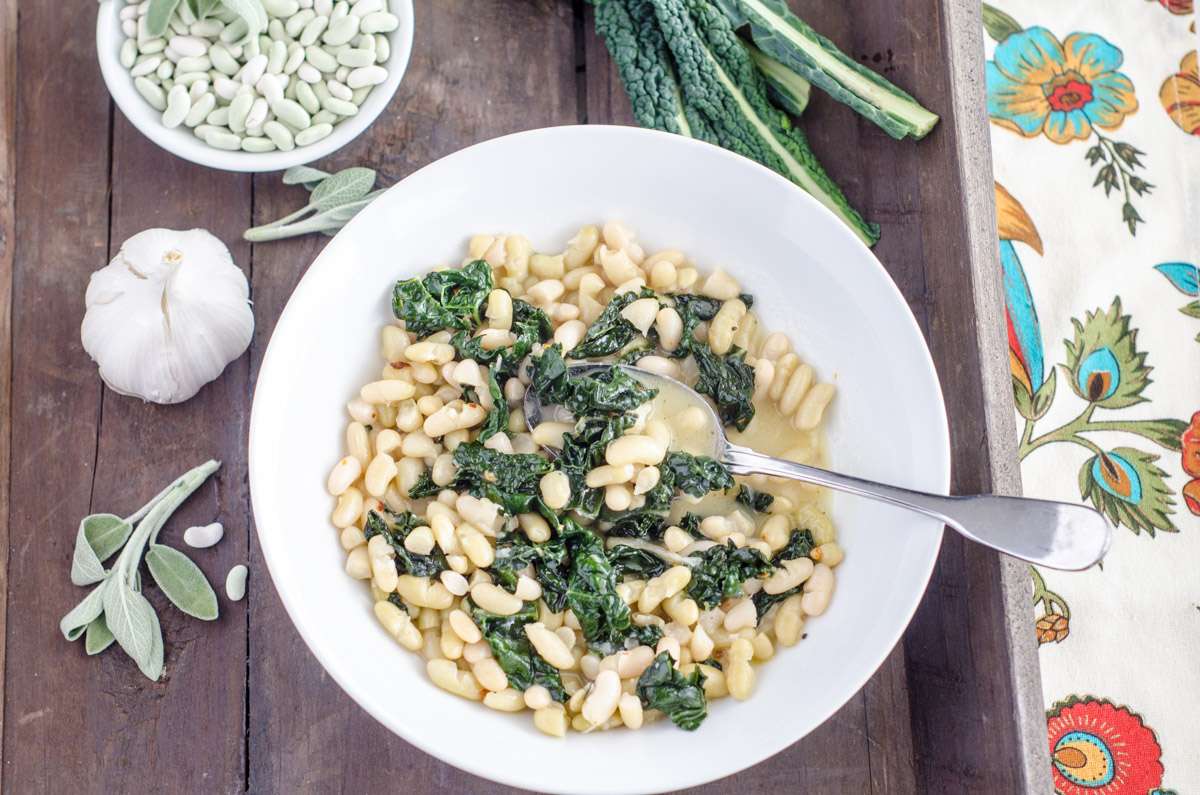
Tuscan Kale and White Beans: A Staple of Florentine Tables
Tuscany, is celebrated worldwide for its stunning landscapes, Renaissance art, and, importantly, its rich culinary traditions. Among the myriad of delicious dishes that grace Florentine tables, Tuscan kale and white beans stand out as a quintessential Florentine staple. This hearty and nutritious combination not only reflects the region’s agricultural heritage but also embodies the simplicity and robustness that characterize Tuscan cuisine. In this article, we delve into the history, ingredients, preparation, and cultural significance of Tuscan kale and white beans, highlighting why this dish remains a beloved favorite in Florence and beyond.
The Historical Significance of Tuscan Kale and White Beans
Roots in Florentine Cuisine
The origins of Tuscan kale and white beans can be traced back to the rural kitchens of Florence, where resourcefulness and simplicity were key to creating satisfying meals. Historically, the dish was a way to make the most of locally available ingredients, combining the nutrient-rich cavolo nero (Tuscan kale) with hearty fagioli bianchi (white beans). This pairing provided essential proteins and vitamins, making it a vital part of the Florentine diet, especially during the colder months.
Agricultural Heritage
Tuscany’s fertile lands and favorable climate have long supported the cultivation of both kale and white beans. Cavolo nero, with its deep green leaves and robust flavor, thrives in the Tuscan hills, while white beans are a staple legume that complements the region’s diverse agriculture. The synergy between these two ingredients showcases Tuscany’s commitment to using fresh, local produce in its traditional recipes.
Key Ingredients of Tuscan Kale and White Beans
Cavolo Nero (Tuscan Kale)
Cavolo nero, also known as Tuscan kale or black cabbage, is the star of this dish. Its dark, glossy leaves are not only visually appealing but also packed with vitamins A, C, and K, as well as calcium and fiber. The slightly bitter taste of cavolo nero balances the earthy flavor of white beans, creating a harmonious and satisfying dish.
Fagioli Bianchi (White Beans)
White beans, particularly Cannellini beans, are a staple in Florentine cuisine. These beans are prized for their creamy texture and mild flavor, which absorb the flavors of the accompanying ingredients beautifully. Rich in protein, fiber, and essential minerals, white beans contribute to the dish’s nutritional value and heartiness.
Other Essential Ingredients
To enhance the flavors of Tuscan kale and white beans, several other ingredients are typically used:
- Onions and Garlic: These aromatics form the flavorful base of the dish.
- Carrots and Celery: Adding sweetness and depth to the stew.
- Tomatoes: Fresh or canned, tomatoes introduce acidity and richness.
- Olive Oil: A cornerstone of Tuscan cooking, olive oil adds richness and depth.
- Herbs: Rosemary, thyme, and bay leaves infuse the dish with aromatic flavors.
- Broth: Vegetable or chicken broth provides the necessary liquid for simmering.
How to Prepare Tuscan Kale and White Beans
Preparing Tuscan kale and white beans is a straightforward process that highlights the natural flavors of the ingredients. Here’s a traditional recipe to bring a taste of Florence into your kitchen:
Ingredients:
- 2 tablespoons extra virgin olive oil
- 1 large onion, finely chopped
- 3 cloves garlic, minced
- 2 carrots, diced
- 2 celery stalks, diced
- 1 bunch cavolo nero, stems removed and leaves chopped
- 2 cups Cannellini beans, soaked overnight and drained
- 1 can (400g) crushed tomatoes
- 4 cups vegetable or chicken broth
- 1 teaspoon dried rosemary
- 2 bay leaves
- Salt and freshly ground black pepper to taste
- Fresh parsley, chopped for garnish
Instructions:
1. Sauté the Aromatics:
- In a large pot, heat the extra virgin olive oil over medium heat.
- Add the chopped onion and sauté until translucent, about 5 minutes.
- Add the minced garlic, diced carrots, and celery, cooking for another 5 minutes until the vegetables soften.
2. Add the Cavolo Nero:
- Stir in the chopped cavolo nero and cook until it begins to wilt, approximately 3-4 minutes.
3. Incorporate the Beans and Tomatoes:
- Add the soaked and drained Cannellini beans to the pot.
- Pour in the crushed tomatoes and mix well to combine all the ingredients.
4. Add the Broth and Seasonings:
- Pour in the vegetable or chicken broth, ensuring all ingredients are submerged.
- Add the dried rosemary and bay leaves.
- Season with salt and pepper to taste.
5. Simmer the Stew:
- Bring the mixture to a boil, then reduce the heat to low.
- Cover and let it simmer for about 1.5 to 2 hours, or until the beans are tender and the flavors have melded together. Stir occasionally to prevent sticking.
6. Final Touches:
- Remove the bay leaves and adjust the seasoning if necessary.
- Garnish with freshly chopped parsley before serving.
Serving Suggestions
Tuscan kale and white beans is a versatile dish that can be enjoyed in various ways:
- As a Main Course: Serve the stew with a side of crusty pane toscano (Tuscan bread) to soak up the delicious broth.
- Over Polenta: For a hearty meal, ladle the stew over creamy polenta.
- With Pasta: Mix the stew with cooked pasta for a comforting and filling dish.
- With Grilled Meats: Pair it with grilled steak or sausages for a balanced and satisfying meal.
Variations and Modern Twists
While the traditional recipe is beloved, there are numerous ways to adapt and personalize Tuscan kale and white beans:
- Add Sausage: Incorporate slices of Italian sausage for an extra layer of flavor.
- Spice It Up: Add a pinch of red pepper flakes for a bit of heat.
- Herb Variations: Experiment with different herbs like thyme or sage to create unique flavor profiles.
- Vegetable Additions: Include other seasonal vegetables such as zucchini or potatoes for added texture and nutrients.
The Cultural Significance of Tuscan Kale and White Beans
A Symbol of Florentine Hospitality
Tuscan kale and white beans is more than just a dish; it is a representation of Florentine hospitality and the region’s agricultural abundance. Serving this hearty stew to guests is a gesture of warmth and generosity, reflecting the Tuscan spirit of sharing and conviviality.
Sustainability and Local Sourcing
The emphasis on using local, seasonal ingredients in Tuscan kale and white beans highlights Tuscany’s commitment to sustainability and supporting local farmers. This approach not only ensures the freshest flavors but also promotes environmentally friendly practices and the preservation of traditional farming methods.
Therefore…
Tuscan kale and white beans is a testament to the enduring legacy of Florentine cuisine, combining simplicity with robust flavors to create a dish that is both nutritious and deeply satisfying. Whether enjoyed in a traditional trattoria or prepared at home, this stew embodies the essence of Tuscany’s culinary heritage, celebrating the region’s love for fresh, local ingredients and time-honored recipes.