


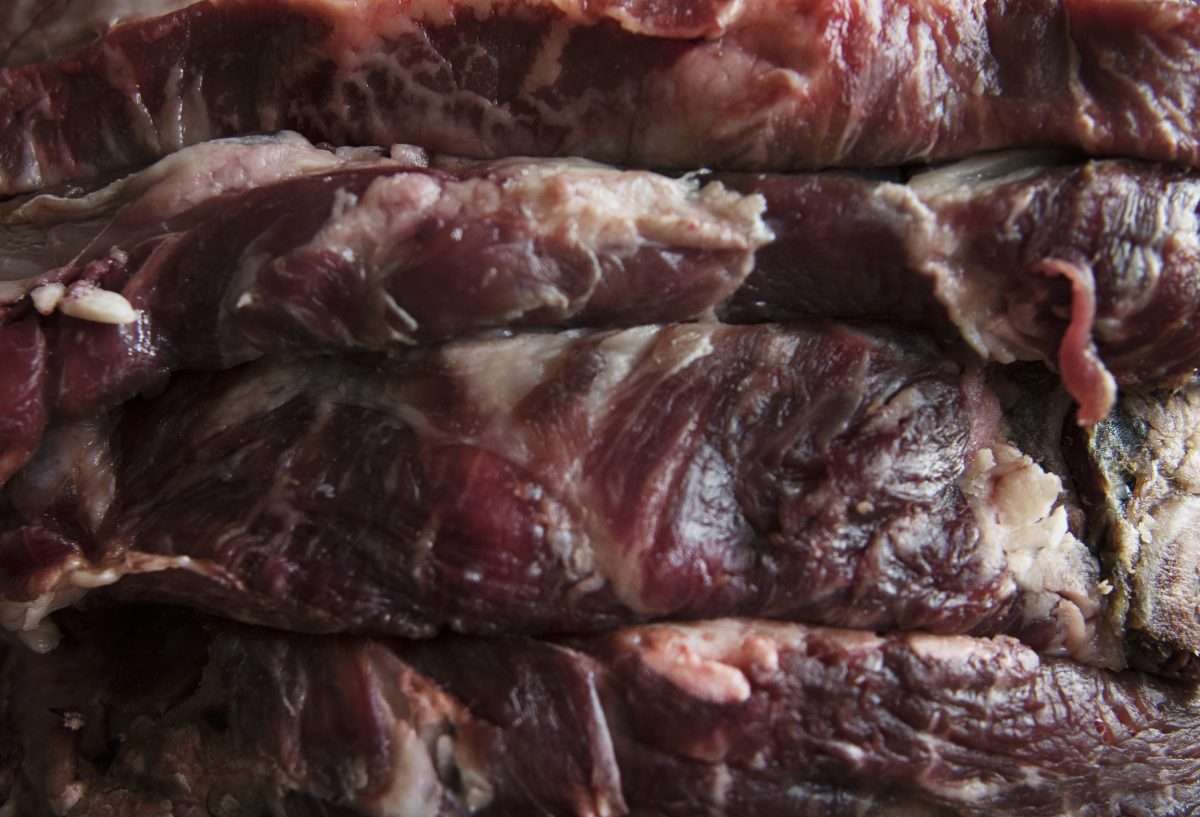
Chianina and Tuscany’s Traditional Meats: Cuts, Differences, and Perfect Pairings for Recipes
Tuscany is a region celebrated not only for its breathtaking landscapes and iconic wines but also for its exceptional meats. At the heart of this culinary heritage lies the Chianina breed, one of the oldest and most prestigious cattle breeds in the world. Known for its quality and versatility, Chianina meat is just one part of Tuscany’s diverse meat tradition, which includes pork, game, and cured specialties. In this article, we’ll explore Chianina beef and Tuscany’s traditional meats, discussing their unique characteristics, cuts, and perfect pairings for your recipes.
Chianina Cattle: The Star of Tuscany’s Meat Tradition
The Chianina breed has been raised in Tuscany for over 2,000 years, originating in the Val di Chiana region. Known for their massive size and pure white coats, Chianina cattle are among the largest in the world. But their fame doesn’t just come from their size—it’s the exceptional quality of their meat that makes them stand out.
Why Chianina Beef Is Unique
- Lean and Tender: Chianina beef is naturally lean but incredibly tender due to the fine marbling of fat.
- Rich Flavor: The meat has a robust yet delicate flavor, perfect for simple cooking methods that let the quality shine.
- Protected Status: Chianina beef is protected under the PGI (Protected Geographical Indication) label, ensuring its authenticity and quality.
Traditional Cuts of Chianina Beef
- Bistecca alla Fiorentina
- The T-bone steak, cut thick (at least 3-4 cm), is the most famous Chianina cut.
- Traditionally grilled over a wood fire, it’s seasoned with just coarse salt and olive oil to highlight the meat’s natural flavors.
- Pairing Tip: Serve with a glass of Chianti Classico for a perfect balance of flavors.
- Costata (Ribeye)
- A marbled cut with intense flavor, perfect for grilling or pan-searing.
- Often paired with roasted vegetables or a fresh salad for a lighter meal.
- Filetto (Tenderloin)
- The most tender cut, ideal for elegant dishes like filetto al vino rosso, where the beef is cooked in a red wine reduction.
- Pairing Tip: A bold Brunello di Montalcino complements the richness of this dish.
- Tartare
- Chianina beef is often served raw in tartare, seasoned with olive oil, lemon, and a hint of mustard.
- Pairing Tip: Pair with a crisp Vernaccia di San Gimignano to balance the freshness of the tartare.
Other Traditional Meats in Tuscany
While Chianina beef is the star, Tuscany’s meat tradition extends to a variety of other specialties:
1. Cinta Senese Pork
The Cinta Senese, an ancient breed of Tuscan pig, produces high-quality pork that’s prized for its marbling and flavor.
- Famous Cuts:
- Prosciutto di Cinta Senese: A dry-cured ham with a sweet, nutty flavor.
- Salsiccia (Sausage): Often seasoned with fennel or pepper for a bold taste.
- Perfect Pairing: Pair Cinta Senese meats with Vino Nobile di Montepulciano for a classic Tuscan experience.
2. Game Meats
Tuscany’s countryside is home to a variety of game, including wild boar (cinghiale), hare, and pheasant.
- Dishes to Try:
- Pappardelle al Cinghiale: Fresh pasta topped with a slow-cooked wild boar ragù.
- Arrosto di Lepre: Roasted hare, often cooked with herbs and wine.
- Pairing Tip: Rich dishes like these are best enjoyed with a full-bodied Super Tuscan wine.
3. Lamb (Agnello)
Lamb is a staple in Tuscan kitchens, especially during springtime festivals and Easter celebrations.
- Signature Dish: Scottadito, grilled lamb chops seasoned with rosemary and olive oil.
- Pairing Tip: A medium-bodied Morellino di Scansano enhances the flavors of lamb.
Cooking Tips for Tuscan Meats
- Keep It Simple: Tuscan cooking emphasizes the natural flavors of high-quality ingredients. A drizzle of Tuscan extra virgin olive oil, a pinch of salt, and fresh herbs are often all you need.
- Grill with Care: For cuts like bistecca alla Fiorentina, use a wood or charcoal grill to achieve an authentic smoky flavor.
- Slow Cook for Richness: Game meats and pork cuts often benefit from slow cooking to tenderize the meat and develop deep, rich flavors.
Perfect Pairings for Tuscan Meats
Pairing Tuscan meats with the right wine or sides elevates the dining experience. Here are some ideas:
Wine Pairings
- Chianina Beef: Bold reds like Chianti Classico, Brunello di Montalcino, or Vino Nobile di Montepulciano.
- Cinta Senese Pork: Lighter reds like Morellino di Scansano or young Chianti.
- Game Meats: Full-bodied reds like Super Tuscans or Montecucco Sangiovese.
Side Dishes
- Tuscan Beans: White beans simmered with sage and olive oil make a traditional accompaniment.
- Grilled Vegetables: Zucchini, eggplant, and bell peppers provide a fresh contrast to rich meats.
- Focaccia or Pane Toscano: Perfect for soaking up juices and sauces.
Why Tuscan Meats Are a Must-Try
Tuscany’s traditional meats, from the luxurious Chianina beef to the flavorful Cinta Senese pork, offer a true taste of the region’s culinary heritage. These meats are not just food—they’re a celebration of Tuscany’s dedication to quality, tradition, and the art of simple, delicious cooking.
Whether you’re grilling a bistecca alla Fiorentina, slow-cooking wild boar, or enjoying a slice of prosciutto with fresh bread, Tuscan meats provide an unforgettable experience for your palate. Pair them with the region’s world-class wines, and you’ll discover why Tuscany is a paradise for food lovers.
So, next time you’re in Tuscany or even in your own kitchen embrace the tradition of Chianina and Tuscan meats, and savor the flavors of one of Italy’s most beloved regions. Buon appetito!