


Harvest in Tuscany: History, Method and the Best Vineyard Dining Spots
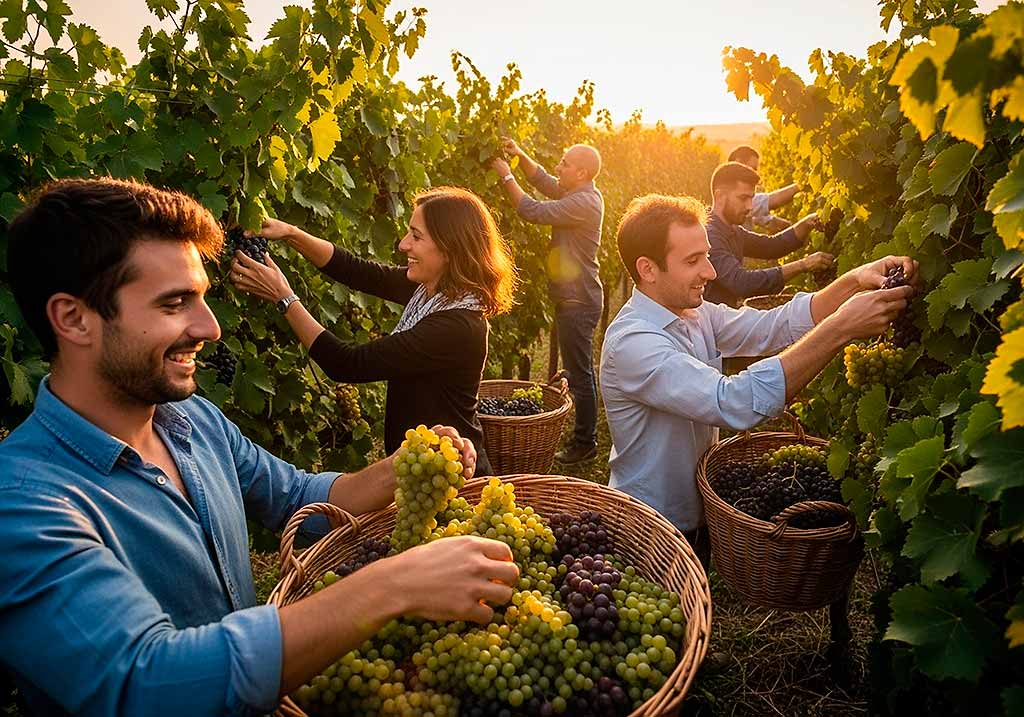
Long before Tuscany was a postcard of cypress lines and honey-stone towns, it was a patchwork of vineyards tended by Etruscans and Romans. The modern vendemmia (grape harvest) still echoes those ancient rhythms hands in the rows, crates filling at dawn, must perfuming the air, and communal meals between vines.
This guide covers the history of Tuscan harvest, the method and rules that govern quality wine today, and a curated list of places where you can eat in a vineyard in Tuscany.
A short history of the vendemmia in Tuscany
The turning point in Tuscany’s wine identity arrived in 1716, when Grand Duke Cosimo III de’ Medici issued an edict protecting the origin and trade of wines from specific zones, including Chianti, often cited as an early forerunner of appellation law.
In the 19th century, statesman Baron Bettino Ricasoli codified a pioneering formula for Chianti blends and quality practices from his Castello di Brolio, cementing standards that influenced Tuscan winemaking for generations.
The 20th century brought the DOC/DOCG system and detailed rulebooks (disciplinari). Today, each denomination, from Chianti Classico DOCG to Brunello di Montalcino DOCG, publishes strict parameters for yields, grape use, and cellar practices to safeguard authenticity and style.
Method: how the harvest actually works
When it happens. Tuscany’s harvest typically runs September through October (earlier for some whites and warmer sites, later for higher or cooler parcels). Estates fine-tune dates by tracking sugar levels, acidity, and phenolic ripeness, parcel by parcel. Many open their doors with harvest-season visits or educational tastings so guests can watch sorting or taste fresh must.
In the rows. Quality-driven estates still favor hand-harvesting into small crates to avoid crushing, followed by sorting tables to eliminate underripe or damaged berries. Steep slopes and old vineyards make machines impractical in many classic areas, so the craft remains tactile and slow by design.
In the cellar. After destemming (sometimes whole-cluster for stylistic choices), reds usually ferment with pump-overs or punch-downs to manage color and tannin. Temperature control preserves aromatics; separate micro-vinifications by plot help assemble the final blend with precision.
What’s allowed (and what isn’t). In Italy, chaptalization (adding beet or cane sugar to raise alcohol) is not permitted; when enrichment is needed, producers may use concentrated or rectified concentrated grape must under EU rules a practice far closer to “grapes from grapes” than adding external sugar.
Rules: the essentials that shape Tuscan wine quality
Appellation rulebooks define how much you can grow and how much wine you can legally obtain from it guardrails that influence everything from vineyard density to harvest decisions.
- Chianti Classico DOCG (all styles, including Riserva and Gran Selezione): maximum 7,500 kg of grapes per hectare and 52.5 hectoliters of wine per hectare, among other conditions. These limits, published in the Official Gazette, effectively cap yields to preserve concentration and typicity.
- Brunello di Montalcino DOCG: regulations cap the grape-to-wine yield at 68% (if you press harder and exceed that, you lose the right to the name). Vineyard-level constraints and aging rules (not detailed here) further shape the style.
- Seasonal adjustments: Consortia can issue temporary yield reductions in special vintages to protect quality and market balance; for example, the Chianti consortium announced cuts for the 2025 harvest window.
These are just highlights; each DOCG/DOC has its own technical sheet. The take-home for travelers: harvest timing and logistics are not “anytime” they’re dictated by nature and rulebooks.
Visitor etiquette during vendemmia (read before you go)
Harvest is high-stakes work. To be a welcome guest:
- Book ahead; most “harvest” experiences are tightly scheduled around weather.
- Wear closed shoes and follow staff instructions; never step between rows without permission.
- No grape picking unless invited (insurance and traceability matter).
- Drones are often forbidden during active picking.
- Kids & pets: ask policies in advance; dogs typically must be leashed.
Where to eat in a vineyard in Tuscany: curated picks
Below are reliable, bookable experiences from long tables between rows to elegant patios overlooking vines. Always check the current season’s calendar; offerings can shift with weather and harvest dates.
- Tenuta Torciano (San Gimignano) – “Lunch in the Vineyard”
A classic for vineyard lunches among the rows, with structured wine tastings and Tuscan menus (including vegetarian/vegan options on request). Torciano also runs garden and cellar lunches if the weather turns. - Ruffino – Tenuta Poggio Casciano (Bagno a Ripoli, Florence)
Casa Ruffino blends vineyard views, a polished Tre Rane restaurant, cellar tours, and overnight stays. It’s an easy hop from Florence for a “eat among the vines” day with serious wine service. - Rosewood Castiglion del Bosco (Montalcino) – Vineyard Picnic
A refined picnic in the vineyards with chef-prepared baskets and an outlook over Brunello country ideal if you want a quiet, upscale take on dining amidst vines. - Castello Banfi (Montalcino) – Estate Restaurants & Tastings
Banfi’s La Taverna and La Sala dei Grappoli sit in the heart of the estate, pairing estate wines with seasonal Tuscan dishes and extensive tours & tastings a strong option when you want dining that’s vineyard-immersive but fully serviced. - Querceto di Castellina (Chianti Classico) – Vineyard Dinner (seasonal)
A beloved long-table dinner in the vineyard (summer into early September) magical lighting, communal seating, and estate wines. Dates are published each year; harvest-shoulder dates often land in early September. - Il Borro (Valdarno) – Vineyard Tours & Picnics
Ferragamo’s country estate offers vineyard walks, cellar experiences, and picnic options that can be arranged within its organic farm framework perfect if you want a broader farm-to-vineyard day. - Frescobaldi – Tenuta CastelGiocondo (Montalcino)
Historic Brunello estate with tastings, stays, and on-site cuisine; reviews consistently cite memorable lunch pairings with vineyard views great for a long, unhurried day surrounded by vines.
Tip: If your heart is set on an actual table between the rows, ask explicitly; many estates switch to patios or courtyards during the busy harvest weeks or for safety.
Build your “Harvest Day” in Tuscany
- Morning: Guided estate tour timed to watch sorting or crush (when possible).
- Midday: Lunch in the vineyard or picnic hamper overlooking the vines (reserve a shady option if warm).
- Afternoon: Comparative tasting (e.g., single-parcel Sangiovese or vertical vintages) to understand how farming and yield limits show up in the glass.
- Golden hour: Photo stops along the Chiantigiana (SR222) or Val d’Orcia backroads two of the region’s most cinematic wine landscapes.