


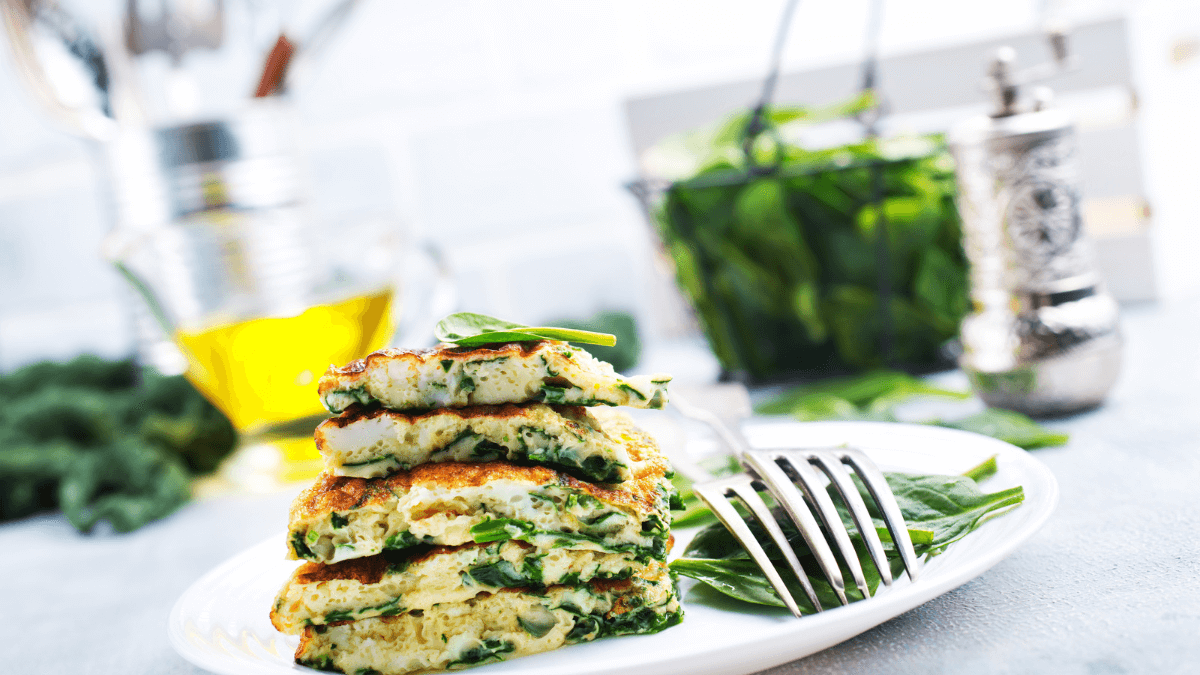
Tuscan Spring Wild-Herb Frittata: Recipe and Seasonal Field Greens
In Tuscany, spring has always meant more than warmer weather. It is the season when markets turn green again, when country cooking becomes lighter and sharper, and when the old rural habit of gathering wild herbs returns to the table.
Among the most natural expressions of that seasonal shift is the Tuscan spring wild-herb frittata: a rustic egg dish built around what the land offers first, whether that means foraged greens from fields and paths or the earliest cultivated vegetables from kitchen gardens and market stalls. Tuscany’s official tourism and food storytelling increasingly highlights foraging experiences as part of local rural heritage, and recent research on wild food plants in the region shows just how deep that tradition runs, documenting hundreds of edible taxa historically used in Tuscan gastronomy.
What makes this frittata especially Tuscan is not a single rigid recipe but a way of cooking
Use what is fresh, use what is nearby, and balance bitterness, softness, aroma, and olive oil. In the Tuscan hills, guided foraging experiences still present dishes such as wild-herb frittata, bruschetta with gathered greens, and rustic soups as living expressions of countryside food culture rather than museum pieces. That matters because this dish belongs to the same family of everyday peasant cooking as soups of mixed greens, acquacotta, and the broader use of “erbe di campo” that once helped rural households bridge the gap between winter scarcity and the abundance of summer.
The herbs that traditionally suit a Tuscan-style spring frittata are the ones that arrive early and speak clearly of the season. Wild chicory is one of the most characteristic, bringing pleasant bitterness and structure. Borage adds softness and a gentle cucumber-like freshness. Nettles contribute depth and minerality once blanched. Poppy greens and other tender field greens soften the mix, while mallow can round out harsher flavours.
In the Tuscan hills, foragers also identify ingredients such as common thyme, mallow flowers, sea beet, and wild asparagus among the edible plants historically used in local cooking; one widely cited account of Tuscan foraging notes that more than 200 edible wild plants can still be identified in the region, even if much of that knowledge faded after the postwar move away from the countryside.
That does not mean every good spring frittata must rely only on foraged greens. In practice, many home cooks build a similar flavour profile by combining a little wild bitterness with cultivated spring produce. Current seasonal produce calendars for Mediterranean Italy place artichokes, asparagus, spinach, peas, broad beans, green onions, green garlic, and leeks firmly in spring, and these are exactly the kinds of vegetables that naturally accompany a Tuscan herb frittata, whether folded into the mixture or served alongside it.
In a more market-driven version of the dish, a cook might combine blanched wild chicory with spinach for body, add a few chopped asparagus tips, or sauté green garlic and spring onion in olive oil before pouring in the eggs. The result remains faithful to the spirit of the recipe even when the field basket is smaller than the shopping bag.
A practical home recipe is straightforward.
For a 24-centimetre skillet, use 6 eggs, about 250 to 300 grams of mixed spring greens, 1 small spring onion or 1 stalk of green garlic, 30 to 40 grams of grated pecorino or Parmigiano Reggiano, extra virgin olive oil, salt, black pepper, and, if you like, a few chopped leaves of mint, marjoram, or wild fennel fronds. If your mix includes nettles, chicory, or tougher field greens, wash them thoroughly, blanch them briefly in salted water, drain them very well, and squeeze out excess moisture before chopping. Softer greens such as borage or tender spinach may be wilted directly in the pan. In a skillet, warm the olive oil and gently soften the spring onion or green garlic.
Add the chopped greens, cook just long enough to dry them slightly and concentrate the flavour, then let them cool. Beat the eggs with the cheese, salt, pepper, and any aromatic herbs, then fold in the greens.
Pour everything back into an oiled skillet and cook slowly over medium-low heat until set, turning once if you want a more traditional two-sided finish. This kind of frittata is especially good warm, at room temperature, or even cold the next day, which is one reason similar herb frittatas remain so practical in rural cooking.
The most interesting part of this dish is how adaptable it is without losing its character.
A more bitter and old-fashioned version might lean on wild chicory, dandelion, and nettles, producing a frittata with a stronger countryside edge. A gentler version might rely on borage, spinach, and spring onion, making it friendlier for guests unfamiliar with wild greens. If you want the plate to feel especially Tuscan, a few additions work beautifully: sliced artichokes softened in olive oil, a handful of fresh peas, or chopped broad beans added at the end for sweetness and bite.
Wild asparagus or cultivated asparagus tips are another classic spring choice, especially if you want the frittata to feel more refined while staying seasonal. The key is not to crowd the pan. A field-herb frittata works best when one or two vegetables support the greens instead of competing with them.
Just as important as what goes into the frittata is what goes next to it.
In Tuscan spring cooking, this kind of dish sits naturally beside fresh broad beans, lightly dressed artichokes, a small salad of tender leaves, sautéed asparagus, or simple crusty bread. Because the flavour of field herbs can be slightly earthy or bitter, the most traditional companions are those that either brighten or soften the plate: lemon, young pecorino, new olive oil, spring onions, and sweet peas all do that well.
If you want to turn the frittata into a fuller lunch, serving it with fava beans and pecorino or with a side of gently braised artichokes gives the table a recognisably central Italian spring identity. The point is not to make the meal complicated. It is to let spring ingredients echo one another.
One reason this recipe still matters in 2026 is that it fits perfectly with current interest in seasonal Tuscan food, low-waste cooking, and the rediscovery of edible wild plants. Tuscany’s official tourism platform now treats foraging not as a curiosity but as a meaningful cultural activity, presenting expert-led walks through fields, olive groves, and woodland paths where participants learn to identify edible herbs and then cook with them. That is a strong sign that dishes like wild-herb frittata are not just relics of a lost peasant past. They are part of a revived culinary language that appeals both to locals and to travellers looking for food rooted in place rather than in fashion.
At the same time, it is important to be sensible. Tuscan foraging experiences are consistently framed around expert guidance, and that is the right model to follow. Reliable identification matters, and so does where you gather: knowledgeable foragers stress that edible plants should be picked away from polluted areas and only when you are completely sure of what you are handling. In other words, this is a dish you can reproduce very easily at home, but only with herbs you know well or have obtained safely from a trusted source, market, or guided forage. That caution is part of the tradition too. Rural knowledge was never casual; it was precise.
In the end, the beauty of a Tuscan spring wild-herb frittata lies in how much of the season it can hold in one pan. It is simple, but not plain. It is frugal, but not austere. It allows bitter greens, tender herbs, and first vegetables to come together in a dish that feels both ancient and absolutely contemporary. Whether you make it with borage and nettles from a trusted countryside walk, or with market asparagus, peas, spring onion, and spinach, the result still speaks the same language: spring in Tuscany, cooked honestly and eaten without hurry.