


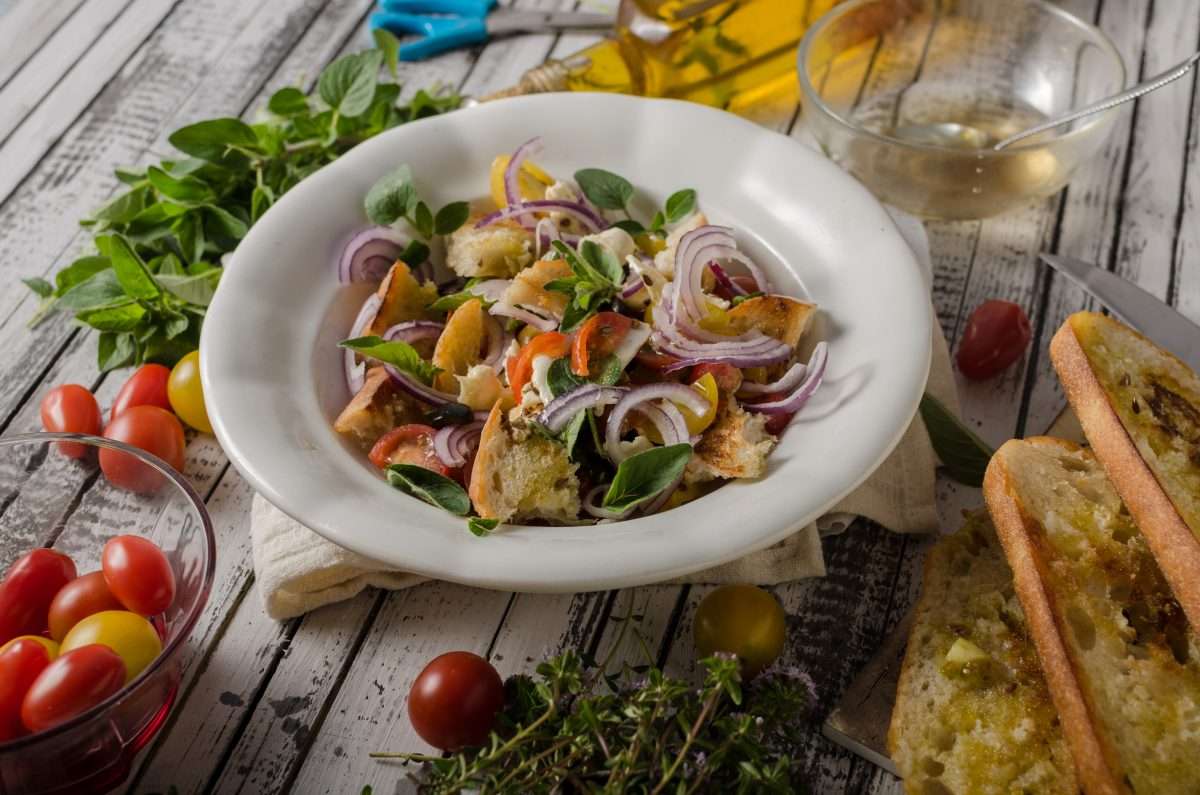
Panzanella Salad: A Refreshing Taste of Florentine Summers
Tuscany, or Toscana, is a region celebrated for its rolling hills, historic cities, and vibrant culinary scene. Among its myriad of delicious offerings, Panzanella Salad stands out as a quintessential Florentine summer dish. This hearty and refreshing salad perfectly captures the essence of Tuscan cuisine, blending fresh, seasonal ingredients with simple yet flavorful preparations. In this article, we delve into the history, ingredients, preparation, and cultural significance of Panzanella Salad, highlighting why it remains a beloved staple in Florentine kitchens and beyond.
The Origins of Panzanella Salad
Panzanella Salad, has its roots deeply embedded in the rustic traditions of Tuscan peasant cooking. The dish originated as a way to make use of stale bread, a staple in the daily diet of rural communities. By combining leftover bread with fresh vegetables, farmers and laborers could create a satisfying and nutritious meal with minimal resources. Over time, Panzanella evolved, incorporating a variety of local ingredients and adapting to seasonal changes, thus becoming a symbol of Tuscany’s agricultural heritage.
Evolution Through the Centuries
While the basic concept of using stale bread remains, modern versions of Panzanella Salad often include additional elements such as capers, red onions, and fresh herbs. This evolution reflects Tuscany’s dynamic culinary landscape, where traditional recipes are preserved while embracing new flavors and techniques. Today, Panzanella is not only enjoyed in rural farmhouses but also featured in upscale restaurants, showcasing its versatility and enduring popularity.
Key Ingredients of Panzanella Salad
The beauty of Panzanella Salad lies in its simplicity and the quality of its ingredients. Each component plays a crucial role in creating the salad’s harmonious balance of flavors and textures.
Stale Bread
At the heart of Panzanella is stale bread, typically a rustic Italian loaf such as ciabatta or pane toscano. The bread is torn into bite-sized pieces and allowed to soak in water or broth to soften it without becoming mushy. This preparation method transforms stale bread into a delightful base that absorbs the flavors of the other ingredients.
Fresh Tomatoes
Seasonal fresh tomatoes are essential for the vibrant taste and juiciness of the salad. Heirloom varieties are often preferred for their rich flavors and beautiful colors, which add visual appeal to the dish.
Cucumbers
Crisp cucumbers provide a refreshing contrast to the soft bread and juicy tomatoes. They are usually sliced thinly to blend seamlessly with the other ingredients.
Red Onions
Thinly sliced red onions add a sharp, tangy bite that enhances the overall flavor profile of the salad. Their pungency balances the sweetness of the tomatoes and the mildness of the cucumbers.
Fresh Herbs
Fresh herbs such as basil, parsley, and mint are key to infusing the salad with aromatic flavors. These herbs not only elevate the taste but also add a burst of color and freshness.
Olive Oil and Vinegar
A generous drizzle of high-quality extra virgin olive oil and a splash of red wine vinegar or balsamic vinegar bring all the ingredients together. The oil adds richness, while the vinegar provides the necessary acidity to balance the dish.
Salt and Pepper
A sprinkle of salt and freshly ground black pepper enhances the natural flavors of the ingredients, ensuring a well-seasoned and flavorful salad.
How to Prepare Panzanella Salad
Creating an authentic Panzanella Salad is a straightforward process that emphasizes fresh ingredients and simple techniques. Here’s a step-by-step guide to making this delightful Tuscan dish:
Ingredients:
- 4 cups stale bread, torn into bite-sized pieces
- 4 large ripe tomatoes, diced
- 1 cucumber, thinly sliced
- 1 red onion, thinly sliced
- 1/4 cup fresh basil leaves, torn
- 2 tablespoons fresh parsley, chopped
- 1/4 cup extra virgin olive oil
- 2 tablespoons red wine vinegar or balsamic vinegar
- Salt and freshly ground black pepper to taste
Instructions:
1. Soak the Bread:
- Place the torn bread pieces in a large bowl.
- Pour enough water or broth over the bread to moisten it without making it soggy.
- Let the bread soak for about 10-15 minutes, allowing it to soften and absorb the liquid.
2. Prepare the Vegetables:
- While the bread is soaking, dice the tomatoes and thinly slice the cucumber and red onion.
- In a separate bowl, combine the tomatoes, cucumbers, and red onions.
3. Combine Ingredients:
- Gently squeeze out any excess liquid from the soaked bread.
- Add the softened bread to the bowl with the vegetables.
- Toss the mixture gently to combine.
4. Add Herbs and Dressing:
- Sprinkle the torn basil leaves and chopped parsley over the salad.
- Drizzle the extra virgin olive oil and red wine vinegar over the top.
- Season with salt and freshly ground black pepper to taste.
5. Mix and Rest:
- Toss all the ingredients thoroughly, ensuring that the bread is evenly coated with the dressing.
- Let the Panzanella Salad rest for at least 30 minutes to allow the flavors to meld. It can be served immediately but tastes even better after some time.
6. Serve:
- Serve the salad chilled or at room temperature as a refreshing starter or side dish during the warm summer months.
Cultural Significance of Panzanella Salad
Panzanella Salad is more than just a summer dish; it is a reflection of Tuscany’s resourcefulness and deep connection to its agricultural roots. The use of stale bread underscores the region’s commitment to minimizing waste and making the most of available resources, a principle that has been integral to Tuscan life for generations.
Symbol of Seasonal Abundance
The ingredients in Panzanella highlight the seasonal abundance of Tuscany. Fresh tomatoes and cucumbers signify the height of summer, while the use of local herbs emphasizes the region’s rich biodiversity. This seasonal emphasis not only ensures that the salad is bursting with fresh flavors but also ties the dish to the rhythms of Tuscan life and farming practices.
Community and Family Traditions
Panzanella Salad is often prepared as a family meal, bringing together loved ones to enjoy a simple yet delicious dish. It embodies the Tuscan values of family, community, and sharing, making it a beloved tradition in many households. The communal aspect of preparing and enjoying Panzanella fosters a sense of togetherness and continuity, bridging generations through food.
Where to Enjoy Panzanella Salad in Tuscany
To truly experience the authentic taste of Panzanella Salad, visiting local restaurants and trattorias in Tuscany is essential. Here are some top recommendations:
Trattoria Mario (Florence)
Located in the heart of Florence, Trattoria Mario is famed for its traditional Tuscan dishes, including a standout version of Panzanella Salad. The cozy and bustling atmosphere adds to the dining experience, making it a favorite among locals and tourists alike.
Osteria Le Logge (Siena)
In the historic city of Siena, Osteria Le Logge offers a sophisticated take on Panzanella Salad, using premium ingredients and artistic presentation. This osteria is perfect for those seeking an elevated dining experience without straying from traditional flavors.
Agriturismo Poggio al Vento (Chianti)
Nestled in the picturesque Chianti region, Agriturismo Poggio al Vento provides an idyllic setting to enjoy a fresh and authentic Panzanella Salad. Surrounded by vineyards and olive groves, the agriturismo offers farm-to-table dining that highlights the best of Tuscan produce.
Ristorante La Cantina del Gallo Nero (Arezzo)
In Arezzo, Ristorante La Cantina del Gallo Nero serves a delightful Panzanella Salad that captures the essence of Tuscan summers. The restaurant’s charming ambiance and commitment to quality ingredients make it a must-visit for salad enthusiasts.
Tips for Enhancing Your Panzanella Experience
To make the most of your Panzanella Salad experience in Tuscany, consider the following tips:
Use Fresh, High-Quality Ingredients
The key to a delicious Panzanella Salad lies in the freshness and quality of its ingredients. Opt for ripe, locally grown tomatoes and cucumbers, and choose a good extra virgin olive oil and high-quality red wine vinegar to enhance the flavors.
Adjust to Taste
Feel free to customize your Panzanella Salad by adding other ingredients such as capers, olives, or even grilled vegetables. This flexibility allows you to tailor the salad to your personal preferences and experiment with different flavor combinations.
Let It Marinate
Allowing the Panzanella Salad to sit for a while before serving helps the bread absorb the flavors and the ingredients meld together beautifully. For an even richer taste, prepare the salad in advance and let it marinate in the refrigerator.
Pair with Tuscan Wines
Enhance your meal by pairing Panzanella Salad with a glass of Tuscan wine. A crisp Verdicchio or a light Chianti Classico can complement the salad’s fresh and tangy flavors, creating a harmonious dining experience.
Therefore…
Panzanella Salad is a shining example of Tuscan culinary ingenuity, transforming humble ingredients into a delightful and refreshing dish that embodies the essence of Florentine summers. Its blend of fresh vegetables, aromatic herbs, and flavorful bread makes it a versatile and beloved staple in both traditional and modern Tuscan cuisine. Whether enjoyed in a rustic farmhouse or a chic city restaurant, Panzanella Salad offers a taste of Tuscany’s rich agricultural heritage and its commitment to simple, high-quality ingredients.
For travelers seeking to experience the true flavors of Tuscany, Panzanella Salad is a must-try dish that captures the region’s vibrant spirit and culinary excellence. Embrace the freshness, savor the flavors, and discover why this refreshing Tuscan salad continues to enchant food lovers around the world.