


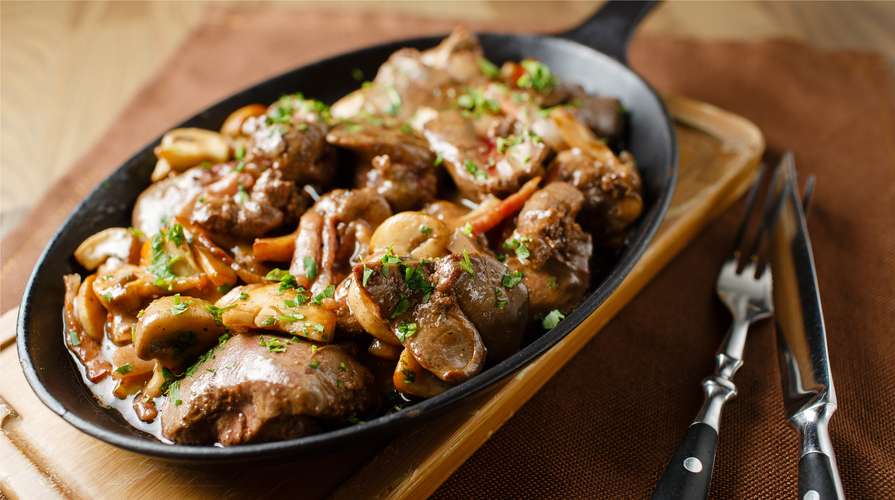
Cibreo: Florence’s Historic Dish Loved by Royals
Florence, the enchanting heart of Tuscany, is a city steeped in art, history, and unparalleled culinary traditions. Among its myriad gastronomic treasures, Cibreo stands out as a historic dish that has not only defined Florentine cuisine but has also been cherished by royals and nobility throughout its illustrious history. This hearty stew, rich in flavors and tradition, embodies the essence of Tuscan cooking and continues to captivate food enthusiasts and gourmets worldwide. In this article, we delve into the history, preparation, and cultural significance of Cibreo, highlighting why it remains a beloved staple in Florence’s culinary landscape.
The Origins of Cibreo
Cibreo traces its roots back to the 19th century in Florence, where it was created as a luxurious variation of traditional Tuscan stews. The dish was developed by Antonio Mazzoni, a renowned Florentine chef, who sought to elevate the rustic flavors of Tuscan cuisine to cater to the refined palates of the city’s elite and visiting royals. The name “Cibreo” itself is believed to be derived from the Latin word “cibare,” meaning “to feed,” reflecting its hearty and nourishing nature.
Originally served in high-end restaurants and the palaces of Florentine nobility, Cibreo quickly gained popularity for its rich blend of meats and aromatic vegetables, slow-cooked to perfection. Its association with royalty and aristocracy cemented its status as a prestigious dish, symbolizing Florence’s culinary sophistication and cultural heritage.
Traditional Preparation of Cibreo
The allure of Cibreo lies in its complex layering of flavors and the meticulous preparation that goes into each pot. This traditional Florentine recipe typically includes a combination of various meats, vegetables, and a rich broth, creating a harmonious and deeply satisfying meal.
Key Ingredients:
- Assorted Meats: A mix of beef, pork, and offal (such as liver and tripe) provides a robust and hearty base.
- Aromatic Vegetables: Onions, carrots, celery, and garlic add depth and sweetness to the stew.
- Herbs and Spices: Fresh rosemary, thyme, and bay leaves infuse the dish with fragrant notes.
- Red Wine: A generous splash of Tuscan red wine, such as Chianti, enhances the richness and complexity of the broth.
- Tomatoes: Crushed tomatoes contribute a subtle acidity, balancing the savory flavors.
- Broth: Homemade beef or vegetable broth serves as the foundation, ensuring a deep and flavorful consistency.
Cooking Method:
- Searing the Meats: The assorted meats are first seared in a heavy-bottomed pot to develop a rich, caramelized exterior, which forms the base of the stew’s flavor.
- Sautéing the Vegetables: Aromatic vegetables are sautéed until tender, releasing their natural sweetness and adding layers of flavor.
- Deglazing with Wine: Red wine is added to deglaze the pot, incorporating the browned bits into the stew and enriching the broth.
- Simmering to Perfection: The mixture is combined with crushed tomatoes and broth, then slow-cooked for several hours. This extended cooking time allows the flavors to meld and the meats to become tender and succulent.
- Final Touches: Fresh herbs are added towards the end of the cooking process, infusing the stew with their aromatic qualities.
The result is a deeply flavorful and hearty Tuscan stew that epitomizes the richness and warmth of Florentine cuisine.
Cibreo and Royalty: A Regal Connection
Cibreo’s reputation as a dish loved by royals is a testament to its esteemed place in Italian culinary traditions. Throughout history, Florentine nobility and visiting dignitaries have praised and patronized the finest Florentine restaurants, where Cibreo was often a featured dish. Its luxurious ingredients and sophisticated preparation made it a favorite among those seeking an authentic and indulgent Tuscan dining experience.
One notable example is the Medici family, whose patronage of the arts and culinary excellence significantly influenced Florence’s cultural landscape. Cibreo was frequently served at Medici feasts, showcasing the family’s commitment to promoting high-quality, traditional dishes that highlighted the best of Tuscan gastronomy.
Additionally, during the Grand Tour era, European aristocrats and intellectuals visiting Florence sought out traditional dishes like Cibreo to experience the authentic flavors of Tuscany. These esteemed guests often shared their positive experiences, further elevating Cibreo’s status as a premier Florentine dish.
Cultural Significance of Cibreo
Cibreo is more than just a meal; it is a cultural emblem that represents Florence’s rich agricultural heritage and the region’s dedication to culinary excellence. The dish embodies the principles of cucina povera, which emphasizes the use of simple, high-quality ingredients to create flavorful and nutritious meals. Despite its origins in peasant cooking, Cibreo’s transformation into a dish favored by royalty highlights the versatility and enduring appeal of Tuscan cuisine.
Symbol of Tradition and Innovation
Cibreo seamlessly blends traditional cooking techniques with innovative flavor combinations, making it a symbol of Florence’s ability to honor its past while embracing culinary advancements. This balance of tradition and innovation is a hallmark of Florentine cuisine, allowing dishes like Cibreo to remain relevant and beloved across generations.
Community and Hospitality
In Florence, sharing a meal is an integral part of the city’s social fabric. Cibreo plays a significant role in communal dining, whether it’s served in family gatherings, festive celebrations, or prestigious restaurants. The dish fosters a sense of community and togetherness, reflecting the Tuscan values of hospitality and conviviality.
Where to Enjoy Cibreo in Florence
For those eager to experience the authentic flavors of Cibreo, Florence offers a range of esteemed restaurants that specialize in traditional Tuscan cuisine. These establishments honor the dish’s heritage while presenting it with modern finesse, ensuring an unforgettable dining experience.
Recommended Restaurants:
- Cibreo Ristorante: Founded by the esteemed Cibreo family, this restaurant is renowned for its traditional and innovative takes on Cibreo, offering an authentic and luxurious Florentine dining experience.
- Trattoria Mario: A beloved local spot known for its hearty and flavorful Tuscan dishes, including a classic rendition of Cibreo.
- Osteria del Cinghiale Bianco: Specializing in wild boar dishes, this osteria offers a delectable version of Cibreothat highlights the rich, gamey flavors synonymous with Tuscan cuisine.
- Enoteca Pinchiorri: For a high-end experience, this Michelin-starred restaurant pairs Cibreo with exquisite wines, elevating the dish to new culinary heights.
Therefore…
Cibreo is a shining example of Florentine culinary heritage, embodying the region’s rich history, cultural traditions, and commitment to gastronomic excellence. From its humble beginnings as a peasant stew to its status as a royal favorite, Cibreo has evolved while maintaining its authentic essence, making it a cherished dish in both Florence and international Italian restaurants.
Whether you’re a seasoned food enthusiast or a curious traveler seeking to immerse yourself in Tuscan flavors, Cibreo offers a delightful and authentic taste of Florence’s enduring culinary legacy. Embrace the rich history and exquisite flavors of Cibreo, and discover why this traditional Tuscan dish continues to charm gourmets around the world.