


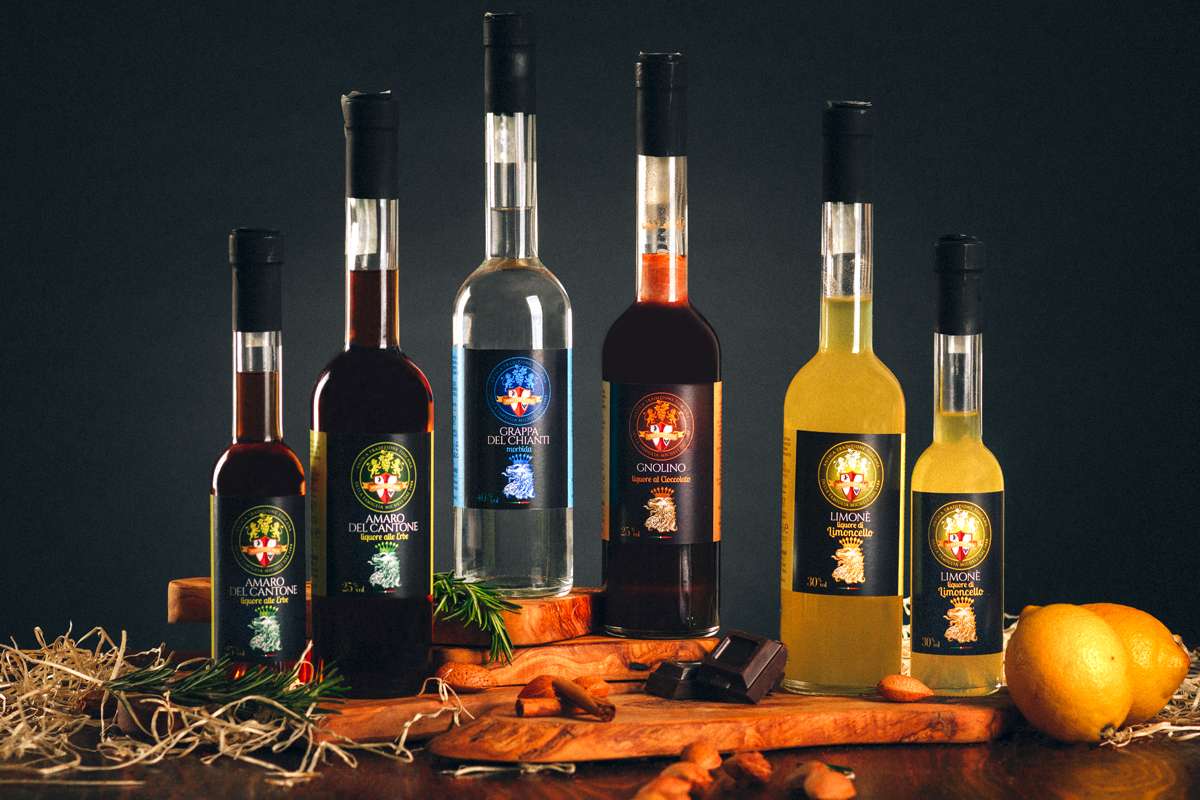
Grappa, Digestives, and Bitters: Exploring Tuscany’s Traditional Culinary Spirits
Tuscany is celebrated worldwide for its rich culinary heritage, from fine wines like Chianti and Vernaccia to world-renowned olive oils and cheeses. Among its many gastronomic treasures, the region’s grappas, digestives, and amari (bitters) occupy a special place. These traditional spirits not only reflect the craftsmanship and flavors of Tuscany but also offer a glimpse into the history and culture that have shaped this Italian region over centuries.
If you are a lover of Italian spirits or simply curious about Tuscan culinary traditions, exploring these products is a journey into the heart of Tuscany’s culinary soul.
The History of Grappa in Tuscany
Grappa, the distilled spirit made from pomace, the skins, seeds, and stems left over from winemaking, has a long and fascinating history in Tuscany. Introduced to Italy in the Middle Ages, grappa initially served as a way for farmers to use the by-products of wine production. Over time, it evolved into a refined spirit, representing the expertise and tradition of local distillers.
Tuscany’s vineyards, particularly in regions like Chianti, Montalcino, and Montepulciano, provide high-quality grapes, which contribute to grappas with distinct flavors and aromas. From smooth and floral varieties to bold and robust options, Tuscan grappa showcases the diversity of the region’s viticulture. Many distilleries today continue to produce grappa using traditional copper pot stills, ensuring a high level of craftsmanship and authenticity.
Digestives: A Ritual After Meals
In Tuscany, as in the rest of Italy, meals are an experience to savor. After enjoying a hearty Tuscan dinner, locals often conclude with a digestive, a small glass of alcohol designed to aid digestion. While grappa is the most iconic option, Tuscany also produces a variety of liqueurs and herbal spirits known for their restorative properties.
Popular Tuscan digestives include Vin Santo liqueurs, infused with the same grapes used for the famous dessert wine, and herbal liqueurs crafted with aromatic botanicals. These digestives are typically served chilled or at room temperature, offering a flavorful conclusion to traditional dishes such as pici pasta with cinghiale sauce or bistecca alla Fiorentina.
Amari: The Bitters of Tuscany
Amari, or Italian bitters, are another cornerstone of Tuscan culinary tradition. Known for their complex flavors, amari are usually made by infusing alcohol with herbs, roots, spices, and citrus peels. They serve multiple purposes: as a digestive, a cocktail ingredient, or even a traditional remedy.
Some of the most renowned Tuscan amari include Amaro del Chianti, a herbal bitters highlighting local botanicals, and Amaro di Montepulciano, with slightly sweeter notes to complement desserts. Drinking amari is both a sensory experience and a cultural ritual, often associated with conviviality and relaxation after a meal.
Regional Variations and Local Distilleries
One of the fascinating aspects of Tuscan spirits is their regional diversity. Each area boasts local distilleries and recipes passed down through generations. For instance, in Siena, distillers often emphasize grape varietals from nearby vineyards, producing grappas with delicate floral and fruity notes. In contrast, Maremma and the Tuscan coast focus on herbal digestives and amari, integrating aromatic plants unique to the Mediterranean climate.
Many of these local producers welcome visitors, offering tastings and tours. This allows travelers to learn about the production process, from fermentation to distillation, and to experience the flavors of Tuscany firsthand. These experiences are increasingly popular among food enthusiasts and tourists seeking authentic culinary adventures.
Pairing Tuscan Spirits with Food
Tuscany’s grappa, digestives, and amari are best enjoyed in combination with local cuisine. A smooth grappa pairs beautifully with aged pecorino cheese or chocolate desserts, enhancing the natural flavors. Herbal digestives complement rich meats and roasted vegetables, while amari are perfect alongside cantucci biscuits and Vin Santo.
Additionally, bartenders and sommeliers in Florence and Siena are increasingly experimenting with craft cocktails, using Tuscan spirits as the base for creative drinks. This modern twist ensures that traditional spirits remain relevant and exciting, appealing to both locals and international tourists.
To Conclude…
The world of Tuscan grappas, digestives, and amari is a fascinating blend of history, tradition, and flavor. These spirits not only provide an authentic taste of Tuscany but also reflect the region’s cultural heritage and dedication to craftsmanship. Whether enjoyed as a post-meal ritual, a tasting experience at a local distillery, or a modern cocktail in Florence, Tuscan spirits offer a unique window into Italian culinary culture.
For travelers seeking to explore Tuscany beyond its renowned wines and cuisine, sampling local grappas, digestives, and amari is an unforgettable experience. These beverages embody the essence of the region, connecting history, nature, and gastronomy in every sip. So this summer, immerse yourself in the rich traditions of Tuscany, savor its spirits, and discover why these time-honored drinks remain central to the Tuscan table.