


Biscottificio Mattei and Other Iconic Confectionery Industries of Tuscany
Tuscany is a region renowned worldwide for its rich culinary traditions, from fine wines and olive oils to savory cheeses and breads. Yet among its many gastronomic treasures, the world of Tuscany’s confectionery industry holds a special place, blending craftsmanship, history, and flavor. Central to this story is Biscottificio Mattei, a name synonymous with quality and tradition, alongside other historic and modern pastry and confectionery producers that continue to define Tuscan sweets.
Exploring these companies provides a window into the region’s cultural and culinary heritage while revealing why Tuscany is considered a paradise for lovers of artisan sweets and baked goods.
Biscottificio Mattei: A Legacy of Tuscan Sweets
Founded in the early 20th century, Biscottificio Mattei quickly became one of the most respected names in Tuscan confectionery. The company is best known for its traditional cantucci, the iconic almond biscuits that have become a hallmark of Tuscan culinary tradition. Mattei’s dedication to using high-quality ingredients, such as locally sourced almonds and artisanal flour, has ensured that its products retain authentic flavor and texture, making them a favorite both in Italy and abroad.
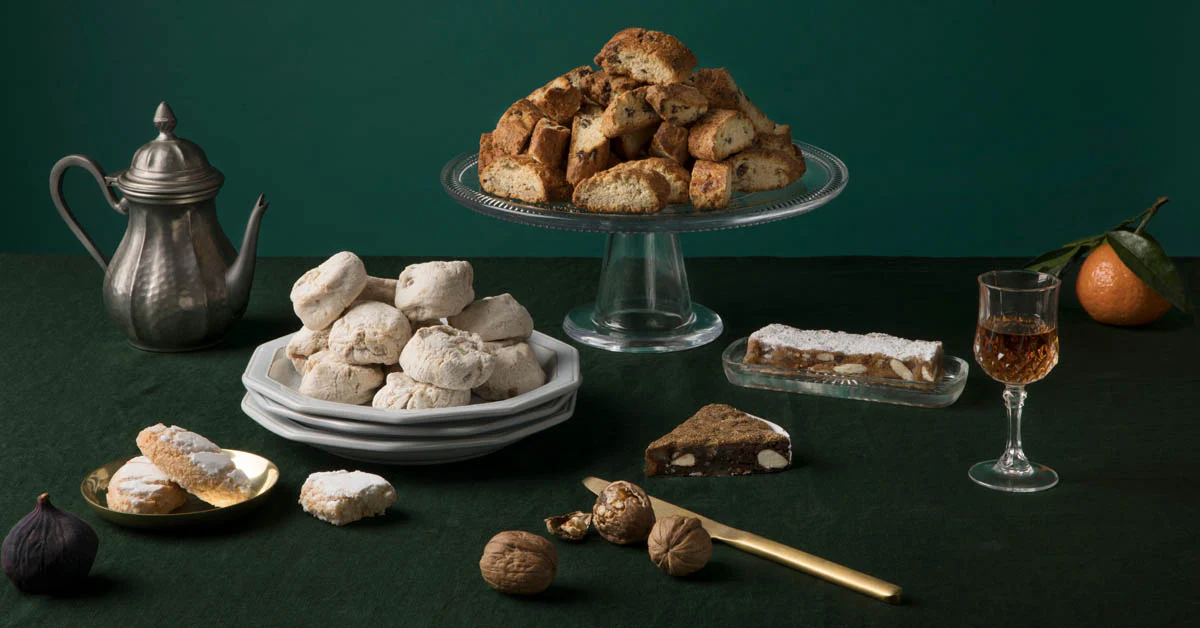
Cantucci biscuits from Mattei are traditionally served with Vin Santo, a sweet Tuscan dessert wine, creating a pairing that has been celebrated for generations. The company has expanded its offerings to include other pastries, such as biscotti with chocolate or dried fruits, yet always maintaining the essence of Tuscany’s artisanal pastry-making heritage.
Other Historical Confectioneries in Tuscany
Beyond Biscottificio Mattei, Tuscany boasts several other historic confectionery producers that have contributed to the region’s reputation for exquisite pastries. For example, Pasticceria Nannini in Siena is celebrated for its panforte and ricciarelli, traditional desserts that date back centuries. These companies combine heritage recipes with modern production techniques, offering products that are both authentic and accessible to today’s consumers.
Similarly, in Florence, small artisan bakeries and confectioneries specialize in biscotti, cookies, and chocolate treats that reflect the city’s rich cultural history. Companies like Biscottificio Innocenti and Pasticceria Rivoire continue to produce sweets following recipes that have been handed down for generations. These businesses are not just places to buy treats—they are living museums of Tuscan culinary tradition, where visitors can experience the production process firsthand.
The Importance of Tradition and Local Ingredients
A defining feature of Tuscany’s confectionery industry is the emphasis on local ingredients and traditional methods. Almonds from Prato, hazelnuts from the Mugello area, and Tuscan honey are commonly used to produce sweets that are rich in flavor and culturally meaningful. Companies like Mattei and other historic producers ensure that these ingredients are combined using artisan techniques, often passed down within families for generations.
In addition to ingredients, Tuscany’s confectioners focus on slow baking methods, handcrafting, and natural flavorings. This approach preserves the integrity of the product, highlighting the delicate balance between sweetness, texture, and aroma. The result is a culinary experience that connects consumers to the landscape and traditions of Tuscany.
Modern Developments and Innovation
While tradition is central, many Tuscan confectionery producers have embraced innovation to meet modern tastes and international demand. Companies like Biscottificio Mattei now offer packaging for export, online sales, and collaborations with international gourmet brands. Additionally, new sweet creations, including gluten-free cantucci and chocolate-infused biscuits, allow these traditional companies to expand their audience while preserving the essence of Tuscany’s artisan heritage.
Tourism has also played a role in innovation. Many confectioneries have opened their doors to visitors for tastings and workshops, creating a full culinary tourism experience. Visitors can see how biscotti and other sweets are made, taste the final products, and purchase treats that are authentic and handmade, making Tuscany a destination not only for wine lovers but also for pastry enthusiasts.
Experiencing Tuscan Confectioneries Today
Exploring Tuscany through its confectionery traditions offers an enriching experience for locals and tourists alike. From tasting almond cantucci dipped in Vin Santo to visiting workshops where chocolate and biscuits are made, these experiences showcase the intersection of history, culture, and gastronomy. For travelers seeking to understand Tuscany beyond its landscapes and wines, exploring the Biscottificio Mattei and other historic confectioneries is an essential part of the journey.
Whether visiting Florence, Siena, or smaller Tuscan towns, visitors can find artisan sweets that tell a story of heritage, skill, and regional pride. Each biscuit, chocolate, and pastry is not merely a product but a reflection of Tuscany’s commitment to quality and tradition, making the region a haven for culinary discovery.
To Conclude…
Tuscany’s confectionery industry, led by iconic names like Biscottificio Mattei, is a testament to the region’s dedication to tradition, quality, and culinary artistry. From historic cantucci to innovative modern creations, these sweets capture the essence of Tuscany, offering flavors that are authentic, artisanal, and deeply connected to the local culture.
For anyone traveling to Tuscany or exploring Italian culinary traditions, a journey through the region’s confectioneries is a unique and delightful way to experience the heritage and craftsmanship that make Tuscan sweets world-renowned. Whether enjoyed as a pairing with Vin Santo, a gift for friends, or a personal treat, these products ensure that Tuscany’s sweet legacy continues to enchant and delight.