


Brunello and Rosso di Montalcino: History, Regulations, and Key Differences
Tuscany is globally celebrated for its prestigious wines, and among the most iconic are Brunello di Montalcino and Rosso di Montalcino. These wines, produced in the rolling hills of Montalcino, represent the pinnacle of Tuscan winemaking, combining centuries of tradition with rigorous production standards.
Understanding their history, the disciplinary regulations (disciplinare), and the key differences between the two wines provides a deeper appreciation of why Montalcino has become synonymous with quality Italian wine.
The History of Montalcino Wines
Montalcino, a small medieval town in southern Tuscany, has a rich winemaking heritage dating back to the Middle Ages. The Sangiovese grape, locally known as Brunello, has been cultivated here for centuries, producing wines with a unique balance of structure, aroma, and aging potential.
Brunello di Montalcino gained international fame in the 20th century thanks to visionary producers who emphasized quality and authenticity. Among them, Casanova di Neri, Biondi Santi, and Argiano became synonymous with refined and long-lasting Brunello wines. Meanwhile, Rosso di Montalcino, often considered the younger sibling of Brunello, offers a more approachable, earlier-drinking alternative, while still showcasing the distinctive characteristics of Sangiovese grapes grown in this unique terroir.
The Sangiovese Grape: Heart of Montalcino Wines
Both Brunello and Rosso di Montalcino are made exclusively from 100% Sangiovese grapes, specifically the Brunello clone, which thrives in Montalcino’s warm, sunny climate and well-drained soils. The grapes are known for producing wines with high acidity, firm tannins, and complex aromatic profiles, ranging from red cherry and plum to earthy and spicy notes.
The unique microclimate of Montalcino, with its sunny days, cool nights, and varied soil compositions, allows for the production of wines that are both structured and elegant, capable of aging gracefully while maintaining freshness and complexity.
The Disciplinary Regulations (Disciplinare)
Both Brunello and Rosso di Montalcino are protected under strict DOCG regulations, ensuring quality and authenticity. The disciplinare outlines production rules, including:
Authorized grapes: 100% Sangiovese (Brunello clone)
Yield limits: Maximum 8 tons per hectare for Brunello, slightly higher for Rosso
Aging requirements:
Brunello di Montalcino: Minimum 5 years, including 2 years in oak
Rosso di Montalcino: Minimum 1 year, typically no more than 6 months in oak
Alcohol content: Brunello minimum 12.5%, Rosso minimum 12%
These regulations ensure that each bottle reflects Montalcino’s terroir, maintaining consistency, quality, and prestige in both domestic and international markets.
Key Differences Between Brunello and Rosso di Montalcino
Despite being made from the same grape in the same region, Brunello and Rosso di Montalcino differ significantly in style, aging potential, and flavor profile.
Aging and Structure
Brunello is aged longer, often 5 to 6 years before release, resulting in a full-bodied, tannic wine with exceptional complexity. It develops notes of leather, tobacco, and dried fruit over time.
Rosso is designed for earlier consumption, typically after 1 year, with softer tannins and a lighter, fruit-forward profile, making it versatile for pairing with everyday meals.
Price and Accessibility
Brunello di Montalcino, due to its prestige and aging potential, commands a higher price and is often reserved for special occasions or collectors.
Rosso di Montalcino is more affordable and approachable, ideal for casual wine lovers seeking quality without a long waiting period.
Food Pairing
Brunello pairs excellently with rich, hearty dishes like Florentine steak, wild game, or aged cheeses.
Rosso complements lighter pasta dishes, grilled vegetables, and poultry, providing a flexible choice for everyday meals.
Why Montalcino Wines Are Unique
Montalcino’s wines are unique not only because of the Sangiovese grape and terroir but also due to the dedication of local winemakers who uphold centuries-old craftsmanship and quality standards. The combination of tradition, strict DOCG regulations, and natural conditions allows Montalcino wines to stand out among Italian reds, offering complexity, balance, and elegance that wine enthusiasts cherish worldwide.
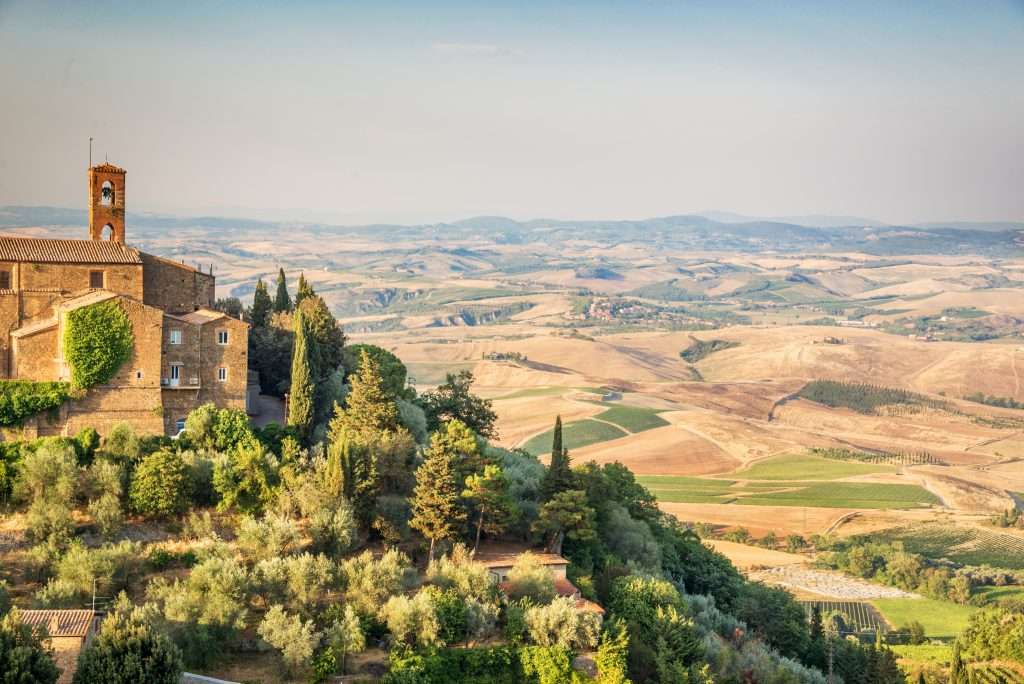
Visiting Montalcino provides a chance to explore vineyards, wineries, and tasting rooms, allowing wine lovers to experience the meticulous production process, from vine to bottle. It is also a cultural journey, as Montalcino’s medieval townscape and panoramic landscapes enrich the sensory experience of enjoying a glass of Brunello or Rosso.
To Conclude…
In summary, Brunello and Rosso di Montalcino offer two distinct but complementary experiences of Tuscany’s renowned Sangiovese wines. While Brunello showcases depth, structure, and long aging potential, Rosso provides immediate enjoyment and approachable elegance. Both are governed by strict disciplinary rules, ensuring authenticity and quality.
Whether you are a seasoned wine collector or a curious traveler, exploring Montalcino’s wines offers a deep dive into Tuscany’s rich viticultural heritage, combining history, culture, and extraordinary flavor. Enjoying a glass of Brunello or Rosso di Montalcino is more than a taste experience, it is a connection to the heart of Tuscany itself.