


Mediterranean for Athletes: How Italy’s Culinary Culture Fuels Performance
The Mediterranean diet isn’t just another health trend, it’s a living cultural practice rooted in Italy’s daily life, from market rituals to family meals. UNESCO recognizes it as intangible cultural heritage, emphasizing not only the ingredients but also the skills, conviviality, and traditions around growing, cooking, and sharing food.
That cultural depth explains why the Mediterranean model travels so well from the home kitchen to the training ground and why it’s increasingly the backbone of smart sports nutrition.
What “Mediterranean” really means for athletes
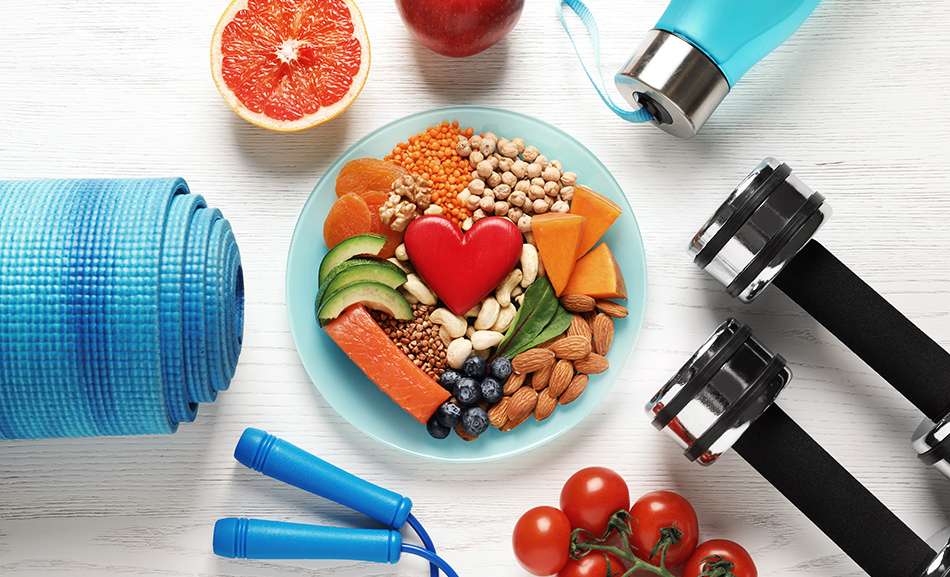
In practice, the pattern favors plants first (vegetables, fruit, whole grains, legumes, nuts), extra-virgin olive oil as the main fat, regular fish/seafood, moderate dairy (yogurt, cheese), poultry and eggs in moderation, and little red/processed meat and sweets. For athletes, that translates into abundant complex carbohydrates, heart-healthy fats, and high-quality proteins, the exact mix that supports training, recovery, and long-term health.
Does it improve performance?
Health outcomes are the Mediterranean diet’s most documented benefits. Landmark trials (e.g., PREDIMED) link Mediterranean eating, especially when enriched with extra-virgin olive oil or nuts, to lower cardiovascular risk, a crucial foundation for sustained athletic capacity and healthy aging.
On performance itself, evidence is emerging but promising. A randomized, crossover study found a 6% faster 5K time after just four days on a Mediterranean plan compared with a Western diet, suggesting short-term gains in endurance economy. Newer reviews generally support a positive influence (endurance, strength, and recovery), while also noting heterogeneity across studies and methods, so the effect size likely varies by sport, training status, and adherence.
The athlete’s numbers: carbs, protein, and timing (science-backed)
- Carbohydrates: daily needs scale with training load—rough guideposts are 3–5 g/kg/day for light activity, up to 8–12 g/kg/day during heavy endurance phases. Mediterranean staples (farro, whole-grain pasta, beans, potatoes, fruit) make meeting these targets practical without ultra-processed sources.
- Protein: aim for 1.2–2.0 g/kg/day, distributed across meals/snacks. Per feeding, ~0.3 g/kg (≈20–40 g for most adults) maximizes muscle protein synthesis—easily achieved with Italian foods like legume + grain pairings (pasta e ceci), fish, eggs, yogurt, or ricotta.
- Fats: let extra-virgin olive oil be your default culinary fat; it provides monounsaturated fats and polyphenols supportive of cardiometabolic health. Nuts and oily fish add omega-3s for recovery and inflammation management.
From mediterranean cucina italiana to training table
One power of the Mediterranean approach is that it’s recipe-agnostic yet fits naturally into beloved Italian dishes. Think of these not as “cheat meals,” but as structured performance foods:
- Pre-workout (2–3 hours pre): Spaghetti al pomodoro (moderate portion), a drizzle of EVOO, side salad, and a piece of fruit. You get low-fat, easily digestible complex carbs and some antioxidant-rich tomato without GI overload.
- Top-up (30–60 minutes pre): a banana or a small slice of pane toscano with honey—fast carbs to spare muscle glycogen.
- Post-workout (0–2 hours): Pasta e ceci (carb + plant protein + fiber) or farro with tonno and tomatoes; add EVOO and lemon. This hits the carb-protein window for glycogen resynthesis and muscle repair.
- Main meals on training days:
- Seafood risotto with seasonal vegetables (carbs + complete protein).
- Spaghetti alle vongole (lean protein + carbs + polyphenols from EVOO/parsley).
- Grilled sardines with panzanella (omega-3s + whole-grain bread/vegetables).
- Ribollita (Tuscan bean-and-veg stew): slow carbs, iron, and micronutrients.
- Frittata with spinach and potatoes: compact protein for lunchboxes.
- Snacks: Greek-style yogurt with walnuts and honey; fruit + almonds; ricotta on whole-grain toast with cherry tomatoes and oregano.
All of this respects the cultural DNA of Italian cooking, seasonal produce, legumi, grains, olio buono, while aligning with sports nutrition principles.
Hydration, micronutrients, and “little edges”
- Hydration & electrolytes: water for daily life; add sodium strategically in long, sweaty sessions. Citrus, tomatoes, leafy greens, and legumes help with potassium and magnesium micronutrients tied to muscular function. Guidance is individualized, but the Mediterranean pantry supplies the building blocks.
- Polyphenols & recovery: EVOO, berries, citrus, herbs (rosemary, oregano), and vegetables (artichokes) deliver antioxidants that may support recovery when the diet is balanced overall (no need to megadose supplements).
- Caffeine strategy: espresso has a place before key workouts—dose and tolerance vary; always test in training. Evidence exists for performance benefits, but timing matters. (Follow sport-specific guidance from accredited dietitians.)
Mediterranean Culture as performance asset
UNESCO’s listing highlights that Mediterranean eating is about social habits shopping local, cooking together, eating slowly. For athletes, that culture reduces “decision fatigue,” stabilizes adherence, and sustains energy availability across the season. Training personalization sits on top of a reliable base pattern rather than fighting against it. i
A 1-day Mediterranean athlete menu (example for ~70 kg)
- Breakfast: Whole-grain pane with EVOO and sliced tomato; yogurt with figs; espresso.
- Mid-morning: Orange + handful of almonds.
- Lunch (post-session): Farro salad with chickpeas, cherry tomatoes, arugula, EVOO, lemon; side of grilled sardines.
- PM snack (pre-tune-up): Banana + small ricotta toast.
- Dinner: Spaghetti alle vongole; insalata mista; a small slice of pecorino.
- Evening: Chamomile or mint tea.
This yields ample carbohydrates for training (easily 6–8 g/kg on big days by adjusting portions), 1.2–1.6 g/kg protein without supplements, and predominantly unsaturated fats—all within a delicious, culturally coherent template.