


The Rich History of Olive Oil in Florentine Cooking
Florence, the vibrant heart of Tuscany, is celebrated not only for its Renaissance art and stunning architecture but also for its rich and flavorful culinary traditions. Among the cornerstone ingredients of Florentine cooking, olive oil holds a place of honor, deeply embedded in the region’s history and daily life. This article delves into the rich history of olive oil in Florentine cuisine, exploring its origins, cultural significance, production methods, and its indispensable role in traditional Tuscan dishes. Whether you’re a culinary enthusiast or a history buff, understanding the legacy of olive oil in Florence offers a deeper appreciation of its gastronomic heritage.
The Origins of Olive Oil in Florence
The cultivation of olives and the production of olive oil in Tuscany date back to ancient times. The Etruscans, who inhabited the region before the Romans, were among the first to recognize the value of olive trees, both for their fruit and the oil extracted from them. Olive oil quickly became a staple in the Mediterranean diet, prized for its versatility, health benefits, and rich flavor.
As Florence emerged as a powerful city-state during the Middle Ages, olive oil production flourished, supported by the fertile Tuscan soil and the region’s favorable climate. Monasteries and local farmers played a crucial role in refining olive cultivation techniques, ensuring that Florentine olive oil maintained its high quality and distinct characteristics. Over centuries, the tradition of olive oil production became interwoven with Florentine identity, influencing everything from daily meals to festive celebrations.
Cultural Significance of Olive Oil in Florentine Cooking
In Florentine cooking, olive oil is more than just an ingredient; it is a symbol of the region’s agricultural prowess and culinary excellence. The extra virgin olive oil produced in Florence is renowned for its robust flavor, vibrant green hue, and exceptional quality. This premium oil is integral to a variety of Tuscan dishes, enhancing flavors and providing a healthy alternative to other fats.
Olive oil’s prominence in Florentine cuisine is reflected in its presence at every meal. From breakfast drizzled over fresh bread to elaborate dinners featuring rich meat dishes and hearty pastas, olive oil is indispensable. Its use extends beyond cooking it is also a key component in salads, marinades, and even desserts, showcasing its versatility and integral role in the culinary landscape.
Olive Oil Production in Florence
The production of olive oil in Florence involves a meticulous process that combines traditional methods with modern techniques to ensure the highest quality. Here’s an overview of how Florentine olive oil is made:
Cultivation of Olive Groves
Florentine olive oil begins with the cultivation of olive trees in carefully tended groves. The climate in Tuscany, characterized by hot summers and mild winters, is ideal for olive cultivation. Farmers select specific olive varieties known for their high oil content and desirable flavor profiles, such as Frantoio, Leccino, and Moraiolo.
Harvesting
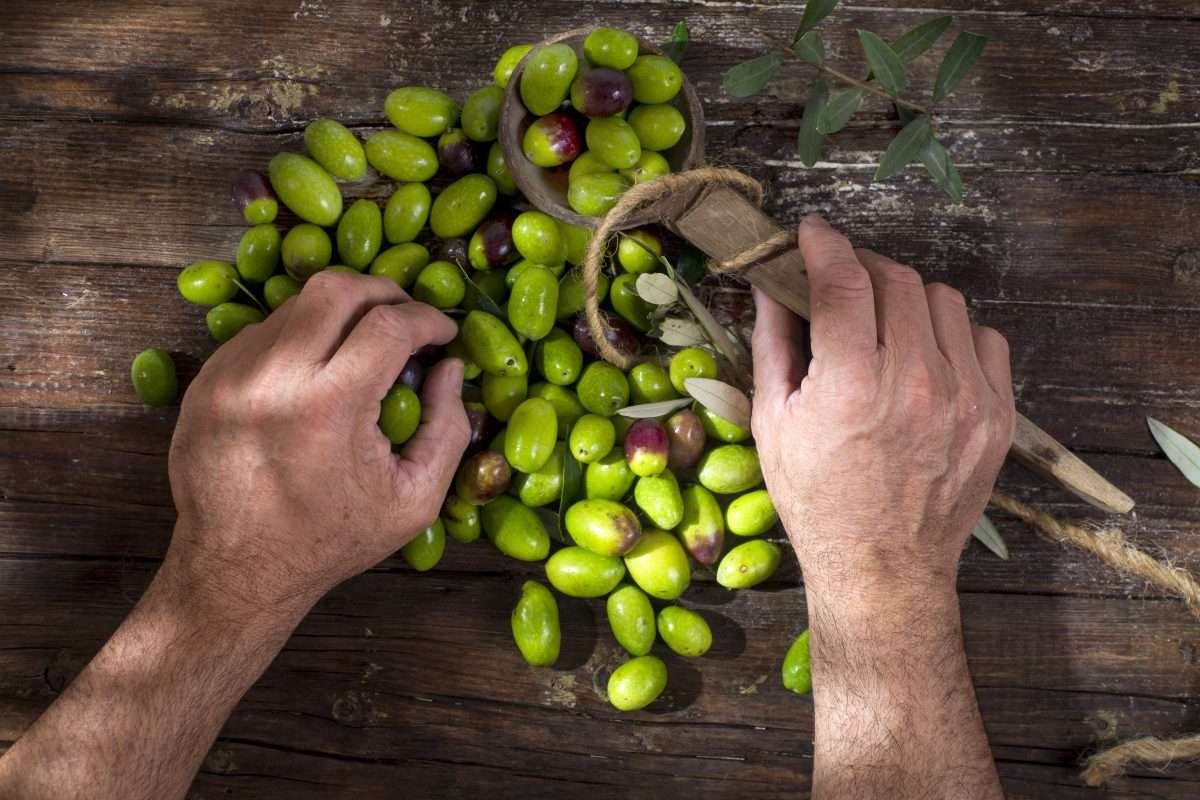
Olive harvesting in Florence typically takes place between October and December. The timing is crucial, as olives must be harvested at the peak of ripeness to produce the best oil. Traditional hand-picking methods are often employed to ensure that the olives remain intact and are not damaged during collection.
Processing
Once harvested, olives are quickly transported to mills to prevent oxidation and preserve their fresh flavor. In the mill, olives are washed and then crushed into a paste using traditional stone mills or modern mechanical crushers. The paste is then subjected to malaxation, a process where it is gently mixed to allow oil droplets to combine.
Extraction
The oil is extracted from the paste using either a traditional press or a modern centrifuge. Extra virgin olive oil, the highest quality, is obtained through cold extraction methods that maintain the oil’s natural flavors and nutritional properties.
Bottling and Storage
After extraction, the olive oil is filtered to remove any remaining impurities and then bottled in dark glass containers to protect it from light, which can degrade its quality. Proper storage is essential to preserve the oil’s flavor and health benefits, ensuring that Florentine olive oil remains a prized commodity.
Traditional Florentine Dishes Featuring Olive Oil
Olive oil is the backbone of many Florentine and Tuscan dishes, enhancing their flavors and adding depth to each bite. Here are some traditional recipes where olive oil plays a starring role:
Bistecca alla Fiorentina
This iconic Florentine steak is a simple yet flavorful dish that relies on high-quality ingredients. A thick, juicy T-bone steak is seasoned generously with salt and freshly ground black pepper, then drizzled with extra virgin olive oil before being grilled to perfection. The olive oil not only adds richness but also helps to seal in the steak’s natural juices.
Ribollita
A hearty Tuscan soup, ribollita is a staple in Florentine kitchens, especially during the colder months. Made with leftover vegetables, beans, and stale bread, this soup is enriched with a generous amount of olive oil, which gives it a smooth, velvety texture and a robust flavor.
Panzanella
A refreshing summer salad, panzanella features chunks of stale bread soaked in olive oil and vinegar, mixed with ripe tomatoes, cucumbers, red onions, and fresh basil. The olive oil acts as a binding agent, bringing together the vibrant flavors and textures of the fresh vegetables and bread.
Crostini Toscani
These delicious toasted bread slices are topped with a variety of spreads, often including liver pâté, tomatoes, or mushrooms, all enhanced by a drizzle of extra virgin olive oil. The oil adds a silky finish and depth of flavor to each bite.
Health Benefits of Olive Oil in Florentine Diet
Incorporating olive oil into the Florentine diet offers numerous health benefits, making it a cornerstone of the Mediterranean diet renowned for promoting longevity and well-being. Some key benefits include:
- Rich in Monounsaturated Fats: Olive oil is high in healthy fats that can help reduce bad cholesterol levels and lower the risk of heart disease.
- Antioxidant Properties: It contains powerful antioxidants like vitamin E and polyphenols, which protect the body against oxidative stress and inflammation.
- Anti-Inflammatory Effects: The compounds in olive oil have been shown to reduce inflammation, which is linked to various chronic diseases.
- Digestive Health: Olive oil aids in digestion and can help prevent constipation by promoting healthy bowel movements.
- Skin and Hair Benefits: Its nourishing properties make olive oil beneficial for maintaining healthy skin and hair.
Preserving the Tradition
Florentine olive oil continues to thrive thanks to the dedication of local farmers, artisans, and chefs who uphold the region’s culinary traditions. Efforts to preserve traditional cultivation and production methods ensure that the rich history of olive oil in Florence remains intact while embracing modern advancements to meet contemporary tastes and standards.
Conclusion
The rich history of olive oil in Florentine cooking is a testament to Tuscany’s enduring dedication to quality, tradition, and culinary excellence. From ancient cultivation practices to modern production techniques, olive oil remains a fundamental ingredient that defines the region’s gastronomic identity. Whether drizzled over a perfectly grilled steak, infused into a hearty soup, or enhancing a fresh salad, olive oil’s versatility and flavor continue to elevate Florentine and Tuscan dishes.
For visitors and residents alike, understanding the legacy and significance of olive oil enriches the culinary experience, offering a deeper appreciation for the flavors that make Florence a world-renowned destination for food lovers. Embrace the tradition, savor the flavors, and discover why olive oil is truly the liquid gold of Florentine cooking.