


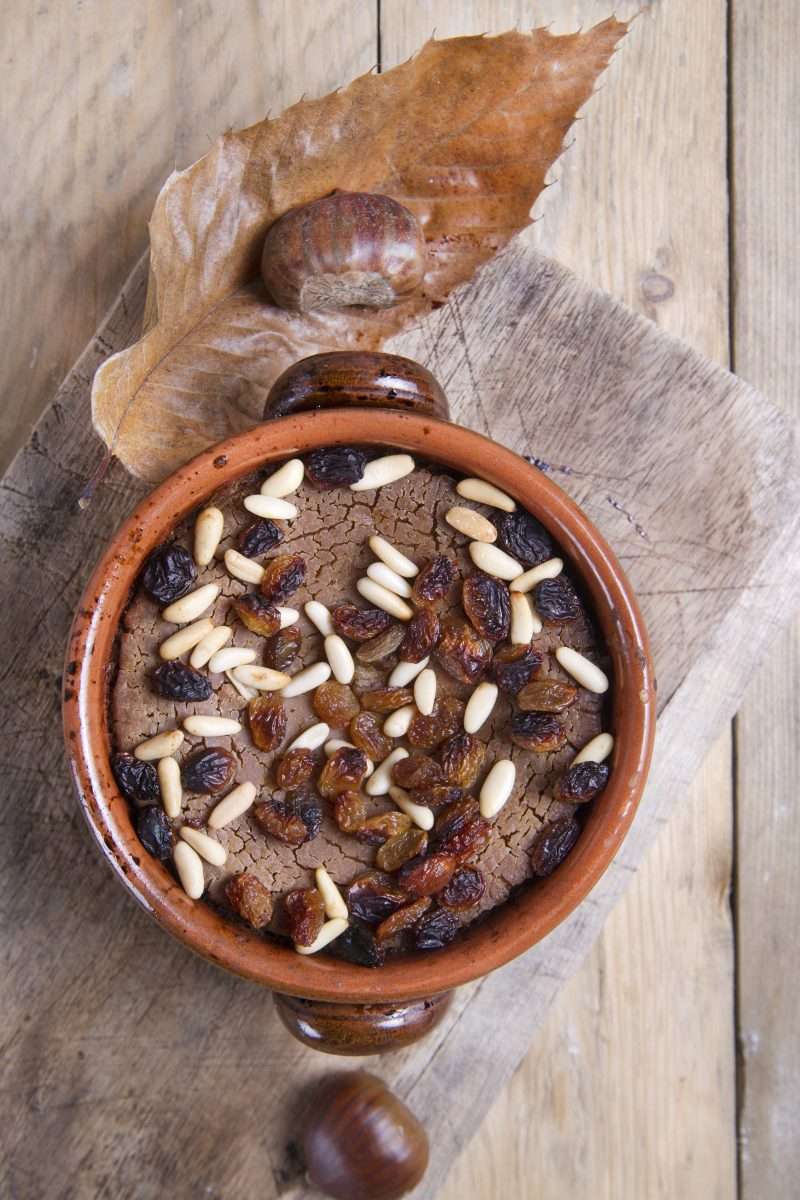
Castagnaccio: Tasting the Traditional Chestnut Cake of Florence
Tuscany, or Toscana, is renowned for its picturesque landscapes, historic cities, and rich cultural heritage. Among its many culinary delights, Castagnaccio stands out as a cherished traditional dessert that offers a taste of Florence’s authentic flavors and rustic charm. This hearty chestnut cake, rooted in the region’s agricultural history, has captivated both locals and food enthusiasts worldwide. In this article, we delve into the origins, ingredients, preparation, and cultural significance of Castagnaccio, guiding you to savor this beloved Florentine treat.
The Origins of Castagnaccio
Castagnaccio has deep roots in the rural areas of Tuscany, where chestnuts were a staple food for centuries. Historically, chestnuts were a reliable source of nutrition during the autumn and winter months when other crops were scarce. The name “castagnaccio” derives from the Italian word “castagna,” meaning chestnut, reflecting the cake’s primary ingredient.
Originally, Castagnaccio was a humble dish prepared by shepherds and farmers who needed a simple, durable, and nourishing meal. The recipe exemplifies the cucina povera—the “poor kitchen” tradition—emphasizing the use of inexpensive, readily available ingredients to create satisfying and flavorful dishes. Over time, Castagnaccio has evolved, incorporating various regional ingredients and techniques, yet it remains a symbol of Tuscany’s enduring culinary heritage.
Key Ingredients and Their Significance
The essence of Castagnaccio lies in its simplicity and the quality of its ingredients. Each component contributes to the cake’s unique texture and rich, earthy flavors:
- Chestnut Flour: The star ingredient, chestnut flour provides a sweet, nutty base that distinguishes Castagnaccio from other cakes. It is naturally gluten-free, making the cake suitable for those with gluten sensitivities.
- Water: Acts as the primary liquid to hydrate the chestnut flour, creating a dense and moist batter.
- Olive Oil: High-quality extra virgin olive oil adds richness and a subtle fruity flavor, enhancing the overall taste.
- Rosmarino (Rosemary): Fresh rosemary sprigs infuse the cake with an aromatic, pine-like fragrance that complements the chestnuts.
- Pine Nuts: Toasted pine nuts add a delightful crunch and nutty flavor, balancing the cake’s soft texture.
- Raisins: These add sweetness and chewiness, providing a contrast to the crunchy pine nuts.
- Olives: Black olives are sometimes incorporated for a savory twist, adding depth and complexity to the flavor profile.
- Salt: A pinch of salt enhances the natural sweetness of the chestnuts and balances the overall taste.
How to Prepare Castagnaccio: A Step-by-Step Guide
Creating an authentic Castagnaccio involves a straightforward process that highlights the natural flavors of its ingredients. Here’s a traditional recipe to help you craft this classic Tuscan cake at home:
Ingredients:
- 300g chestnut flour
- 600ml water
- 100ml extra virgin olive oil
- 2 tablespoons sugar
- 1 teaspoon salt
- 2 tablespoons pine nuts, toasted
- 2 tablespoons raisins
- 1-2 sprigs fresh rosemary
- Optional: Sliced black olives for a savory variation
Instructions:
1. Prepare the Rosemary Infusion:
- In a large mixing bowl, combine the chestnut flour and water, stirring until smooth.
- Add the sprigs of rosemary and let the mixture sit for about 30 minutes to infuse the flavors.
2. Mix the Batter:
- After the infusion, remove the rosemary sprigs.
- Stir in the extra virgin olive oil, sugar, and salt until well combined.
- Fold in the toasted pine nuts and raisins, ensuring they are evenly distributed throughout the batter.
3. Prepare the Baking Pan:
- Preheat your oven to 180°C (356°F).
- Grease a baking pan with a bit of olive oil to prevent sticking.
4. Add Optional Savory Elements:
- If you prefer a savory Castagnaccio, arrange sliced black olives on top of the batter, pressing them slightly into the surface.
5. Bake the Castagnaccio:
- Pour the batter into the prepared baking pan, spreading it evenly.
- Bake in the preheated oven for approximately 40-50 minutes, or until the cake is golden brown and firm to the touch.
6. Cool and Serve:
- Remove the Castagnaccio from the oven and let it cool slightly in the pan.
- Slice and serve warm or at room temperature, garnished with additional pine nuts, raisins, or a drizzle of olive oil if desired.
Regional Variations of Castagnaccio
While the basic recipe for Castagnaccio is widely loved, various regions within Tuscany have developed their own unique twists on this traditional cake:
1. Castagnaccio di Marradi
Originating from the town of Marradi, this variation includes honey and walnuts, adding a sweet and nutty depth to the cake.
2. Castagnaccio della Lunigiana
In the Lunigiana area, Castagnaccio is often enriched with blueberries or other local berries, offering a burst of fruity flavor alongside the chestnuts.
3. Savory Castagnaccio
Some regions incorporate savory elements like olives or pancetta, creating a unique blend of flavors that appeal to those who prefer less sweetness in their desserts.
4. Herb-Infused Castagnaccio
Additional herbs such as thyme or basil can be used to infuse the cake with different aromatic notes, providing a personalized touch to the traditional recipe.
The Cultural Significance of Castagnaccio
Castagnaccio is more than just a cake; it is a reflection of Tuscany’s agricultural history and the cucina povera tradition. This dish symbolizes the resourcefulness and ingenuity of Tuscan cooks who transformed simple ingredients into flavorful and nourishing meals. Castagnaccio is often enjoyed during chestnut harvest season, celebrating the region’s bountiful produce and the communal spirit of sharing food.
Moreover, the rustic nature of Castagnaccio aligns with the Tuscan appreciation for simplicity and authenticity in culinary practices. Whether served as a dessert, a snack, or even a savory dish, Castagnaccio embodies the essence of Tuscan cooking—honest, hearty, and deeply rooted in tradition.
Where to Enjoy Castagnaccio in Florence
While preparing Castagnaccio at home is a rewarding experience, savoring it in its place of origin adds an extra layer of authenticity and enjoyment. Here are some renowned eateries and trattorias in Florence where you can indulge in this classic Tuscan dessert:
1. Trattoria da Burde
Located in the heart of Florence, Trattoria da Burde is famous for its traditional Tuscan dishes, including a standout Castagnaccio. The cozy atmosphere and dedication to authentic recipes make it a favorite among both locals and tourists.
2. Osteria Santo Spirito
Situated in the vibrant Santo Spirito district, Osteria Santo Spirito offers a delightful rendition of Castagnaccio, complemented by an extensive selection of local wines.
3. La Giostra
Renowned for its elegant ambiance and high-quality cuisine, La Giostra serves a refined version of Castagnaccio, often featuring unique toppings and presentations that highlight the cake’s versatility.
4. Il Santo Bevitore
This modern trattoria blends traditional Tuscan flavors with contemporary culinary techniques, offering an innovative take on Castagnaccio that appeals to adventurous diners.
Tips for Making the Perfect Castagnaccio
Achieving the perfect Castagnaccio requires attention to detail and a few insider tips:
1. Use High-Quality Chestnut Flour
Opt for freshly ground chestnut flour from a reputable source to ensure the best flavor and texture. Avoid pre-packaged mixes that may contain additives.
2. Properly Soak and Infuse
Allowing the batter to soak with rosemary or other herbs infuses the cake with aromatic flavors, enhancing its overall taste.
3. Even Distribution of Toppings
Ensure that pine nuts and raisins are evenly distributed throughout the batter to achieve consistent flavor in every bite.
4. Monitor Baking Time
Bake the cake until it is golden brown and firm to the touch. Overbaking can result in a dry texture, while underbaking may leave it soggy.
5. Serve Fresh
For the best texture and flavor, serve Castagnaccio fresh out of the oven or shortly after cooling. It can also be enjoyed the next day, allowing the flavors to meld even further.
Conclusion
Castagnaccio is a quintessential Tuscan dessert that beautifully encapsulates the region’s culinary heritage and rustic charm. Its rich chestnut flavor, combined with the aromatic infusion of herbs and the delightful crunch of pine nuts, makes it a standout dish that continues to enchant both locals and foreign palates. Whether you’re preparing it in your own kitchen or savoring it in a traditional Florentine trattoria, Castagnaccio offers a delicious and authentic taste of Tuscany’s timeless culinary traditions.
Embrace the simplicity and depth of Castagnaccio, and discover why this traditional chestnut cake remains a beloved staple in Florence’s vibrant food scene. With its harmonious blend of flavors and textures, Castagnaccio stands as a testament to Tuscany’s enduring love for quality ingredients and artisanal craftsmanship, inviting you to indulge in a true Florentine delicacy.