


Cooking with Tuscan Wine: Recipes and Culinary Ideas to Savor
Tuscany is synonymous with fine wines like Chianti, Brunello di Montalcino, and Vino Nobile di Montepulciano. But Tuscan wine is not only for drinking it’s also an exceptional ingredient for cooking. Using Tuscan wine in recipes enhances flavors, adds complexity, and brings a touch of elegance to your dishes. Whether you’re simmering a hearty stew, crafting a rich sauce, or even baking, cooking with wine lets you savor Tuscany’s culinary essence. In this guide, we’ll explore how to cook with Tuscan wine, along with delicious recipes and culinary tips.
Why Cook with Tuscan Wine?
Tuscan wines are known for their depth, balance, and richness. Incorporating them into your cooking has several benefits:
- Enhancing Flavors: The acidity and tannins in wine intensify the flavors of meats, vegetables, and sauces.
- Adding Depth: Reductions and sauces made with wine create a luxurious, complex taste.
- Authenticity: Cooking with wine is a cornerstone of Tuscan cuisine, bringing authenticity to your dishes.
Choosing the Right Tuscan Wine for Cooking
Not all wines are created equal when it comes to cooking. Here’s a quick guide to selecting the right type for your recipe:
- Chianti: Perfect for tomato-based sauces, stews, and braised meats due to its fruity and slightly acidic profile.
- Brunello di Montalcino: Rich and bold, it’s ideal for slow-cooked dishes like ossobuco or hearty ragù.
- Vernaccia di San Gimignano: A crisp white wine, perfect for risottos, seafood, and light cream sauces.
- Vin Santo: This sweet dessert wine is great for baking, custards, and glazes.
Recipes with Tuscan Wine
1. Chianti-Braised Beef Stew
A classic Tuscan dish, this slow-cooked beef stew is hearty, flavorful, and infused with the richness of Chianti wine.
Ingredients:
- 1 kg beef chuck, cut into chunks
- 2 cups Chianti wine
- 3 tbsp olive oil
- 2 carrots, diced
- 2 celery stalks, diced
- 1 onion, chopped
- 3 garlic cloves, minced
- 2 cups beef stock
- 2 tbsp tomato paste
- 2 sprigs of rosemary
- Salt and pepper to taste
Instructions:
- Season the beef with salt and pepper, then sear it in olive oil until browned. Remove from the pot.
- In the same pot, sauté onions, carrots, celery, and garlic until softened.
- Stir in tomato paste and cook for 1 minute, then deglaze the pot with Chianti.
- Add the beef back into the pot, pour in the stock, and toss in rosemary.
- Simmer on low heat for 2-3 hours until the meat is tender. Serve with crusty bread or polenta.
2. Risotto al Vino Bianco
A creamy risotto elevated by the fresh, crisp flavor of Vernaccia di San Gimignano.
Ingredients:
- 1 cup Arborio rice
- 1/2 cup Vernaccia di San Gimignano
- 4 cups chicken or vegetable stock, warmed
- 2 tbsp olive oil
- 1 shallot, finely chopped
- 1/2 cup grated Parmesan cheese
- 2 tbsp butter
- Salt and pepper to taste
Instructions:
- Heat olive oil in a pan and sauté the shallot until translucent.
- Add the rice and toast it for 2 minutes.
- Pour in the wine and stir until absorbed.
- Gradually add the warm stock, one ladle at a time, stirring constantly until the rice is cooked and creamy.
- Stir in butter and Parmesan cheese. Season to taste and serve immediately.
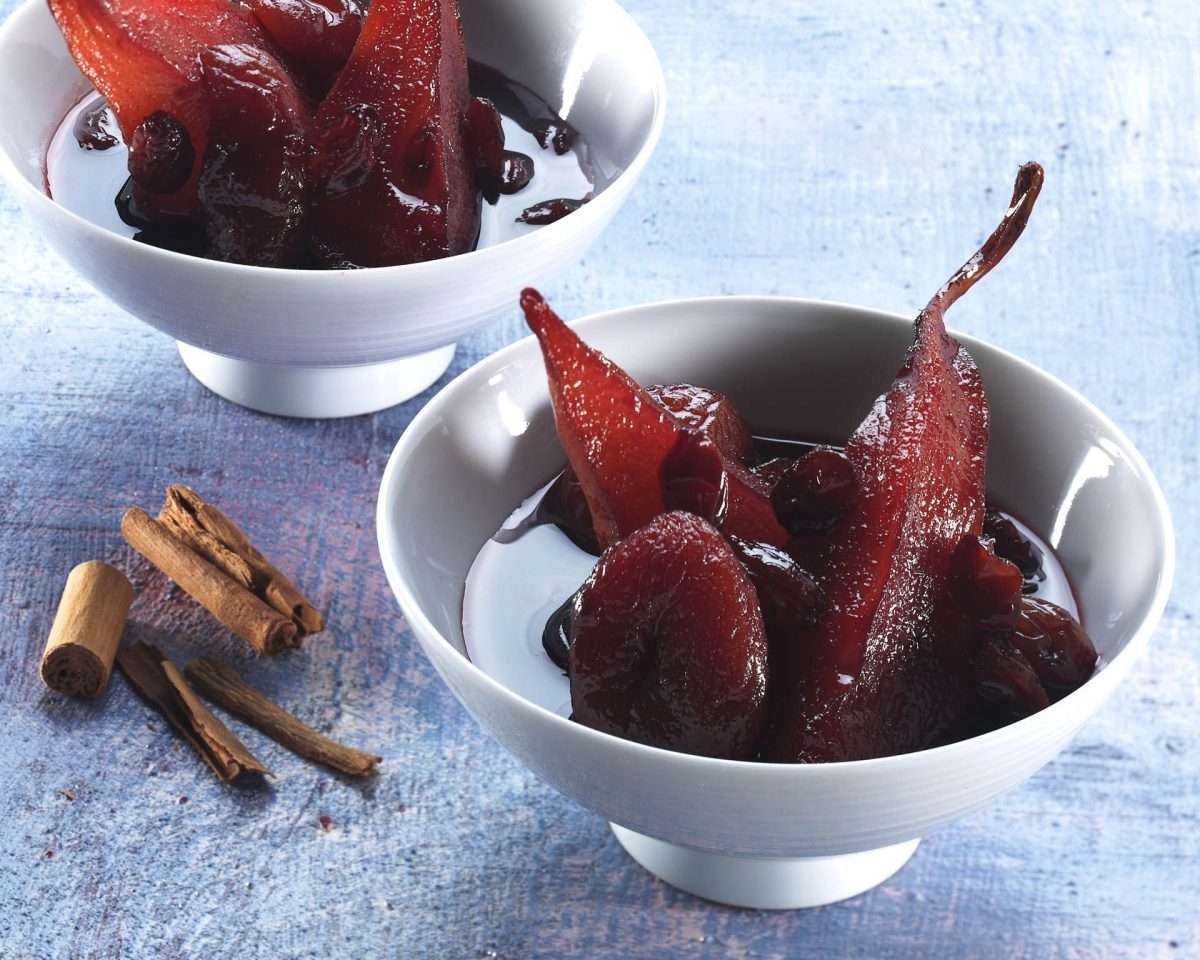
3. Vin Santo Poached Pears
This elegant dessert uses the sweet, nutty flavors of Vin Santo to create a sophisticated treat.
Ingredients:
- 4 ripe pears, peeled and cored
- 2 cups Vin Santo
- 1 cup water
- 1/2 cup sugar
- 1 cinnamon stick
- 2 cloves
Instructions:
- In a saucepan, combine Vin Santo, water, sugar, cinnamon, and cloves. Bring to a simmer.
- Add the pears and cook for 20-25 minutes, turning occasionally, until tender.
- Remove the pears and reduce the liquid to a syrupy consistency.
- Serve the pears drizzled with the syrup and a scoop of vanilla gelato.
Tips for Cooking with Tuscan Wine
- Cook with What You Drink: Use the same high-quality wine you’d enjoy sipping. Avoid cooking wines, as they often lack flavor and contain added salt.
- Balance the Flavors: Pair wine with complementary ingredients. For example, use red wine for rich, meaty dishes and white wine for lighter fare like seafood and chicken.
- Reduce for Intensity: Allow the wine to reduce during cooking to concentrate its flavors.
- Don’t Overdo It: Wine should enhance the dish, not overpower it. Stick to the recommended quantities.
How to Serve Dishes Cooked with Wine
- Pair your meal with the same wine used in the recipe for a seamless dining experience.
- Serve with rustic Tuscan bread to soak up sauces and gravies.
- Add a side of fresh seasonal vegetables, like sautéed spinach or roasted asparagus, to complement the meal.
Why Cook with Tuscan Wine?
Cooking with Tuscan wine brings the region’s culinary traditions to life. The fruity, earthy, and bold characteristics of Tuscan wines add a depth of flavor that’s hard to replicate with other ingredients. Whether you’re crafting a savory stew or a delicate dessert, Tuscan wine enhances the experience, making every bite and sip a celebration of Tuscany.
Elevate your cooking and bring the heart of Tuscany into your kitchen by experimenting with these recipes. The combination of authentic ingredients and fine Tuscan wine will transport you straight to the rolling hills and sunlit vineyards of this enchanting region. Cheers to cooking and savoring with wine!