


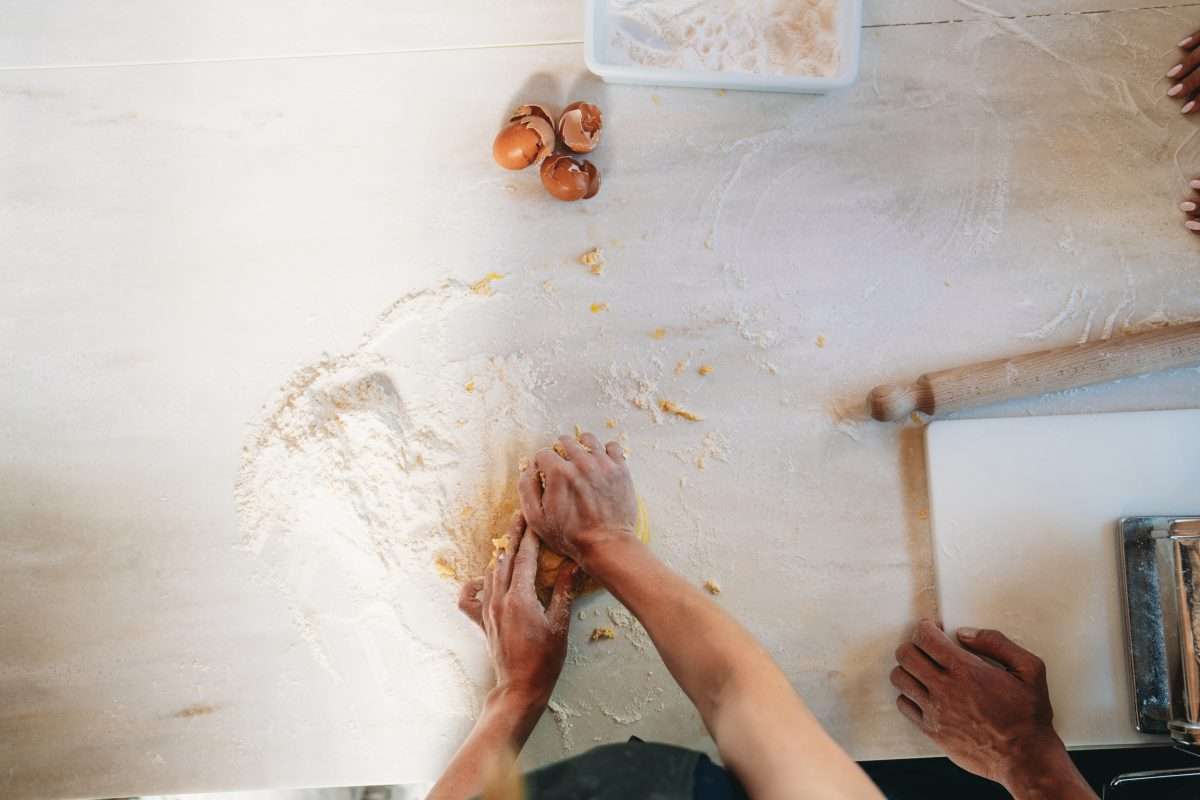
Florentine Pasta Recipes for Winter: Comforting Dishes to Warm Your Soul
Florence, the heart of Tuscany, is renowned for its art, culture, and gastronomy. Among its culinary treasures, pasta dishes hold a special place, offering rich flavors and comforting warmth during the cold winter months. From hearty sauces to simple yet flavorful ingredients, Florentine pasta recipes are a testament to Tuscany’s culinary tradition.
In this article, we’ll explore some of the best Florentine pasta recipes for winter, showcasing how to bring the flavors of Florence to your table. These dishes are perfect for cozy dinners, family gatherings, or simply indulging in the timeless appeal of Italian cuisine.
1. The Essence of Florentine Cuisine in Winter
Florentine cuisine is rooted in simplicity, relying on high-quality, seasonal ingredients to create bold flavors. In winter, the focus shifts to comforting dishes made with hearty vegetables, robust meats, and aromatic herbs. Pasta is a staple in Florentine kitchens, serving as the perfect canvas for sauces and toppings that reflect the season.
Common ingredients in Florentine pasta recipes include:
- Pecorino Toscano: A sharp, salty cheese often grated over pasta.
- Cavolo Nero (Black Kale): A key ingredient in many Tuscan winter dishes.
- Wild Boar and Rabbit: Used in rich, game-based ragùs.
- Porcini Mushrooms: A flavorful addition to creamy and earthy pasta sauces.
2. Classic Florentine Pasta Recipes for Winter
a. Pappardelle al Ragù di Cinghiale (Pappardelle with Wild Boar Ragù)
A quintessential Florentine dish, this hearty pasta is perfect for cold winter evenings.
Ingredients:
- 500g pappardelle (wide ribbon pasta)
- 400g wild boar meat (cubed)
- 1 onion, 1 carrot, and 1 celery stalk (finely chopped)
- 2 garlic cloves (minced)
- 1 cup red wine
- 400g canned tomatoes
- Olive oil, rosemary, and bay leaves
Preparation:
- Marinate the wild boar in red wine, rosemary, and garlic overnight.
- Sauté the chopped vegetables in olive oil until soft, then add the drained boar meat.
- Pour in the wine and let it evaporate before adding the tomatoes, rosemary, and bay leaves.
- Simmer for 2-3 hours until tender.
- Serve the ragù over freshly cooked pappardelle, topped with grated Pecorino Toscano.
b. Tagliatelle ai Funghi Porcini (Tagliatelle with Porcini Mushrooms)
This earthy and aromatic dish highlights the flavors of Tuscany’s prized porcini mushrooms.
Ingredients:
- 400g tagliatelle (or fettuccine)
- 300g fresh or dried porcini mushrooms
- 2 garlic cloves
- 50ml white wine
- Fresh parsley and olive oil
- Parmesan cheese for topping
Preparation:
- Sauté garlic in olive oil until golden, then add sliced porcini mushrooms.
- Deglaze the pan with white wine and let it evaporate.
- Toss the cooked tagliatelle in the mushroom mixture and garnish with fresh parsley and grated Parmesan.
c. Lasagne alla Fiorentina (Florentine Lasagna)
Unlike traditional lasagna, the Florentine version often includes spinach and ricotta for a lighter yet flavorful twist.
Ingredients:
- Fresh lasagna sheets
- 500g ricotta cheese
- 200g spinach (blanched and chopped)
- 500ml béchamel sauce
- Grated Parmesan cheese
Preparation:
- Mix ricotta with chopped spinach, salt, and pepper.
- Layer the lasagna sheets with the ricotta-spinach mixture, béchamel, and a sprinkle of Parmesan.
- Repeat layers and bake at 180°C for 30-40 minutes until golden and bubbling.
3. Seasonal Florentine Ingredients to Elevate Your Pasta
Florence’s winter recipes often incorporate ingredients that add depth and richness to the dishes. Here are a few you can use to enhance your pasta:
- Truffles: Shave fresh black truffles over tagliolini for a luxurious touch.
- Chestnuts: Add roasted chestnuts to pasta sauces for a sweet, nutty flavor.
- Cavolo Nero: Incorporate this hearty green into dishes like pasta e fagioli (pasta and beans).
4. Pairing Florentine Pasta with Tuscan Wines
No Florentine meal is complete without a glass of Tuscan wine. Here are some pairing suggestions:
- Chianti Classico: Pairs beautifully with rich meat-based ragùs.
- Vernaccia di San Gimignano: A crisp white wine that complements mushroom-based pasta dishes.
- Brunello di Montalcino: Ideal for hearty dishes like lasagna and pappardelle al ragù.
5. Where to Taste Authentic Florentine Pasta in Tuscany
For those planning a winter visit to Tuscany, here are some must-visit places to experience authentic Florentine pasta dishes:
- Trattoria Mario (Florence): Famous for its traditional pappardelle al cinghiale.
- Osteria Vini e Vecchi Sapori (Florence): Known for its seasonal porcini and truffle pasta.
- Antica Trattoria da Tito (Florence): A local favorite offering a variety of hearty pasta dishes.
Therefore…
Florentine pasta recipes are the perfect way to embrace the warmth and richness of Tuscany’s culinary heritage during the winter months. Whether you’re savoring a plate of pappardelle al ragù di cinghiale or indulging in a creamy tagliatelle ai funghi porcini, these dishes bring the authentic flavors of Florence to your table.
This winter, try recreating these recipes at home or plan a gastronomic journey to Tuscany to experience the true essence of Florentine cuisine. With every bite, you’ll discover why Tuscany is celebrated as one of the world’s greatest culinary destinations.