


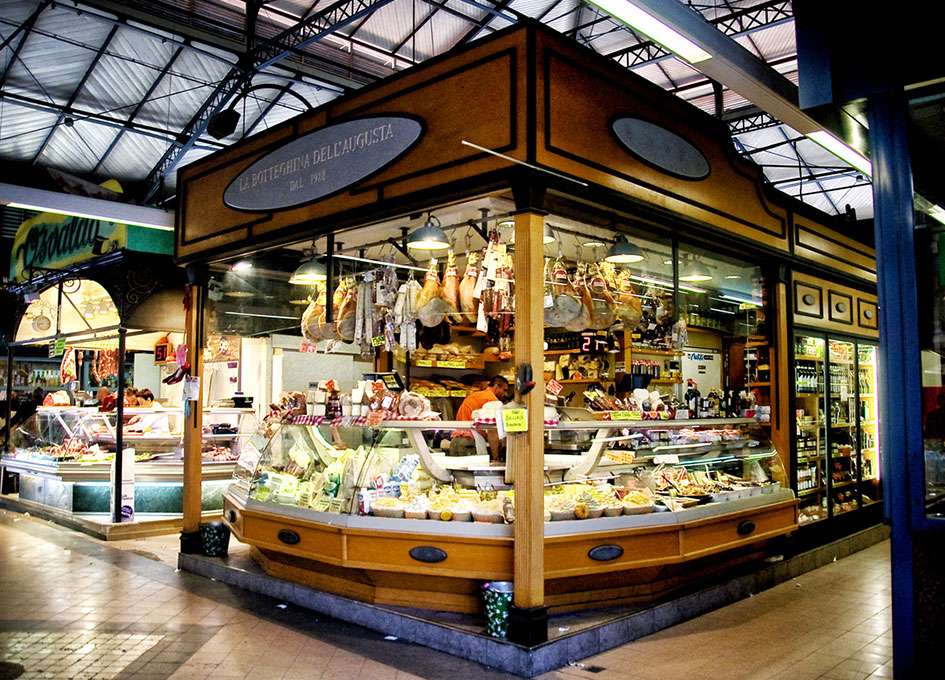
Historic Culinary Landmarks to Visit in Florence: A Journey Through Time and Taste
Florence is a city where every stone tells a story. Known as the cradle of the Renaissance, this Tuscan jewel also boasts a culinary tradition that is deeply rooted in centuries of history, local ingredients, and time-honored recipes. For food lovers and culture seekers alike, discovering the historic culinary landmarks of Florence offers a rich, immersive experience that blends art, heritage, and flavor.
If you’re looking for the best places to taste traditional Florentine food while learning about its history, this guide is your perfect starting point.
The Origins of Florentine Cuisine
Florentine cuisine is built on the principles of “cucina povera”, or peasant cooking, simple, seasonal, and waste-free. Recipes like ribollita, pappa al pomodoro, trippa alla fiorentina, and the iconic bistecca alla fiorentina are examples of how humble ingredients became culinary masterpieces.
The best way to understand this cuisine is to visit the places where it was born and evolved: historic osterie, traditional markets, and time-honored bakeries that have served generations of Florentines.
1. Mercato di Sant’Ambrogio
Located in the Sant’Ambrogio neighborhood, this indoor market dates back to the 19th century and remains one of the most authentic places to experience everyday Florentine food culture. Here you’ll find stalls selling seasonal vegetables, aged pecorino, hand-cut prosciutto, fresh pasta, and tripe, the base for lampredotto, Florence’s famous street food.
Don’t miss: The small trattorie inside the market serving freshly cooked meals to locals. One of the most recommended in 2025 is Trattoria da Rocco, where you can eat a full meal for under €10.
2. Antico Vinaio and the Rise of the Schiacciata
One of the biggest street food phenomena in Florence is the schiacciata ripiena, a crispy flatbread stuffed with everything from truffle cream to finocchiona salami. And at the heart of this trend is All’Antico Vinaio, a historic eatery just steps from Piazza della Signoria.
Founded in the 1990s but inspired by Florence’s traditional wine and sandwich shops, this location now has a cult following. Expect long lines, even in 2025, but also expect one of the most flavorful bites in the city.
3. Trattoria Mario: A Temple of Bistecca alla Fiorentina
If you want to try the real bistecca alla fiorentina, few places are as legendary as Trattoria Mario, open since 1953 and located near the Mercato Centrale. This tiny, no-reservations restaurant serves authentic Florentine dishes, using locally sourced Chianina beef, grilled rare and served on the bone.
Travel tip: Arrive early for lunch. Trattoria Mario is only open for midday meals and fills up fast with both locals and travelers in the know.
4. Forno Pugi: Bread with a Story
Tuscan bread is famously made without salt, a tradition dating back to a centuries-old salt tax. One of the best places to taste it is at Forno Pugi, a bakery that has served Florentines for over 100 years.
Try their schiacciata all’olio (olive oil flatbread) or pane toscano alongside local cheeses and cured meats. In 2025, this family-run bakery remains a symbol of how Florentine baking traditions are passed from generation to generation.
5. Trippaio del Porcellino: The Soul of Street Food
No exploration of Florence’s food history is complete without tasting lampredotto—a sandwich made from the fourth stomach of the cow, slow-cooked in a savory broth and served in a bun with salsa verde.
The best-known historic stall is Il Trippaio del Porcellino, located near the famous wild boar statue (Il Porcellino). It’s been serving hungry locals and tourists since the early 20th century and is a must-visit for anyone interested in Florentine street food heritage.
6. Cooking Classes in Historic Farmhouses and Villas
To truly immerse yourself in Florentine food culture, consider taking a cooking class in a historic location—like a Renaissance-era villa or a traditional farmhouse in the Chianti hills. These classes often include a tour of local markets, hands-on preparation of recipes like pici pasta or cantucci, and a meal paired with Tuscan wines.
Recommended for 2025: SiChef Florence and Chianti offer cooking experiences that blend culinary education with heritage locations, ideal for families, couples, and foodies.
Where History Meets Flavor…
Florence is more than art and architecture, it’s a city where food has been a way of life for centuries. From humble markets and artisan bakeries to historic trattorie and food stalls, every bite tells a story.
In 2025, as travelers seek more authentic and educational travel experiences, these historic culinary landmarks in Florence offer a genuine way to connect with the past through the pleasures of the table. So come hungry, bring your curiosity, and explore the tastes of Florence, a city where history is always served with flavor.