


Kosher in Tuscany: history, traditions, and rules of Jewish cuisine in Florence
Tuscany is not only Renaissance art and Chianti hills. For centuries it has also been a crossroads of Italian Jewish life, where ritual, recipes and local ingredients met to create a distinctive food culture that still thrives today.
Understanding kosher cuisine in Italy, and especially in Florence, means weaving together three threads: history, tradition, and the practical rules (kashrut) that guide what observant Jews eat and how they prepare it.
A brief history: from “Little Jerusalem” to the green dome of Florence
Jewish presence in Tuscany is documented across the region, but two places crystallize the story. The first is Pitigliano, nicknamed La Piccola Gerusalemme (“Little Jerusalem”). From the late 16th century, the town became a refuge for Jews fleeing papal restrictions, and it developed a synagogue (1598) and a self-sustaining community whose cultural footprint is still visible in its ghetto quarter and ritual sites.
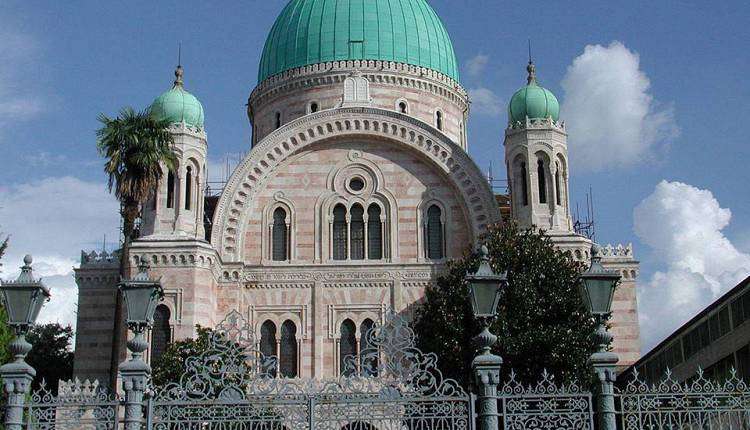
The second is Florence, whose spectacular Great Synagogue, the Tempio Maggiore Israelitico, was built between 1874 and 1882, during the era of Jewish emancipation in the newly unified Italy. Designed by Marco Treves with Mariano Falcini and Vincenzo Micheli, the building’s Moorish-Byzantine vocabulary and iconic green dome signal a confident, modern community anchored in the historic center. Today the synagogue complex also houses the Jewish Museum of Florence, which narrates the community’s timeline through ritual art and everyday objects.
This Florentine hub is not just architectural. It remains the beating heart of the city’s Jewish life, with prayer services, museum visits, and community events coordinated from the site in Via Luigi Carlo Farini.
The rules that shape kosher and Jewish cuisine – Kashrut 101
Kashrut isn’t a cuisine; it’s a set of dietary laws that structures kitchens and menus.
- Permitted species & slaughter: Land animals must both chew the cud and have split hooves (e.g., cattle, sheep); kosher fowl are those with continuous tradition (chicken, duck, goose). Meat must come from ritually slaughtered (shechita) animals; blood is removed before cooking.
- Fish: Only species with fins and visible scales are permitted; shellfish are excluded.
- No mixing meat and dairy: Classic kosher kitchens keep separate cookware, dishes and prep areas for meat and milk; many households color-code or duplicate utensils to avoid cross-use. Foods that are neither meat nor dairy are pareve.
- Kosher wine: Wine requires special supervision and handling from crush to bottling to be considered kosher; labels and agency symbols help consumers verify status.
In Italy, supervision is coordinated by recognized rabbinic bodies. The Union of Italian Jewish Communities (UCEI) runs the national “K.it Kosher Certification” program, while the Rome community publishes detailed kosher product lists that are widely consulted by shoppers and travelers. Always check the latest lists and seals, as certifications can change with ingredients and production lines.
Kosher in Florence today: where faith meets food
If you want to taste kosher cuisine in Florence, start literally next door to the synagogue. Ruth’s Kosher is a long-standing, chalaví (dairy) and vegetarian restaurant that serves traditional Jewish fare with Mediterranean notes; it is closely connected to the local community and describes itself as “the ritual table of the Synagogue.” Expect shakshuka, couscous, dairy pastas, salads and kosher wines in an easygoing setting. Check hours (especially around Shabbat) and consider booking if you plan to visit after touring the museum.
Kosher wine has its own Tuscan story. South of Florence, the Terra di Seta estate near Siena produces Chianti Classico entirely under kosher supervision, all wines, all year, a rarity in Italy and a powerful symbol of how local terroir and Jewish law intersect. Their certifications and DOCG notes are clearly detailed for visitors.
Tuscan-Jewish foodways: from holiday tables to pastry shops
Italian Jewish cooking blends Italkì (native Italian), Sephardi and Ashkenazi threads, filtered through local produce. In Tuscany you’ll encounter dishes that feel both regional and Jewish: olive-oil-based vegetable antipasti (naturally pareve), dairy pastas and fish on weekday menus, and meat roasts or braises for Shabbat always respecting the separation of meat and milk.
One emblematic sweet is sfratti from Pitigliano walnut and honey “sticks” traditionally baked for Rosh Hashanah. Their shape alludes to the sticks once used to “evict” Jews, a painful history transformed into a ritual of hope and sweetness for the new year. You’ll find reliable tellings of the recipe and its symbolism in English-language food writing and Tuscan cooking blogs.
For a deeper dive into the canon, seek out the late Edda Servi Machlin, born in Pitigliano. Her classic books on Italian Jewish cuisine collect recipes and memories from Tuscany and beyond, mapping a world where Sabbath laws, market seasons and village life shaped what ended up on the table.
Practical tips for kosher-observant travelers in Florence
- Plan around Shabbat and holidays: Museum and restaurant hours shift; book early and confirm closing times. The synagogue and museum list up-to-date visiting info.
- Know your labels: Italian supermarkets stock many certified products look for recognizable kosher symbols (OU/OK, K.it, local Beth Din seals) and cross-check with UCEI K.it or the Rome list before you shop.
- Wine matters: If wine is central to your meal or kiddush, consider a visit or tasting of Terra di Seta (or pick up their bottles in Florence).
- Dairy-forward dining: In central Florence, Ruth’s offers reliable dairy/vegetarian kosher fare close to the synagogue; verify supervision details and menus directly with the restaurant.
Why Florence is a compelling lens on kosher traditions
Few places balance heritage and living practice as tightly as Florence. The city’s synagogue an emancipation-era statement piece completed in 1882 anchors a community that still gathers, cooks and celebrates within walking distance of Botticelli and Brunelleschi. Pair a museum visit with a kosher meal, and you’ll feel how kashrut in Italy is not a museum piece at all, but a daily grammar shaping kitchens, holidays and hospitality.