


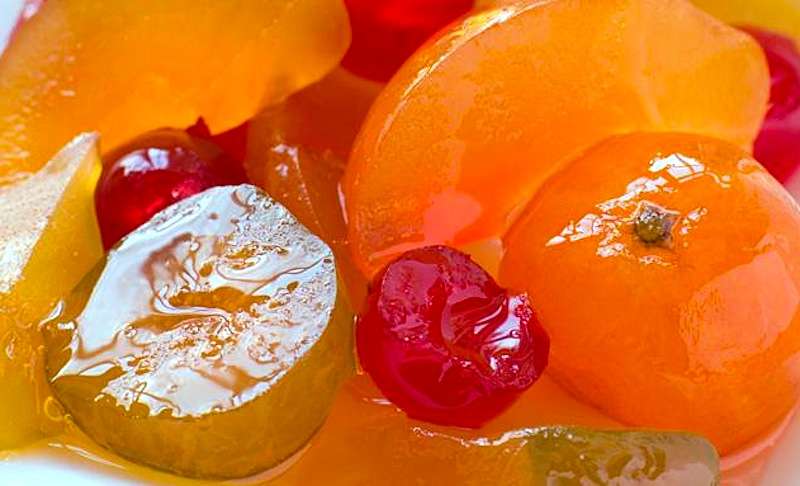
Mostarda: The Italian Holiday Condiment – What It Is and How It’s Made
When winter markets fill with panettone, torrone, and spiced aromas, another classic quietly returns to Italian tables: mostarda. Shimmering jewel-like fruits suspended in a transparent, spicy syrup, or, in some areas, a smooth purée with a fiery kick, mostarda is the go-to condiment for bollito misto (mixed boiled meats), cold roasts, salumi boards, and aged cheeses during the festive season.
If you’ve ever wondered what mostarda is, how it was born, and why it’s so tied to Christmas and New Year, here’s your complete guide.
What Exactly Is Mostarda?
At its core, mostarda is fruit preserved in sugar (whole, in pieces, or as a purée) that’s aromatized with mustard traditionally mustard essential oil (allyl isothiocyanate) or mustard powder/seeds. The result is an intriguing sweet-heat profile: the sugar seduces; the mustard clears the nose with a wasabi-like lift. Unlike French “moutarde” or English mustard, Italian mostarda is not a savory paste. Think of it as a sweet-spicy fruit conserve designed to cut through rich, fatty foods exactly what winter menus serve in abundance.
Two main styles exist:
- Intera o a pezzi (whole/piece): translucent candied fruits, cherries, pears, quince, figs, apricots, citrus, melon, in a glossy syrup.
- Purée/cream: fruit pulped to a spoonable texture, then spiked with mustard (common in Veneto).
Both must deliver a clean, bright burn balanced by true fruit flavor no cloying, no harshness.
A Quick Map of Regional Styles
- Mostarda di Cremona: The most famous “mixed fruit” version multiple whole fruits (or large pieces) candied until translucent, then finished with mustard essence. Colorful, perfumed, and a classic pairing for bollito misto.
- Mostarda di Mantova: Often pear-led (frequently “pera Campanina”) and slightly more assertive in heat; served with boiled meats and grana-style cheeses.
- Mostarda di Voghera: Similar to Cremona, historically prized for distinct, well-defined fruit pieces.
- Veneto/Mostarda Vicentina: Typically a purée, commonly quince, with mustard oil; great with polenta, grilled or boiled meats, and cheeses.
- Emilia & Lombardia countryside: Numerous local variants (including apple and pumpkin mostarde), sometimes labeled with De.Co. (municipal designations) that attest to local heritage.
While you’ll see mostarda across Italy, it has its heartland in the North, where winter meat feasts and cheese boards are staples of holiday hospitality.
How Did Mostarda Begin? Origins and Etymology
Mostarda’s story belongs to the intersection of medieval preservation, spice trade, and monastic/apothecary technique. Before modern refrigeration, cooks used sugar, honey, and grape must to save the season’s fruit. Add mustard, valued since Roman times for its digestive and stimulating properties, and you had a relish that both preserved and balanced heavy foods.
The name likely points to “mustum ardens” (Latin for “burning must”): in parts of Italy, grape must (mosto) was concentrated to a syrup and “ignited” with pounded mustard seeds to create a hot-sweet condiment a precursor to many regional mostarde. Over centuries, as cane sugar became more accessible and distilled mustard essence was produced, the practice evolved into candied fruit with mustard. By the Renaissance, mostarda was a court favorite in Lombardy and beyond, appearing with boiled meats, game, and cheeses during grand winter banquets.
Why It Reappears at Christmas and New Year
Three reasons keep mostarda a holiday essential:
- Seasonal logic: Winter menus in the North lean on boiled and roasted meats (capon, beef shanks, tongue, cotechino). Mostarda’s sweet heat and fruity acidity cut richness without heaviness.
- Preservation calendar: Fruit is candied and jarred through late summer and autumn, then opened for winter feasts.
- Cultural memory: Mostarda sits beside panettone, torrone, and spumante as a marker of celebration traditional, gilded, and convivial.
How Mostarda Is Made – Traditional Method Simplified
1) Fruit selection & prep
Choose firm, aromatic fruit, pears, quince, cherries, apricots, figs, melon, citrus. Peel/stone as needed while keeping shapes intact where possible.
2) Candying (over several days)
- Day 1: Macerate fruit with granulated sugar (often equal weight to fruit) to draw out juices.
- Day 2–3: Slowly heat the released syrup and pour it back over the fruit (without breaking it). Repeat to increase Brix (sugar concentration) gradually, so fruit turns translucent instead of collapsing.
- Optional: a brief poach on the final day to finish the set and clarity.
3) Mustard aromatization
Once fruit is candied and cooled, add mustard essential oil (olio essenziale di senape, handled with care very potent) or a mustard infusion (powder/seeds infused in a little syrup and strained). The goal is a clean nasal heat that blooms on the finish, not a cooked mustard flavor.
4) Riposo & jar
Let flavors marry for a few days before serving. Store in sterilized jars in a cool, dark place; refrigerate after opening.
Safety note: Mustard essence is powerful and can irritate skin/eyes; measure in drops, mix thoroughly, and taste over hours (the heat builds as it diffuses).
How to Serve Mostarda During the Holidays
- With bollito misto: The canonical pairing serve two or three mostarde (pear, mixed fruit, quince purée) alongside salsa verde, cren (horseradish), and frutta senapata for contrast.
- With cheeses: A spoon of mostarda elevates aged cow’s and sheep’s milk cheeses, Gorgonzola dolce, and alpine styles.
- With roasts & pâtés: Slice of capon or pork roast, game terrine, or foie gras with a dab of mostarda is holiday-table magic.
- With charcuterie: Prosciutto cotto, mortadella, and cotechino all welcome the sweet-spicy lift.
Serving tip: Present mostarda well chilled in small bowls; a little goes a long way.
Buying Guide: How to Choose a Good Jar
- Fruit integrity: Pieces should look distinct and translucent, not mushy or neon-dyed.
- Label clarity: Look for clear fruit percentages, sugar, and mustard source (oil vs. powder). Avoid artificial flavorings if you want a traditional profile.
- Heat profile: Traditional jars have noticeable but elegant heat; if you love a big kick, seek brands known for senza compromessi mustard levels.
- Provenance: Cremona, Mantua, Voghera, and Vicenza-area producers often spotlight local fruit and historical methods; some towns maintain De.Co. (municipal heritage) designations.
Can You Make Mostarda at Home?
Yes, particularly the purée style (quince, pear, apple). For a home cook-friendly version:
- Cook fruit with sugar (roughly 70–80% the weight of the fruit) and a squeeze of lemon until soft; blend to a smooth purée.
- Cool slightly, then stir in a measured infusion of mustard powder/seeds (steep in a small amount of hot water for 10–15 minutes, strain) or, cautiously, a few drops of mustard essence.
- Jar, chill, and taste again the next day the heat will “set.” Adjust delicately.
This quicker method won’t produce glass-clear fruit but mimics the sweet-heat signature beautifully and pairs wonderfully with cheese and meats.
Smart Pairings for Holiday Menus
- Bollito misto + Mostarda di Cremona → Lambrusco secco or Barbera: freshness and acidity.
- Blue cheese + quince mostarda → Passito or Vin Santo: sweet vs. spicy harmony.
- Roast pork + pear mostarda → Chianti Classico or Franciacorta Satèn: cut and creaminess in balance.
Mostarda vs. Other Italian Preserves
- Mosto cotto / sapa: cooked grape must sweet, syrupy, no mustard heat.
- Chutneys: relish-like, often with vinegar and spices; mostarda’s identity hinges on the mustard nose and sugar-candied fruit.
- Senapata: sometimes used interchangeably in Northern dialects; context matters, but the mustard-aromatized fruit idea remains central.