


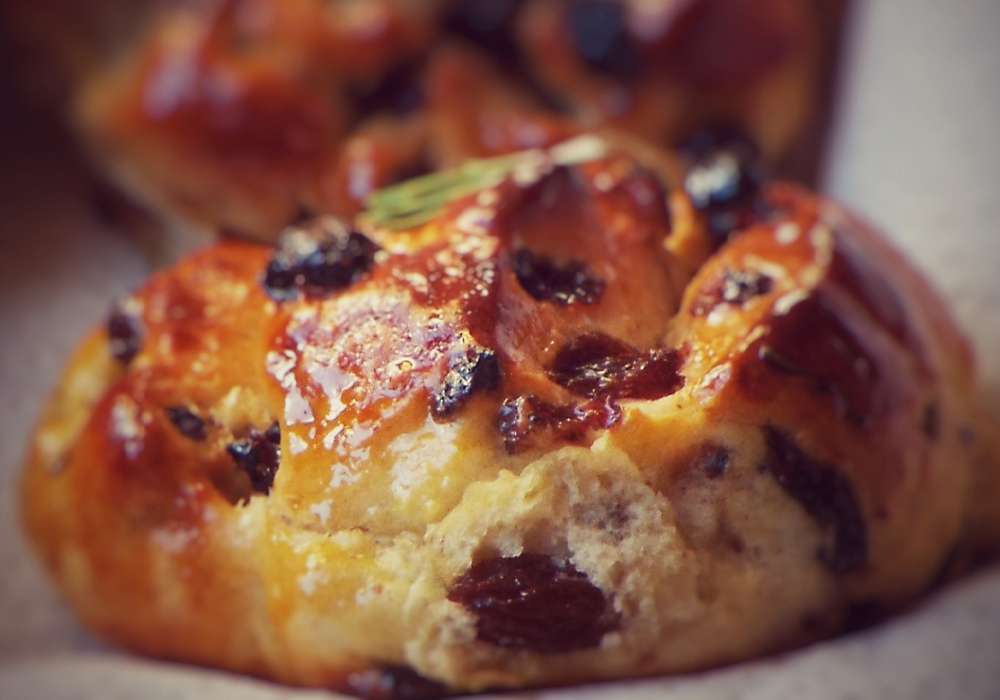
Pane di Ramerino: History, Traditional Recipe, and Variations of a Tuscan Delight
Tuscany is a region famous for its rich culinary traditions, and one of its most beloved yet lesser-known baked goods is Pane di Ramerino. This fragrant, slightly sweet rosemary bread has been enjoyed for centuries, particularly in Florence and the surrounding areas. Originally associated with religious traditions, Pane di Ramerino has evolved into a classic Tuscan specialty, enjoyed year-round.
In this article, we will explore the history of Pane di Ramerino, its traditional recipe, and modern variations, ensuring that both food lovers and baking enthusiasts can appreciate this Tuscan treasure.
The History of Pane di Ramerino
Pane di Ramerino dates back to the Middle Ages, when it was prepared by Tuscan bakers and monks. The word “ramerino” comes from the Tuscan dialect for rosemary, the key ingredient that gives this bread its distinctive aromatic flavor.
Historically, this bread was closely tied to religious customs. It was traditionally baked on Holy Thursday, and it was common for bakers to bless the loaves before selling them. The use of rosemary and olive oil in the dough reflects Tuscany’s agricultural roots, as these ingredients were widely available and deeply embedded in local cuisine.
Over the centuries, Pane di Ramerino transitioned from a strictly religious food to an everyday treat, particularly enjoyed as a snack or breakfast option. Despite this, it has maintained its symbolic and traditional significance in many Tuscan households.
Traditional Recipe for Pane di Ramerino
Making authentic Pane di Ramerino requires just a few simple, high-quality ingredients, characteristic of Tuscan cuisine. Below is the traditional recipe, perfect for recreating this historical bread at home.
Ingredients (makes about 6 small loaves)
- 500g (4 cups) all-purpose flour
- 7g (2 teaspoons) dry yeast or 25g (0.9 oz) fresh yeast
- 200ml (¾ cup) warm water
- 80g (⅓ cup) sugar
- 50ml (3 tablespoons) extra virgin olive oil
- 80g (½ cup) raisins
- 2 sprigs of fresh rosemary
- 1 teaspoon salt
- 1 egg yolk (for glazing, optional)
Instructions
Prepare the raisins
- Soak the raisins in warm water for about 15 minutes to soften them. Drain and set aside.
Infuse the olive oil
- In a small pan, gently heat the olive oil and add the rosemary sprigs. Let the rosemary infuse for a few minutes, then remove it from the oil and let the oil cool.
Activate the yeast
- In a small bowl, dissolve the yeast in warm water and add a teaspoon of sugar. Let it rest for 5–10 minutesuntil it becomes foamy.
Make the dough
- In a large bowl, mix the flour, remaining sugar, and salt.
- Add the infused olive oil, the activated yeast mixture, and start kneading the dough.
- Incorporate the raisins, kneading until the dough is smooth and elastic (about 10 minutes).
- Cover the dough with a clean cloth and let it rise in a warm place for 1–2 hours, until it doubles in size.
Shape the loaves
- Once the dough has risen, divide it into small round loaves (about the size of a fist).
- Lightly score the top of each loaf with a cross or diamond pattern, a traditional decorative touch.
Bake the bread
- Preheat the oven to 180°C (350°F).
- Brush the loaves with egg yolk for a golden crust (optional).
- Bake for 20–25 minutes, until they are golden brown and fragrant.
Cool and enjoy
- Let the bread cool slightly before serving. It pairs beautifully with Tuscan cheeses, honey, or even a glass of Vin Santo.
Modern Variations of Pane di Ramerino
While the traditional recipe remains the most popular, many variations have emerged over the years. Here are some modern takes on this classic Tuscan bread:
1. Whole Wheat Pane di Ramerino
For a healthier version, some bakers substitute white flour with whole wheat flour, adding more fiber while maintaining the bread’s soft texture.
2. Savory Pane di Ramerino
While the original recipe is slightly sweet, a fully savory version can be made by removing the sugar and raisins and adding:
- Black olives for extra depth of flavor
- Parmesan or Pecorino cheese for a richer taste
- Garlic-infused olive oil for a stronger aroma
3. Vegan Pane di Ramerino
To make this bread entirely plant-based, simply:
- Omit the egg yolk glaze
- Use maple syrup or agave nectar instead of sugar for a more natural sweetness
4. Chocolate Pane di Ramerino
For a modern dessert twist, some bakers replace raisins with dark chocolate chips, creating a decadent version of this historic bread.
Why You Should Try Pane di Ramerino
This Tuscan specialty is not just a delicious treat it is a piece of culinary history that connects us to the traditions of ancient Florence. Its combination of rosemary, olive oil, and raisins creates a unique balance of flavors, making it a perfect choice for:
- A traditional Italian breakfast
- An afternoon snack with tea or coffee
- A homemade gift for bread lovers
- A historical and cultural experience in the kitchen
THEREFORE…
Pane di Ramerino is more than just a simple Tuscan bread it is a symbol of history, tradition, and the art of Italian baking. Whether you choose to follow the classic recipe or experiment with modern variations, this bread remains a delightful representation of Tuscany’s culinary heritage.
If you love traditional Italian food, trying Pane di Ramerino is a must. So, why not bring a taste of historic Florenceinto your home and bake a fresh batch today?