


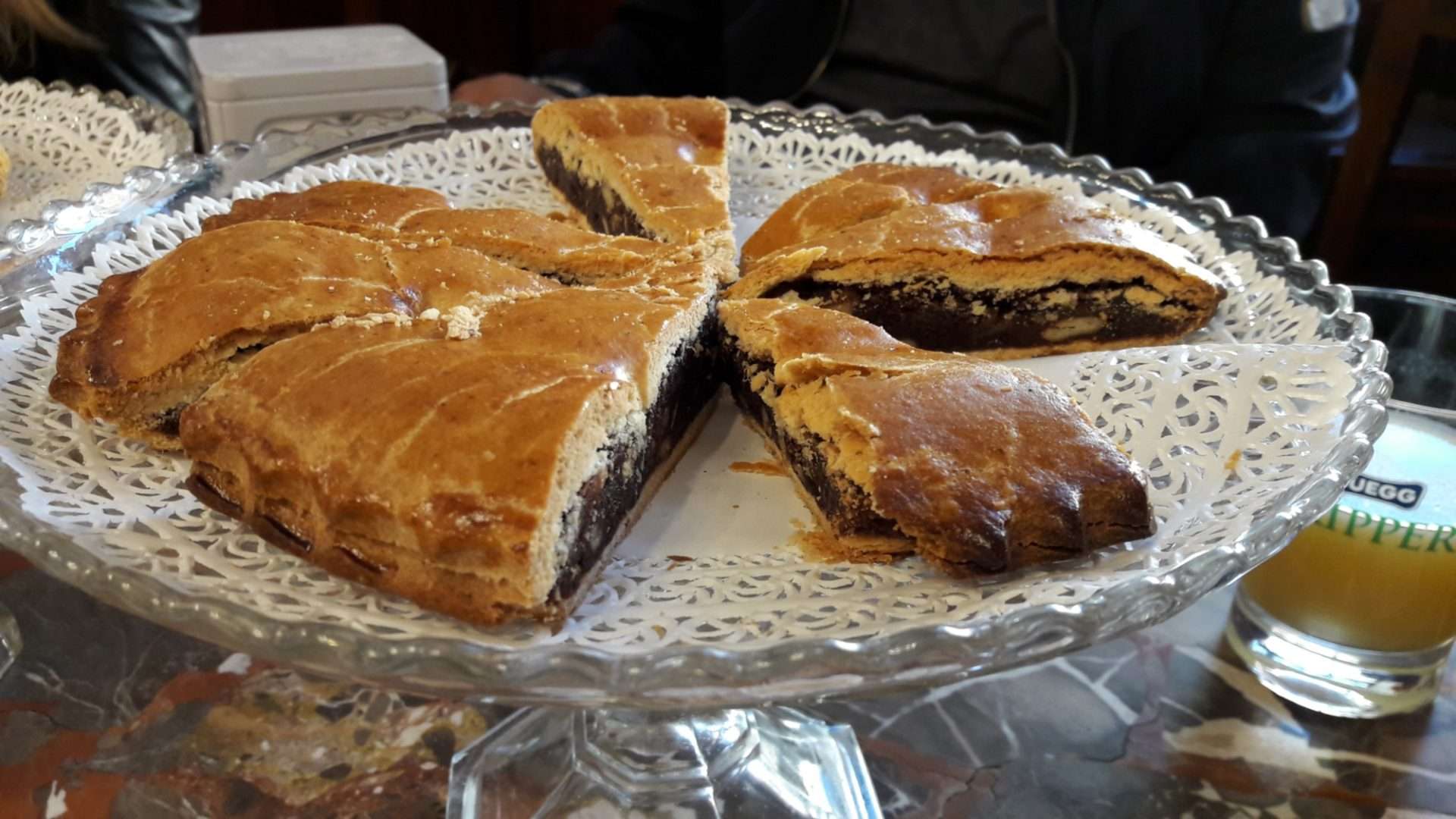
Spongata della Lunigiana: History and Recipe of the Traditional Tuscan Dessert
The Spongata della Lunigiana is one of Tuscany’s most ancient and cherished desserts, with a history that dates back to the Middle Ages. This delicious pastry, filled with a mixture of honey, nuts, and spices, has been a staple of Tuscan holiday traditions for centuries. Originating from the Lunigiana region, which borders Liguria and Emilia-Romagna, Spongata is a true reflection of Tuscany’s rich culinary heritage.
In this article, we will explore the history of Spongata, its deep-rooted traditions, and an authentic recipe to help you recreate this iconic dessert at home.
The History of Spongata della Lunigiana
The name “Spongata” is believed to derive from the Latin word “spongia”, meaning sponge, due to its slightly uneven surface. Historical records suggest that this dessert was introduced to Italy by Jewish communities in the Middle Ages and later became a specialty of the Tuscan and Emilian regions.
Spongata was traditionally prepared for the Christmas season, as the combination of honey, nuts, and dried fruit symbolized prosperity and abundance. Over the centuries, Spongata has remained a significant part of holiday celebrations, often exchanged as a gift among families and friends. Today, this dessert is widely enjoyed across Tuscany, particularly in the Lunigiana region, where its original recipe has been carefully preserved.
Ingredients for Traditional Spongata della Lunigiana
To make authentic Spongata at home, you will need:
For the pastry dough:
- 300 g (2 ½ cups) all-purpose flour
- 100 g (½ cup) unsalted butter, softened
- 100 g (½ cup) granulated sugar
- 1 egg
- 50 ml (¼ cup) white wine
- 1 teaspoon baking powder
- A pinch of salt
For the filling:
- 200 g (1 cup) honey
- 150 g (¾ cup) walnuts, chopped
- 100 g (½ cup) almonds, chopped
- 100 g (½ cup) pine nuts
- 50 g (¼ cup) raisins
- 100 g (½ cup) breadcrumbs
- 1 teaspoon cinnamon
- ½ teaspoon ground cloves
- Zest of 1 orange
- Powdered sugar for dusting
How to Make Spongata della Lunigiana
1. Prepare the Dough
In a large mixing bowl, combine the flour, sugar, and baking powder. Add the softened butter and mix until the mixture resembles coarse crumbs. Incorporate the egg and white wine, kneading until a smooth dough forms. Wrap in plastic wrap and let it rest in the refrigerator for at least 30 minutes.
2. Prepare the Filling
In a saucepan, warm the honey over low heat until it becomes liquid. Remove from heat and mix in the chopped walnuts, almonds, pine nuts, raisins, breadcrumbs, cinnamon, cloves, and orange zest. Allow the mixture to cool completely before using.
3. Assemble the Spongata
Preheat the oven to 180°C (350°F). Roll out half of the dough on a floured surface and place it in a greased tart pan. Spread the filling evenly over the dough. Roll out the remaining dough and cover the filling, sealing the edges tightly. Prick the surface with a fork to allow steam to escape during baking.
4. Bake and Serve
Bake the Spongata for 30–35 minutes, or until golden brown. Let it cool completely before dusting with powdered sugar. For the best flavor, let the Spongata rest for at least 24 hours before serving, as this allows the flavors to meld beautifully.
Tips for Perfect Spongata
- Use high-quality honey to enhance the depth of flavor.
- Let the filling rest overnight for a more intense taste.
- Pair with Vin Santo or a Tuscan dessert wine for an authentic experience.
- Store in an airtight container—Spongata can last for up to a week, making it a perfect make-ahead dessert.
Why You Should Try Spongata della Lunigiana
The Spongata della Lunigiana is not just a dessert—it is a piece of Italian history. With its rich combination of spices, nuts, and honey, it captures the essence of traditional Tuscan sweets. Whether you are celebrating Christmas, looking for an authentic Italian pastry to bake, or simply indulging in a taste of Tuscany, Spongata is a delightful treat worth trying.
Therefore…
Steeped in centuries of tradition, Spongata della Lunigiana remains one of Tuscany’s most treasured desserts. Its unique flavor and history make it an unforgettable part of Italian cuisine. By following this recipe, you can bring a taste of Tuscany into your home and enjoy a dessert that has been loved for generations.