


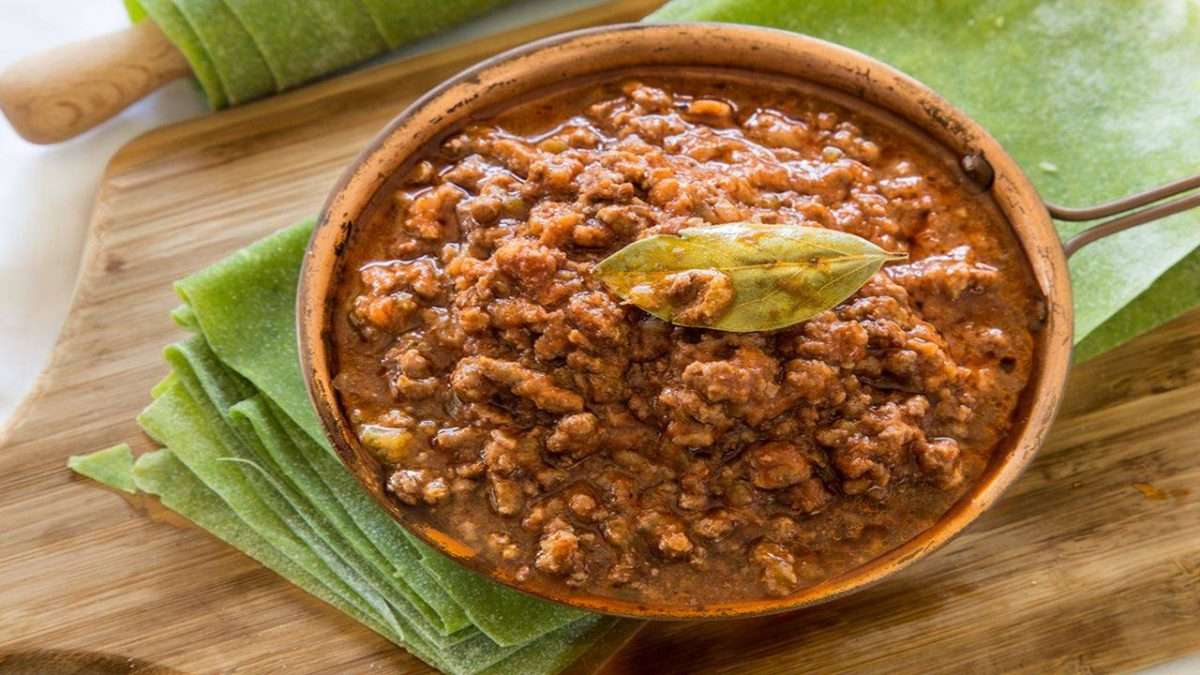
The Florentine Ragù: A Winter Recipe for Special Occasions
When winter arrives, there’s nothing more comforting than a rich and hearty meal shared with loved ones. Florentine ragù, a classic Tuscan recipe, is the perfect dish for special occasions, combining robust flavors, slow-cooked ingredients, and a touch of history. This dish, deeply rooted in Florence’s culinary traditions, elevates simple ingredients into a masterpiece that can warm your heart and soul during the colder months.
In this article, we’ll explore the origins of Florentine ragù, provide a step-by-step recipe, and share tips on how to make this dish the star of your winter table.
1. The Origins of Florentine Ragù
Ragù is a staple of Italian cuisine, with regional variations found throughout the country. Unlike the more famous Bolognese ragù, Florentine ragù has its unique characteristics, reflecting the ingredients and cooking techniques of Tuscany.
Key Features of Florentine Ragù:
- Simplicity: The recipe relies on a few high-quality ingredients.
- Olive Oil: Unlike butter-based ragù, Florentine ragù uses olive oil, a Tuscan staple.
- Rich Flavor: The sauce is enhanced by red wine, aromatic herbs, and a hint of nutmeg, creating a depth of flavor unique to Florence.
- Meat Blend: Traditional recipes often include a mix of beef and pork, ensuring a balance of richness and texture.
Florentine ragù was originally a dish prepared for special occasions, particularly during the winter months when slow-cooked meals were a necessity to keep the family warm and satisfied.
2. Ingredients for Florentine Ragù
To create an authentic Florentine ragù, you’ll need the following ingredients:
Ingredients (Serves 4-6):
- 500g ground beef
- 250g ground pork
- 1 onion, finely chopped
- 1 carrot, finely chopped
- 1 celery stalk, finely chopped
- 2 cloves of garlic, minced
- 500ml tomato puree
- 150ml red wine (Chianti is ideal)
- 3 tbsp extra virgin olive oil
- 1 tsp nutmeg
- 1 bay leaf
- Salt and pepper to taste
- Pappardelle pasta or your preferred type of fresh pasta
3. How to Prepare Florentine Ragù
Step 1: Sauté the Base Ingredients
- Heat the olive oil in a large pan over medium heat.
- Add the chopped onion, carrot, and celery, and cook until softened (about 10 minutes).
- Stir in the garlic and cook for an additional minute.
Step 2: Cook the Meat
- Add the ground beef and pork to the pan.
- Cook over medium heat until the meat is browned and crumbled, ensuring no large chunks remain.
Step 3: Deglaze with Wine
- Pour in the red wine and stir, allowing it to evaporate and infuse the meat with its rich flavor.
Step 4: Add Tomato and Seasonings
- Stir in the tomato puree, nutmeg, and bay leaf.
- Season with salt and pepper, adjusting to taste.
Step 5: Simmer Slowly
- Reduce the heat to low and cover the pan.
- Allow the ragù to simmer for at least 2 hours, stirring occasionally. The longer it cooks, the richer the flavor becomes.
4. Serving Florentine Ragù
The best way to enjoy Florentine ragù is with fresh pappardelle pasta, wide ribbons of pasta that perfectly capture the hearty sauce.
Serving Suggestions:
- Cook the pasta al dente and toss it directly into the sauce.
- Garnish with freshly grated Pecorino Toscano or Parmesan cheese.
- Pair with a glass of Chianti Classico for a truly Tuscan dining experience.
5. Tips for Perfect Florentine Ragù
- Use Quality Ingredients: High-quality meat, fresh vegetables, and authentic Tuscan olive oil are key to achieving the best flavor.
- Patience is Key: Slow cooking allows the flavors to meld together, so don’t rush the process.
- Make it Ahead: Florentine ragù tastes even better the next day, making it an ideal dish to prepare in advance for special occasions.
6. Pairing Florentine Ragù with Tuscan Wines
Tuscan cuisine and wines are inseparable, and Florentine ragù is no exception. Pairing this dish with the right wine enhances its flavors and elevates the dining experience.
Wine Pairing Suggestions:
- Chianti Classico: Its bold flavor complements the richness of the ragù.
- Brunello di Montalcino: A premium option for a truly indulgent meal.
- Vino Nobile di Montepulciano: A versatile choice with earthy notes.
7. Why Florentine Ragù is Perfect for Winter
Florentine ragù is the ultimate winter comfort food. Its warm, rich flavors and hearty texture are ideal for cold evenings, while its elegant presentation makes it suitable for festive occasions. Whether you’re hosting a holiday dinner or enjoying a quiet night at home, this dish brings a taste of Tuscany to your table.
Therefore…
Florentine ragù is more than just a recipe it’s a celebration of Tuscan culinary heritage. Its rich flavors, simple preparation, and versatility make it a go-to dish for winter gatherings. By using high-quality ingredients and following traditional cooking techniques, you can create a meal that’s both comforting and impressive.
So, gather your ingredients, pour a glass of Chianti, and transport yourself to Florence with this timeless recipe. Buon appetito!
Patsy
Thank you, for the delicious recipe and informative post!