


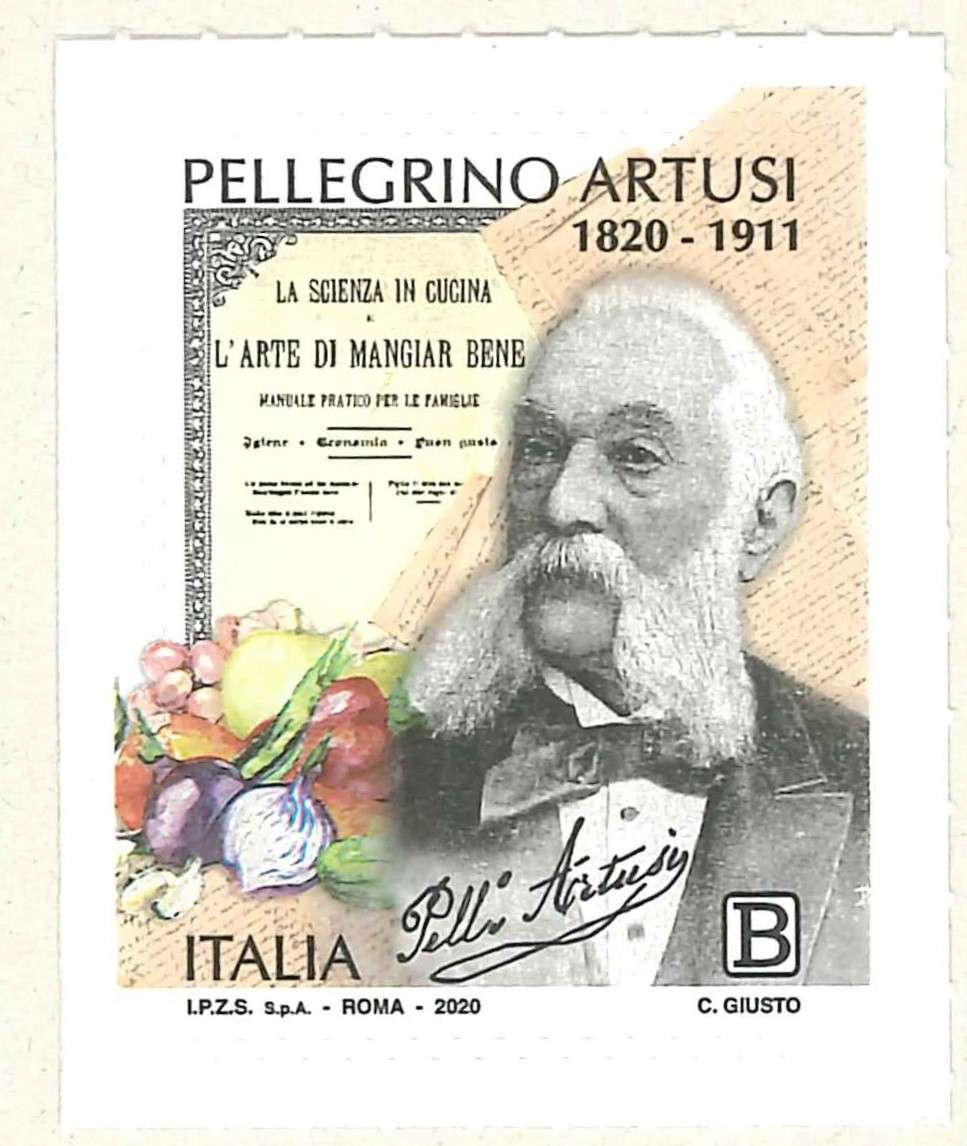
Pellegrino Artusi: History and Legacy of the Father of Tuscan Cuisine
Pellegrino Artusi is widely regarded as the father of modern Italian cuisine, with a particular emphasis on Tuscan culinary traditions. His masterpiece, La Scienza in Cucina e l’Arte di Mangiar Bene (Science in the Kitchen and the Art of Eating Well), first published in 1891, revolutionized Italian gastronomy. Artusi’s influence extends far beyond his native Tuscany, shaping the way Italian cuisine is understood and appreciated worldwide.
This article explores Pellegrino Artusi’s life, his contributions to Tuscan and Italian cuisine, and his enduring legacy in contemporary gastronomy.
The Life of Pellegrino Artusi
Born in Forlimpopoli, Emilia-Romagna, in 1820, Pellegrino Artusi was not a professional chef but a merchant, writer, and passionate gastronome. He grew up in a wealthy family and, in his early years, dedicated himself to business rather than cooking. However, his love for food and literature eventually led him down a different path.
In 1851, a traumatic event changed his life: his home was attacked by bandits, forcing his family to flee to Florence. This move proved to be significant, as Florence was at the heart of Tuscany’s rich culinary heritage. Here, Artusi began collecting recipes and studying Tuscan and Italian cooking traditions.
Retiring from business in his 50s, he devoted himself entirely to writing and gastronomy, culminating in his famous cookbook, which became the foundation of modern Italian home cooking.
La Scienza in Cucina e l’Arte di Mangiar Bene: A Culinary Revolution
In 1891, Artusi self-published La Scienza in Cucina e l’Arte di Mangiar Bene, a collection of 790 recipes gathered from various regions of Italy, with a strong emphasis on Tuscan cuisine. The book was unique for several reasons:
- Written in accessible language: Unlike earlier cookbooks aimed at professional chefs, Artusi’s book was designed for home cooks, making it widely popular.
- A mix of storytelling and recipes: Artusi included anecdotes, humor, and personal reflections, making the book both entertaining and practical.
- Promotion of regional diversity: Though Tuscan cuisine was at its core, the book highlighted dishes from all over Italy, helping to shape a unified Italian culinary identity.
Initially, the book was not an immediate success. However, as word spread, it became a household essential, particularly among middle-class families, who embraced its simple yet refined approach to cooking.
The Essence of Tuscan Cuisine in Artusi’s Work
Tuscany is known for its rustic yet sophisticated cuisine, and many of its iconic dishes were preserved and promoted by Artusi. Some of the most famous Tuscan recipes featured in his book include:
- Ribollita – A hearty vegetable and bread soup, demonstrating the Tuscan tradition of cucina povera (peasant cooking).
- Pappa al Pomodoro – A simple yet delicious tomato and bread soup, showcasing Tuscany’s emphasis on fresh, local ingredients.
- Bistecca alla Fiorentina – One of the most famous Tuscan meat dishes, a thick-cut, grilled T-bone steak, cooked rare.
- Castagnaccio – A traditional chestnut flour cake, symbolizing Tuscany’s deep connection to seasonal and humble ingredients.
Through his book, Artusi preserved and popularized these recipes, ensuring that future generations could appreciate the authentic flavors of Tuscany.
Pellegrino Artusi’s Lasting Legacy
Artusi’s influence on Italian cuisine and culture is immeasurable. His work has:
- Standardized Italian home cooking: Before Artusi, there was no clear definition of what “Italian cuisine” was. His book helped create a shared culinary identity.
- Inspired future generations of chefs: Many of today’s top chefs credit Artusi’s methods and philosophy as foundational to their craft.
- Remained a staple in Italian households: Over a century later, La Scienza in Cucina is still widely used in Italian kitchens, often passed down from generation to generation.
- Given rise to culinary tourism and institutions: His birthplace, Forlimpopoli, hosts an annual Artusi Festival, and the Casa Artusi culinary center is dedicated to studying and preserving his legacy.
Even today, in the era of modern gastronomy and Michelin-starred dining, Artusi’s approach—simple, high-quality ingredients and respect for tradition—remains relevant.
Why Pellegrino Artusi Still Matters Today
As Italian cuisine continues to evolve, Artusi’s philosophy serves as a reminder of the importance of authenticity, simplicity, and regional diversity. His cookbook is not just a collection of recipes but a historical document, reflecting the cultural and social landscape of 19th-century Italy.
For those who want to truly understand Tuscan cuisine, reading Artusi’s work is essential. His recipes, anecdotes, and observations provide a window into the past, while his culinary principles remain timeless.
THEREFORE…
Pellegrino Artusi was more than just a food writer he was a visionary who helped define Italian cuisine as we know it today. His dedication to Tuscan and regional Italian food has left an indelible mark on both home cooking and professional gastronomy.
Whether you are a chef, food lover, or history enthusiast, exploring Artusi’s recipes and philosophy is a journey into the heart of Italian culinary tradition. His legacy lives on, proving that the art of good food and good eating is truly timeless.