


From Wild Boar to Peposo: Cooking Tuscan Classics with a Local Chef
When people think of Tuscany, they often imagine sun-drenched vineyards, medieval villages, and Renaissance art. Yet ask a Tuscan what defines their culture, and many will answer without hesitation: the food. Tuscany’s culinary tradition is as rich and layered as its history, built on simple ingredients elevated by time-honored techniques and a respect for quality.
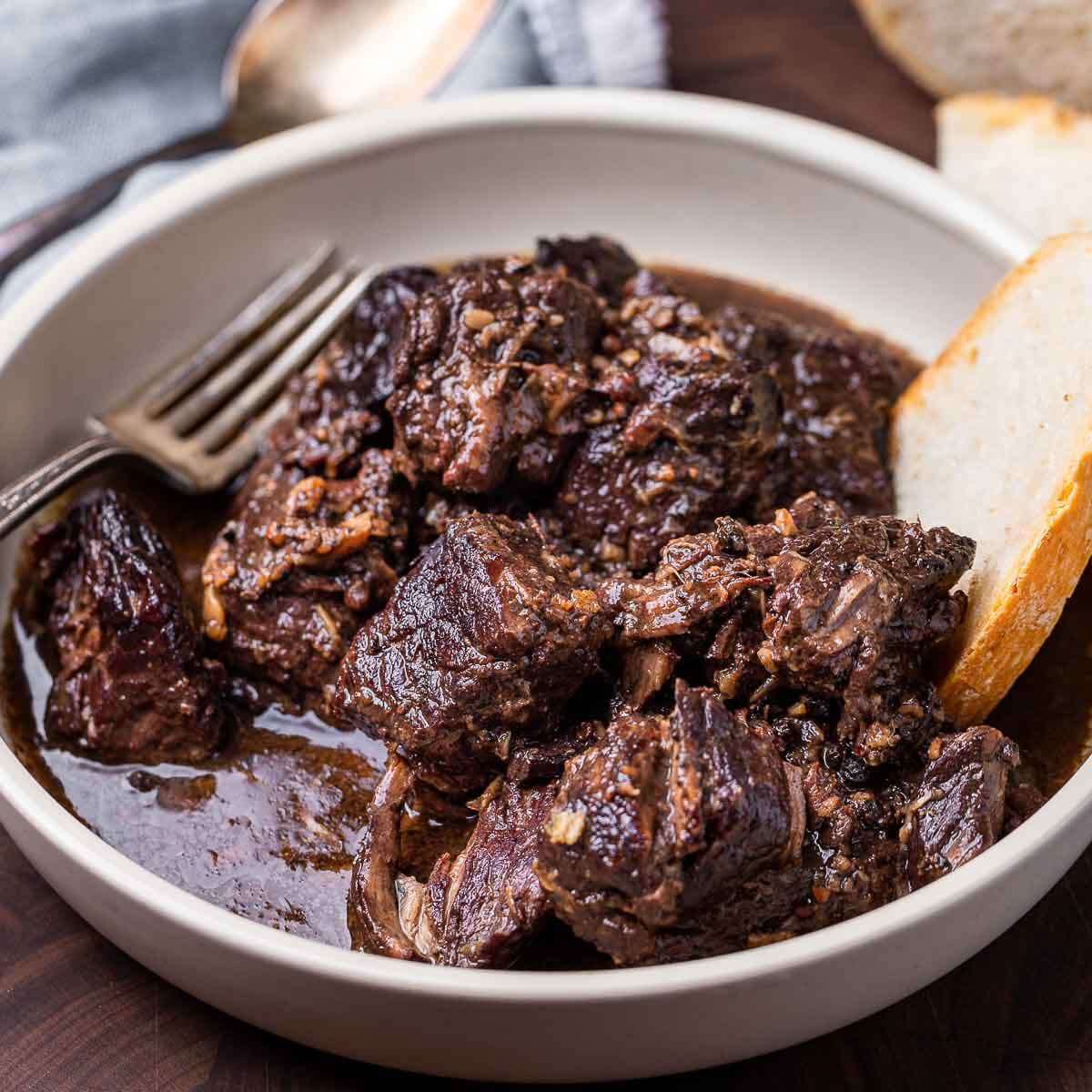
Two of the region’s most iconic dishes, wild boar stew (cinghiale in umido) and peposo, a slow-cooked peppery beef, stand out as perfect examples of rustic Tuscan cuisine. Learning to prepare them isn’t just about following a recipe; it’s about embracing a philosophy of cooking deeply connected to the land. And what better way to explore this than by cooking alongside a local chef in Tuscany, who can share the stories and secrets that bring these classics to life?
Cinghiale in Umido: Tuscany’s Wild Boar Masterpiece
Wild boar is more than just a delicacy in Tuscany, it’s a symbol of the region. The wooded hills around places like Chianti, Maremma, and the Casentino are home to large populations of wild boar, which have been hunted for centuries and celebrated in countless village festivals.
Cinghiale in umido is a hearty stew where chunks of boar meat are marinated in red wine and aromatics to tenderize it and mellow its gamey flavors. It’s then slowly simmered with tomatoes, juniper berries, rosemary, and garlic until it becomes rich and deeply savory.
A local chef will often emphasize:
The importance of the marinade: Often overnight, using robust Tuscan red wines.
Balance of herbs: Too much rosemary or juniper can overpower the dish.
Patience: True cinghiale needs long, slow cooking to reach melt-in-your-mouth perfection.
Learning this dish hands-on is a chance to understand Tuscany’s hunting traditions and how local cooks have turned what was once necessity into a gastronomic art.
Peposo: The Peppered Beef of the Renaissance
If wild boar represents Tuscany’s forests, peposo tells the story of its artisans. This black pepper-heavy beef stew originated in Impruneta, a village south of Florence famous for its terracotta production. According to local legend, during the Renaissance, potters would place cuts of beef shank, plenty of black pepper, garlic, and wine into clay pots, then let them slow-cook for hours in the residual heat of their kilns.
The result is astonishingly flavorful: tender meat infused with peppery heat and a luscious sauce reduced to near syrup. Modern chefs continue this tradition, cooking peposo in heavy clay pots (cocci) to achieve authentic texture.
When preparing peposo with a local chef, you’ll learn:
How to toast and crush peppercorns properly to release oils.
Why no broth or stock is added: just wine and the meat’s juices do all the work.
How long slow simmering transforms humble cuts into something luxurious.
Why Cook with a Local Chef in Tuscany?
While you can certainly find recipes online, there’s something uniquely enriching about learning these dishes from someone whose family has cooked them for generations. A local chef offers:
✅ Authenticity: You’ll hear why their grandmother always used Chianti Classico or why the garlic is smashed instead of minced.
✅ Hands-on techniques: Feel the right texture of marinated meat, learn to judge when the sauce is “just right,” and discover little local tricks — like adding a few juniper berries or an anchovy for extra depth.
✅ Cultural stories: Cooking is storytelling. Between chopping and stirring, chefs share local legends, the history of Tuscan farmers, and the customs tied to these hearty meals.
Many Tuscan cooking classes include a visit to local markets or butchers, where you’ll pick out the perfect cuts of meat and discuss regional differences in recipes. It’s an immersive experience that turns cooking into a journey through Tuscan life.
The Perfect Pairing: Wine and Tuscan Classics
Dishes like cinghiale and peposo are best enjoyed with the wines of Tuscany. A local chef will guide you through why a Chianti Classico or Brunello di Montalcino pairs beautifully with these robust flavors. Often, the same wine used in cooking is poured at the table, linking the meal from pot to glass.
Many cooking classes finish with a leisurely lunch or dinner where you savor what you’ve prepared, seated at a rustic table overlooking olive groves and vineyards, the perfect culmination of a day spent connecting with Tuscany’s soul.
Bringing Tuscany Home: Lasting Skills and Memories
After cooking side-by-side with a Tuscan chef, you’ll leave not just with a recipe, but with new skills and stories that let you recreate these dishes anywhere. You’ll know how to judge the marinade by smell, how long to wait before checking your stew, and why simplicity, patience, and quality ingredients are the essence of Tuscan cuisine.
More Than a Meal
Cooking traditional dishes like wild boar stew or peposo with a local chef is about so much more than mastering recipes. It’s about stepping into the living history of Tuscany, feeling its rhythms, and discovering how food connects family, land, and tradition.
So on your next visit to Italy, or even in planning a culinary adventure from afar, consider seeking out a Tuscan cooking experience. From the first swirl of wine in the pot to the last peppery bite, you’ll taste not just Tuscany, but the centuries of passion and pride that keep its kitchens alive.