


Florentine Cuisine: Traditional Recipes You Can Learn to Make at Home
Florence is renowned around the world for its magnificent art, Renaissance architecture, and vibrant piazzas. But equally compelling is its rich culinary heritage. Florentine cuisine, a cornerstone of Tuscan gastronomy, is deeply rooted in simplicity, seasonality, and a reverence for top-quality local ingredients.
What makes Florentine food truly special is how it transforms humble, rustic ingredients into unforgettable dishes. And the best part? Many of these recipes are straightforward enough to recreate in your own kitchen. If you’re passionate about cooking and eager to bring a taste of Tuscany into your home, here are some of the most beloved traditional Florentine recipes to try.
The Heart of Florentine Cuisine: Simplicity and Quality
The secret to Florentine cooking lies not in elaborate techniques or exotic spices, but in the philosophy of letting ingredients speak for themselves. The cuisine is heavily influenced by what locals historically could afford: seasonal vegetables, legumes, leftover bread, and affordable cuts of meat.
This approach has given rise to dishes that are flavorful, nourishing, and surprisingly easy to make, perfect for home cooks looking to master authentic Italian food.
Ribollita: Tuscany’s Iconic Bread Soup
Perhaps no dish better represents Florentine and Tuscan culinary traditions than ribollita. The name means “reboiled,” which hints at its origins as a peasant dish designed to stretch leftovers.
Ingredients typically include:
Stale Tuscan bread (unsalted)
Cannellini beans
Black kale (cavolo nero)
Carrots, onions, celery, and potatoes
Tomato paste and plenty of extra virgin olive oil
The soup is cooked slowly, then layered with slices of bread and left to rest, traditionally overnight, before being reheated. This second boiling thickens it to a comforting, hearty consistency. It’s the perfect dish for cooler days and captures the genius of Tuscan cucina povera (poor kitchen).
Bistecca alla Fiorentina: The Legendary Steak
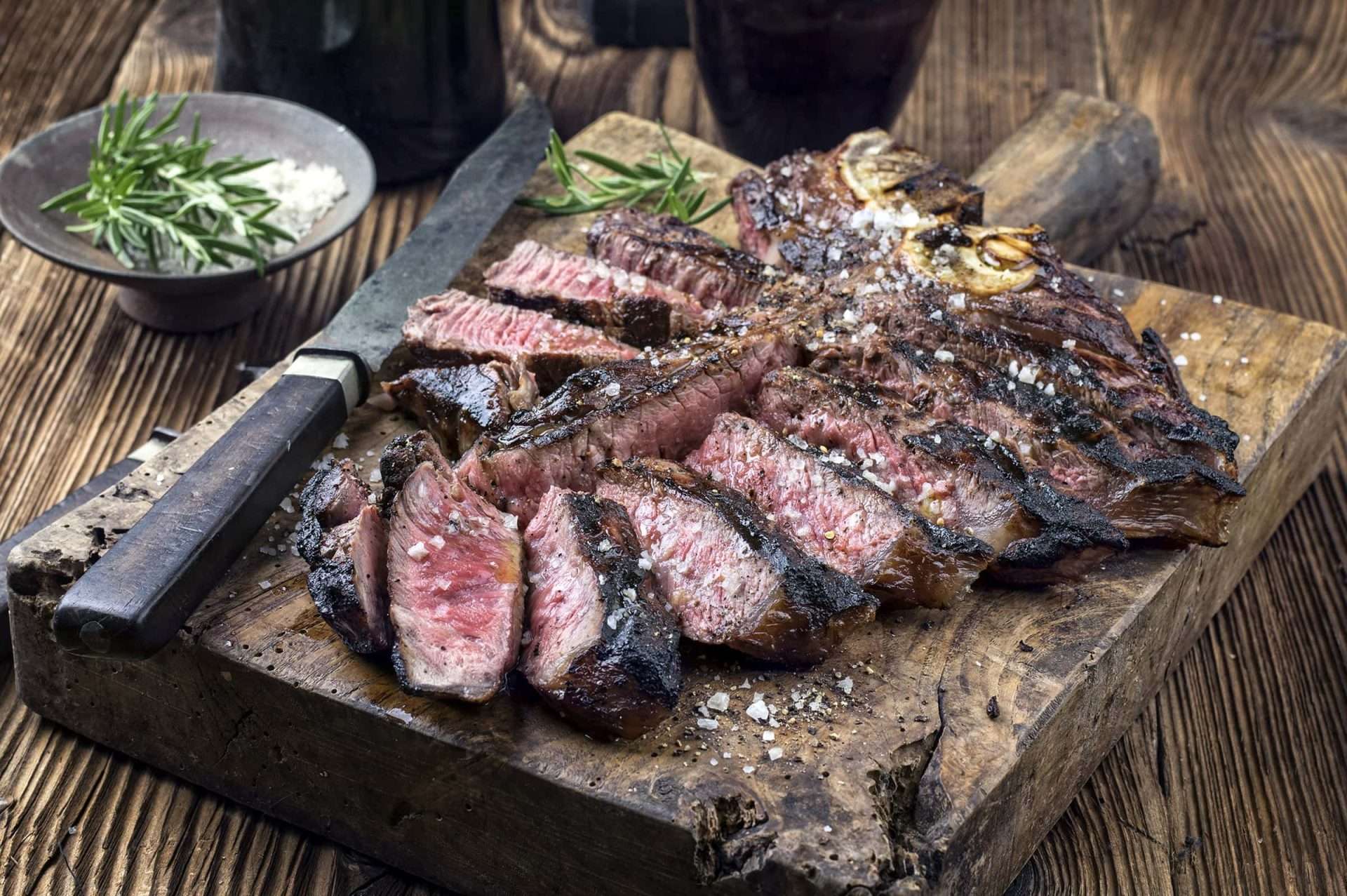
For meat lovers, Bistecca alla Fiorentina is an essential Florentine experience. This massive T-bone steak, typically from local Chianina cattle, is about simplicity and respecting quality.
To prepare it at home:
Choose a thick T-bone (at least 1 kg / 2 lbs), preferably well-aged.
Bring it to room temperature before cooking.
Grill over very high heat for a few minutes on each side to achieve a charred crust and rare center.
Finish with a sprinkle of coarse salt and a drizzle of Tuscan olive oil.
Traditionally, this steak is served rare, so resist the temptation to overcook it. Pair it with a glass of robust Chianti, and you’ll feel transported straight to a trattoria in the Oltrarno district.
Pappa al Pomodoro: Tomato and Bread at Its Best
Another staple that showcases Tuscan ingenuity is pappa al pomodoro, a thick, comforting soup made with ripe tomatoes, garlic, basil, and day-old bread.
How to make it:
Sauté garlic in olive oil, add crushed ripe tomatoes, and simmer.
Tear in stale bread until it absorbs the juices and breaks down.
Season with salt, pepper, and fresh basil.
This dish is typically served lukewarm or even at room temperature, making it perfect for summer lunches.
Schiacciata alla Fiorentina: A Simple Carnival Cake
Florentine cooking isn’t only about savory fare. During Carnival season, locals prepare schiacciata alla Fiorentina, a light, rectangular cake subtly flavored with orange zest and topped with powdered sugar, often adorned with the fleur-de-lis symbol of Florence in cocoa powder.
It’s a delicate dessert that’s surprisingly easy to bake at home. Enjoy it with a cup of espresso or a small glass of Vin Santo.
Why Learning to Cook Florentine Food at Home Is Worth It
Cooking these traditional recipes isn’t just about enjoying great meals, it’s also a way to connect with Tuscany’s deep-rooted culture. Each dish tells a story: of resourceful peasants turning stale bread into delicacies, of festive gatherings where Bistecca alla Fiorentina takes center stage, and of family kitchens fragrant with simmering soups.
Moreover, learning to cook this way encourages a respect for seasonal, local produce and for minimizing waste, principles that feel more relevant than ever today.
Tips for Mastering Florentine Recipes
Use the best olive oil you can find, it’s essential in nearly every dish.
Opt for unsalted Tuscan bread if possible; it behaves differently when soaked into soups.
Don’t rush the process. Many recipes involve slow simmering or resting overnight, which deepens flavors.
Pair with Tuscan wines. A simple bowl of ribollita tastes even better with a medium-bodied Chianti.
Bringing a Slice of Florence Into Your Kitchen
Florentine cuisine is about celebrating life’s simple pleasures: good bread, ripe tomatoes, quality meat, and excellent olive oil. By learning to cook these dishes at home, you’re not just feeding your body, you’re participating in a living tradition that’s been handed down through countless Florentine kitchens.
So next time you crave a taste of Tuscany, don’t wait for your next trip to Italy. Roll up your sleeves, pour a glass of red wine, and let these traditional Florentine recipes bring the warmth and soul of Florence right to your table.