


Tuscan Cooking Lessons: Soups, Sauces, and Sweets from the Heart of Florence
Florence, the beating heart of Tuscany, is famous for its Renaissance art, majestic architecture, and romantic streets. Yet beyond the Duomo and the Uffizi lies another equally powerful reason to visit: its rich culinary tradition. Tuscany’s cuisine is a celebration of local flavors, seasonal produce, and recipes passed down through generations.
More and more travelers are choosing to explore this side of Tuscany through Tuscan cooking classes in Florence, where they learn how to prepare authentic soups, sauces, and desserts that reveal the soul of this land. Let’s discover what makes these experiences so special, what you’ll actually learn, and why they’re a must for anyone wanting to understand Tuscany beyond the surface.
The Essential Soups of Tuscany: Simple, Honest, Delicious
Tuscany is a region historically tied to peasant traditions, where nothing was ever wasted. Its classic soups tell this story better than any museum could.
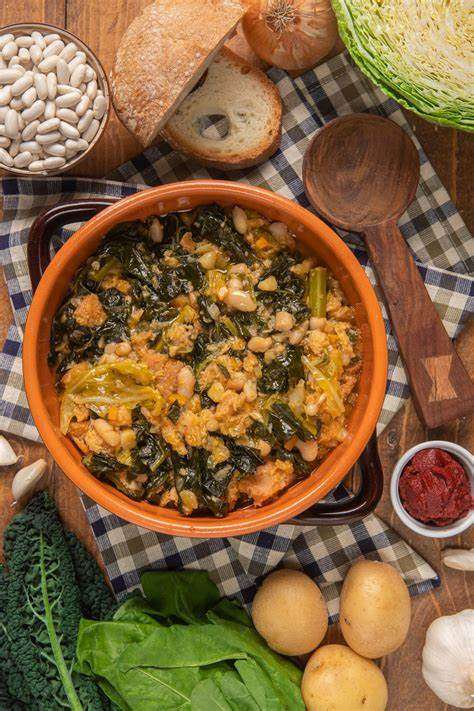
Ribollita: The Twice-Cooked Wonder
Perhaps the most famous Tuscan soup is ribollita, a hearty dish made with leftover bread, cannellini beans, kale or cavolo nero, carrots, and onions. The name literally means “reboiled,” as the soup is often cooked, left to rest overnight, and then reheated the next day, deepening its flavors.
Pappa al Pomodoro: Tomato & Bread at Its Best
Another staple is pappa al pomodoro, a thick, comforting blend of stale bread, ripe tomatoes, garlic, and basil, drizzled generously with local extra virgin olive oil. It’s summer in a bowl, full of sun-drenched flavor.
In most Tuscan cooking classes, you’ll learn how to prepare these dishes from scratch, understanding the importance of using day-old bread and how slow simmering brings out complex tastes.
Mastering the Sauces: The Art of Simplicity
Sauces in Tuscany are never overloaded. They shine precisely because of their restraint and respect for the ingredients.
Ragù Toscano
Unlike the heavier Bolognese, the Tuscan meat ragù typically uses finely chopped beef (sometimes pork or wild boar), slow-cooked with red wine, onions, carrots, and celery. Herbs like rosemary and sage bring it all together. Served with fresh pappardelle, it’s a dish that captures the Tuscan countryside on a plate.
Sugo di Cinghiale
A true delicacy is the wild boar sauce (sugo di cinghiale), often taught in specialized classes. Marinated for hours in wine and juniper berries, the meat becomes tender and aromatic, a favorite during autumn and winter months.
When you join a cooking class in Florence, local chefs or home cooks show you how to build these sauces layer by layer, emphasizing patience, there are no shortcuts in Tuscan kitchens.
Sweet Endings: Desserts with a Tuscan Heart
No Tuscan meal is complete without a taste of something sweet, and cooking classes make sure you don’t miss out on the region’s beloved desserts.
Cantucci & Vin Santo
Perhaps the most iconic pairing is cantucci, crunchy almond cookies, dipped into a glass of Vin Santo, a sweet dessert wine. In a hands-on lesson, you’ll shape the dough, bake it once, slice it, and toast it again to achieve that perfect crispness.
Schiacciata alla Fiorentina
In Florence itself, you might learn to make schiacciata alla Fiorentina, a light, fluffy cake traditionally prepared during Carnival. Often dusted with powdered sugar and decorated with a cocoa fleur-de-lis (the symbol of Florence), it’s a treat that blends simplicity with festive spirit.
Why Cooking in Florence is So Much More than Recipes
A Tuscan cooking class is not just about following steps in a recipe. It’s about learning why things are done a certain way. Why you use stale bread rather than fresh. Why you drizzle olive oil raw over a finished dish. Why certain herbs are tied together and removed before serving.
Most classes include visits to local markets or small food shops, where you’ll pick out produce alongside the chef. You learn to trust your senses, smell, touch, sight, to judge what’s truly fresh.
It’s also about stories: the grandmother who made ribollita every Friday, or the farmer who still presses olives in the old stone mill. Cooking in Florence gives you direct access to a living heritage that’s every bit as beautiful and valuable as the artworks in the Uffizi.
Why These Experiences Are So Popular in 2025
Tourism data and Google trends show growing interest in hands-on culinary experiences in Florence. People are searching more for keywords like Tuscan cooking classes, learn to cook in Florence, and authentic Tuscan food tours.
It reflects a global shift. Travelers today want meaningful experiences that let them participate, not just watch. Cooking, especially with locals who open their kitchens and share family recipes, offers exactly that.
Bringing Tuscany Home: A Lasting Gift
When you join a Tuscan cooking class in Florence, you walk away with more than a few new dishes under your belt. You carry home techniques, stories, and a deeper appreciation for simplicity and quality.
Back in your kitchen, you’ll find yourself recreating a pappa al pomodoro or a plate of cantucci, and for a moment, you’ll be transported back to that sunlit Florentine kitchen, surrounded by laughter, fragrant herbs, and the joy of sharing good food.
So if you’re planning a trip to Tuscany, consider setting aside a day to immerse yourself in its culinary soul. Because among all the treasures Florence offers, the chance to learn how to cook authentic Tuscan soups, sauces, and sweets might just be the most delicious memory you bring home.