


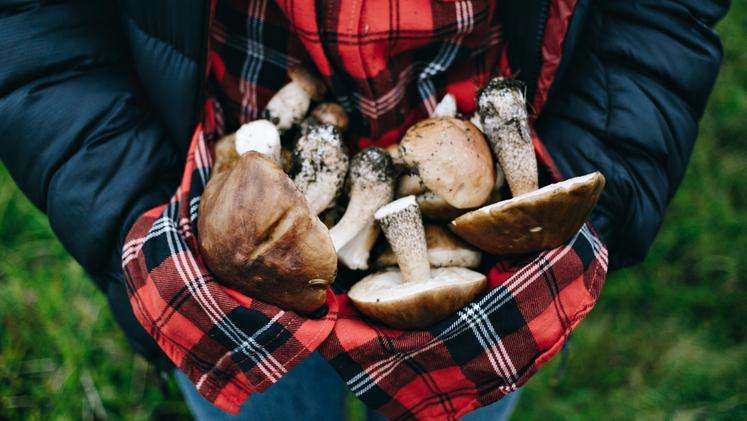
Autumn & Mushrooms in the Tuscan Countryside
When the cypress-lined hills turn ochre and the first cool fronts sweep across the Apennines, Tuscany slips into mushroom season. Forest floors wake up with porcini (Boletus edulis group), ovoli reali (Amanita caesarea), chanterelles (Cantharellus cibarius), hedgehogs, parasols, and a supporting cast of lesser-known treasures. For locals, this is more than a pastime; it’s a ritual an early start, a quiet wood, and the soft thunk of a knife as a perfect cap lifts from leaf litter.
If you’re dreaming of mushroom foraging in Tuscany this autumn, here’s a field-smart guide rooted in traditional know-how to help you do it safely, legally, and successfully.
Know the Season, Read the Forest
When to go. Tuscany’s foraging window generally runs from late September to November, with micro-waves after rain and mild temperatures. Porcini flushes follow a 7–14 day pattern after consistent moisture and daytime highs in the mid-teens °C (upper 50s–60s °F).
Where to look.
- Porcini: beech, chestnut, and oak woods on well-drained, slightly acidic soils; edges of clearings after rain.
- Chanterelles: mossy conifer or mixed woods, often in troops.
- Ovoli (Amanita caesarea): warm oak and chestnut zones with filtered light, often later in season.
- Hedgehogs (Hydnum repandum): beech leaf litter and sandy patches.
- Parasols (Macrolepiota procera): woodland fringes, meadows, paths.
Pro tip: Experienced foragers “read” the forest like a map checking indicator species (moss vigor, earthworm casts), microclimates (north vs. south slopes), and prior flush sites. Keep a private log with weather notes; it’s the fungaiolo’s secret weapon.
Legal & Ethical Basics
Permits & limits. Tuscany regulates mushroom picking. Daily quantity limits, allowed hours, and small fees or local permits may apply and rules differ by province or municipality. Always check the local Comune or regional portal before you go.
Respect the habitat.
- No rakes or aggressive tools: they shred mycelium and ruin the season for everyone.
- Cut cleanly at the base or twist gently; cover the hole with leaf litter to protect the hyphal mat.
- Leave small or over-mature specimens to spread spores.
- Pack out all waste; keep to paths where requested; avoid protected or private land without explicit permission.
Safety first. If you are not 100% certain of identification, do not eat the mushroom. In Tuscany you can often have finds verified by mycological associations, pharmacies, or local ASL services. This extra step is part of the culture.
Field Kit of a Tuscan Fungaiolo
- Breathable wicker basket (never plastic bags): prevents sweating and spoilage, lets spores disperse.
- Small knife + soft brush: clean stems on site to keep mud out of your basket.
- GPS/phone with offline map + whistle: fog and forest geometry can disorient.
- Layered clothing & waterproof boots: mornings are cold, understories damp.
- Paper envelopes: keep uncertain specimens separate from edible ones.
- Water & a simple first-aid kit: you’ll cover more ground than you think.
Identification: The “No-Mistake” Mindset
1) Learn families, not just names. Master a handful of safe, distinctive genera porcini/boletes with white pores (not gills), chanterelles with blunt ridges, hedgehogs with soft spines. These structural cues are more reliable than color alone.
2) Check three axes: cap, underside, stem/base.
- Cap: surface, margin, bruising behavior.
- Underside: pores vs. gills vs. spines; spacing; color change on touch.
- Stem & base: bulbs, rings, volvas, reticulation (the porcini “netting”). Always examine the base intact many dangerous Amanitas are identified there.
3) Know the look-alikes.
- Chanterelles vs. Jack-O’-Lantern (Omphalotus): chanterelles have forking ridges, fruity apricot aroma, and grow scattered in soil; jack-o’-lanterns have true gills, often clustered on wood, and can be bioluminescent.
- Amanita caesarea vs. deadly Amanitas: the edible ovolo has orange cap, yellow gills and stem, white sac-like volva. Any uncertainty with Amanitas = do not eat.
- Porcini vs. bitter boletes (Tylopilus): taste a micro-flake (then spit) bitter boletes are unmistakably bitter and not harmful to taste; avoid any that stain blue rapidly and have red pores unless you’re fully trained.
4) Use multiple sources. Bring a regional field guide and cross-check with a reputable app and, when possible, an expert. Never rely on a single photo search.
5) Be conservative. Eat only young, pristine specimens the first time, and cook thoroughly. Some edible species cause upset when undercooked.
Field Technique That Separates Pros from Beginners
- Walk the contour lines. Mushrooms often follow moisture bands; side-hill traverses can be more productive than straight up/down.
- Slow your gaze. Scan 1–3 meters ahead, then pause to sweep near your boots porcini caps hide under leaves like coins.
- Hunt edges. Where beech meets chestnut, where dense cover breaks to a path, where slope aspect changes these ecotones host diversity.
- Return after 48–72 hours. A half-formed primordium becomes a perfect cap in two or three days under good conditions; pros cycle their sites.
- Respect others’ spots. In rural Tuscany, foraging is personal. A friendly “buongiorno,” a wide berth, and a closed mouth about exact locations keep the peace.
Cleaning, Transport, and Kitchen Basics
In the forest: Trim soil immediately; brush caps; separate fragile species (chanterelles, hedgehogs) from weightier boletes. Keep unknowns isolated.
At home:
- Sort & refrigerate unwashed mushrooms in paper bags for up to 2–3 days.
- Wipe, don’t soak (except for truly gritty chanterelles then a quick swish and thorough drying).
- Slice & inspect boletes for worms; small tunnels are common trim generously.
Cooking classics (Tuscan style):
- Porcini trifolati: sauté in extra-virgin olive oil with garlic and parsley; finish with salt and a breath of lemon.
- Tagliatelle ai funghi: butter + EVOO, shallot, porcini/chanterelles, a splash of white wine, parsley; toss with fresh egg pasta.
- Crostoni ai funghi: mushrooms on toasted pane toscano with olio nuovo; add pecorino curls.
- Risotto ai funghi: keep it simple; let a porcini stock (from trimmings) do the heavy lifting.
- Sott’olio (preserved): only for approved species and with proper sterilization; otherwise freeze pre-sautéed mushrooms for safe, quick meals.
Common Mistakes
- Relying on color myths. Silver spoons turning dark, insect-nibbled caps “proving” edibility all false.
- Mixing species in the basket. A toxic crumb can contaminate the rest. Use paper envelopes for uncertain finds.
- Foraging after dark or in fog without a plan. Mark your route; Tuscany’s woods can be disorienting.
- Cooking everything the same way. Chanterelles dislike aggressive heat; boletes need it. Adjust technique to species.
- Skipping the check. New foragers should always seek expert verification before eating.
Safety & Health Disclaimer – Read Before You Eat
Wild mushrooms can be dangerous or fatal if misidentified. This article is informational and not a substitute for in-person identification by a qualified expert. If you feel unwell after eating wild mushrooms, seek medical help immediately and bring a sample of what you consumed.
A One-Day “Tuscan Forager” Plan
- Dawn: Check rain/wind notes; choose a beech–chestnut loop you scouted earlier.
- Morning: Slow traverse on contour; target edges and prior flush spots; harvest sparingly and clean on site.
- Late morning: Coffee in the nearest bar; swing by a mycological association or knowledgeable pharmacy for a verification.
- Lunch: Crostoni ai funghi and a light Vernaccia or Chianti Classico.
- Afternoon: Prep and chill the day’s finds; start a stock with trimmings; plan tagliatelle ai porcini for dinner.
- Evening: Update your log (temperature, rainfall, species, GPS notes). Tomorrow’s flush starts with today’s records.