


Tuscany’s Best Places This Year to Taste Extra-Virgin Olive Oil and Wine
If there’s one region where oil and wine tastings become a full-body, landscape-soaked experience, it’s Tuscany. Between stone hamlets, cypress alleys, and rolling vineyards, you can sip Chianti Classico, Brunello di Montalcino, Vino Nobile di Montepulciano, or coastal Bolgheri reds and drizzle newly pressed olio nuovo straight from the mill often in the very places where they were born.
This guide highlights the top Tuscan areas to taste olive oil and wine this year, with on-the-ground tips, ideal seasons, and practical routes.
1) Chianti Classico (Greve, Panzano, Radda, Gaiole) — Iconic Sangiovese & Characterful Oils
Why go: The black-rooster heartland between Florence and Siena is a tapestry of vineyards and olive groves. Sangiovese here runs from floral and red-cherry to more savory, while the hills produce peppery, grassy extra-virgin olive oil with a clean, bitter-spicy finish.
What to taste:
- Chianti Classico Annata, Riserva, Gran Selezione to compare elevation, soil, and barrel choices.
- Estate olive oils, often monocultivars of Frantoio, Moraiolo, Leccino, tasted on fettunta (garlic-rubbed toast).
When: Late October–December for olio nuovo open-press days; April–June and September–October for vineyard tastings with perfect temperatures.
Insider tip: The Panzano “Conca d’Oro” amphitheater rewards you with panoramic tasting rooms; book a vertical of Sangiovese and an oil flight side by side to grasp terroir symmetry.
2) Montalcino (Val d’Orcia) — Brunello Depth & Olive Groves in a UNESCO Landscape
Why go: In and around Montalcino, high-altitude vineyards and galestro soils shape Brunello di Montalcino, structured Sangiovese with aging potential, and Rosso di Montalcino for earlier drinking. The same slopes host old-tree groves yielding elegant, aromatic EVOO.
What to taste:
- Brunello (minimum long aging) vs. Rosso (fresh and vibrant).
- Estate EVOO with notes of green almond, artichoke, and arugula.
When: Spring for new-release Brunello tastings; late autumn for oil. Winter tastings are atmospheric, with fireplace lunches and fewer crowds.
Insider tip: Pair a Brunello flight with pecorino di Pienza and a finishing drizzle of local olive oil an advanced lesson in salt, fat, tannin, and bitterness harmony.
3) Montepulciano (Val di Chiana) — Vino Nobile Precision & Food-Friendly Oils
Why go: Vino Nobile di Montepulciano blends Sangiovese (here, Prugnolo Gentile) with small additions of traditional grapes, yielding reds with silky tannins and savory length. Olive trees on the surrounding ridges produce rounded, herbaceous oils.
What to taste:
- Vino Nobile, Riserva, and single-vineyard bottlings.
- IGP Toscano or estate DOP oils great over pappa al pomodoro or ribollita.
When: Anytime, but fall highlights both grape and oil seasons; early summer is ideal for cellar + old-town strolls.
Insider tip: Request a side-by-side tasting of Vino Nobile vs. Rosso di Montepulciano with the same estate’s oil to understand structure and everyday pairings.
4) Bolgheri & the Tuscan Coast (Maremma) — Super-Tuscans and Sea-Breeze Oils
Why go: On the Etruscan Coast, Bolgheri DOC pioneered Bordeaux-style blends (Cabernet, Merlot) with Mediterranean polish: dark fruit, graphite, and bay leaf. Coastal breezes also yield supple, golden EVOOs perfect for seafood.
What to taste:
- Bolgheri Rosso & Superiore to explore oak integration and coastal freshness.
- Coastal oils with softer spice try on grilled fish or artichokes.
When: Shoulder seasons (April–June, September–October) for fewer visitors and crystal-clear tasting weather.
Insider tip: Combine a winery visit with a stop at a frantoio in the inland Maremma hills; some offer olive-mill tours followed by a seafood trattoria lunch on the coast.
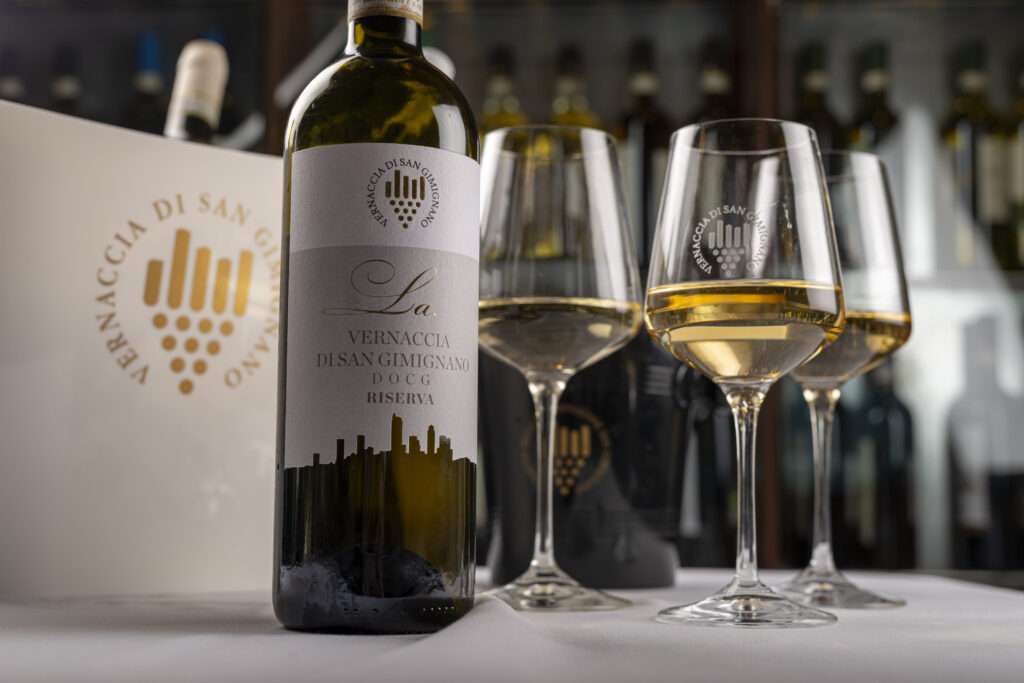
5) San Gimignano & the Elsa Valley — Vernaccia Whites and Delicate Oils
Why go: Tuscany’s signature white, Vernaccia di San Gimignano, is mineral, citrus-zesty, and increasingly complex with lees aging. Olive groves on tufa and sandstone give precise, floral oils that love vegetables and freshwater fish.
What to taste:
- Vernaccia in stainless steel vs. sur lie or partial oak for texture contrasts.
- San Gimignano EVOO beautiful over seasonal salads and asparagus.
When: Spring for fresh whites; autumn for new oil and saffron dishes (a local specialty).
Insider tip: Taste Vernaccia with a simple fava-bean purée finished in local oil an elegant, plant-forward pairing.
6) Lucca & the Northern Hills — Gentle Reds and Renowned DOP Oils
Why go: Around Lucca, gentle slopes and maritime air temper both wines (light-to-medium reds, crisp whites) and a celebrated DOP Lucca olive oil often praised for elegance over power.
What to taste:
- Colline Lucchesi reds (Sangiovese-led with local varieties) and whites.
- DOP Lucca EVOO silky, balanced, with sweet almond notes.
When: Autumn for oil mill visits; May–June or September for vineyard tastings paired with city sightseeing and Romanesque churches.
Insider tip: Many estates offer garden tastings with vegetables from the orto dressed only with oil and salt Tuscan minimalism at its best.
7) Carmignano & Rufina (North-East of Florence) — Historic Reds and High-Tone Oils
Why go: Carmignano has centuries-deep blending tradition (Sangiovese with a touch of Cabernet), while Chianti Rufina sits higher and cooler, delivering vivid acidity and perfume. Both zones produce nervy, peppery oils.
What to taste:
- Carmignano DOCG and Chianti Rufina single-vineyard reds.
- Estate oils—excellent on grilled steak, crostini ai fegatini, or white beans.
When: Harvest shoulder months for cellar tours; autumn for oil and porch tastings with valley views.
Insider tip: Ask for a food pairing flight—Rufina’s lift with porcini and Carmignano’s depth with aged pecorino can be revelatory.
How to Plan an Oil-and-Wine Day the Tuscan Way
Morning at a frantoio (olive mill). Book a guided visit to see washing, crushing, malaxation, and centrifugation in season (Oct–Dec). Taste oils in blue cups (to neutralize color bias): look for fruitiness, bitterness, and pungency in balance.
Lunch in a trattoria or winery kitchen. Keep dishes simple grilled bread, beans, seasonal vegetables, or bistecca to let oil and wine shine.
Afternoon at a winery. Choose estates within 30–40 minutes of the mill to reduce driving. Reserve a seated tasting with three tiers (entry, cru/riserva, flagship) to understand style progression.
Finish with a viewpoint. Golden-hour roads between Greve–Panzano, Montalcino–San Quirico, or Bolgheri’s Cypress Avenue make the perfect photographic finale.
Practical Tips
- Book ahead. Most quality estates and mills require reservations, especially for English-language tours.
- Taste oil like a pro. Warm the cup in your palm, inhale deeply (artichoke, almond, tomato leaf), then sip with a quick “slurp” to aerate; bitterness and pepperiness are positive markers of polyphenols.
- Buy small, buy fresh. EVOO is a fresh product prefer current harvest in 500 ml bottles with harvest date, dark glass, and lot number.
- Ship wine smartly. Ask estates about export-ready packaging and pooled shipping; keep invoices for customs and potential VAT refunds (if eligible).
- Designate a driver or hire a transfer if you’re planning multiple stops.
Two Sample Itineraries
Classic Heartlands (car required)
- Morning: Chianti Classico frantoio near Greve → Oil flight on fettunta
- Lunch: Panzano terrace
- Afternoon: Radda winery (Annata/Riserva/Gran Selezione)
- Sunset: Scenic pull-off on the Conca d’Oro
Southern Icons (car required)
- Morning: Val d’Orcia oil mill → tasting of estate EVOOs
- Lunch: Montalcino (pici with ragù, pecorino)
- Afternoon: Brunello winery tour & vertical tasting
- Golden hour: Cypresses near San Quirico/Pienza