


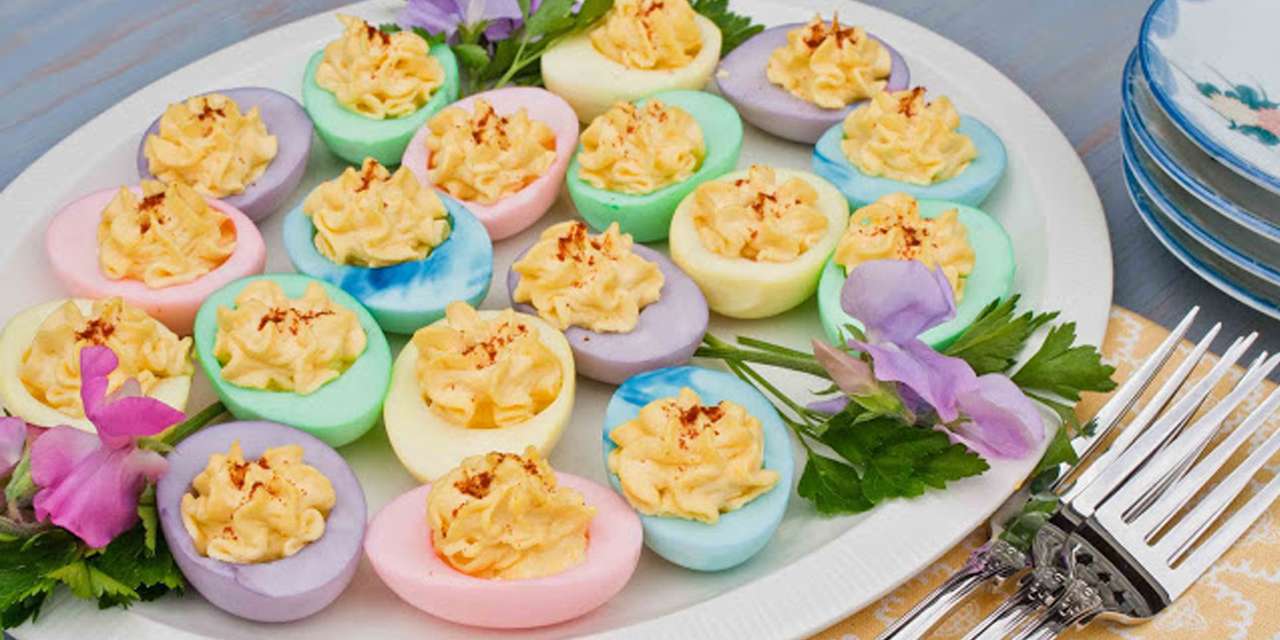
Festive Blessed Hard-Boiled Eggs in Italy: The Story Behind “Uova Benedette”
In many Italian families, Easter begins with a gesture that is simple, symbolic, and surprisingly moving: hard-boiled eggs brought to church to be blessed, then shared at home as uova benedette, “blessed eggs.” It’s a tradition that can feel almost invisible if you only know Italy through chocolate eggs and pastry doves, yet in several regions it still marks the start of Easter Sunday with a quiet sense of renewal and togetherness. In Tuscany, Emilia-Romagna, Campania and beyond, the blessed egg appears as a first bite of the day or as part of an Easter lunch, often paired with salumi, bread, and a glass of something celebratory.
This article explores where the tradition comes from, why eggs became such a powerful Easter symbol in Italy, and how you can prepare and present festive blessed hard-boiled eggs in a way that looks beautiful on the table, without losing the charm of a humble ritual.
Why eggs became an Easter symbol
The egg is one of the oldest symbols of rebirth, fertility, and renewal ideas naturally linked to spring. Many sources trace egg symbolism to ancient cultures well before Christianity, where the egg represented creation and the return of life after winter. Over time, that symbolism blended into Christian Easter, where the egg can be read as an image of new life emerging from an apparently “closed” shell.
In Italian Easter culture, eggs stayed central even as chocolate eggs became the modern “star” for children. Italy’s official tourism portal highlights the egg as a sign of life and renewal and connects it to the Resurrection theme that shapes Easter traditions.
The Italian tradition of blessing eggs: faith, food, and the end of Lent
So why do people bless hard-boiled eggs specifically?
One reason is practical and historical: in many Christian communities, eggs were traditionally limited during Lent as part of fasting and restraint. When Easter arrived, eggs returned to the table as a sign of abundance and the end of the Lenten period. In parts of Italy, that return to eggs was ritualized through a blessing in church, then a shared meal at home.
Regional stories keep the tradition vivid. In Romagna, for example, sources describe the custom of eating blessed hard-boiled eggs on Easter morning before or with breakfast. In other areas, including parts of Emilia and northern/central Italy, local narratives mention eggs being brought to Mass to be blessed and eaten during the Easter meal, sometimes alongside other symbolic foods.
The blessing doesn’t change the egg physically, of course; it changes what the egg means to those participating. It becomes a small edible “yes” to spring, to life restarting, and to being at the table together.
How to prepare perfect hard-boiled eggs
If you want your uova sode benedette to look and taste great, start with the basics:
- Choose eggs that aren’t ultra-fresh (3–7 days old peel more easily).
- Place eggs in a pot and cover with cold water.
- Bring to a gentle boil, then simmer until fully set (many cooks aim for 9–11 minutes depending on egg size).
- Cool quickly in cold water to stop cooking and make peeling easier.
From here, you have two classic Italian directions: keep them simple and symbolic (the most traditional), or make them festive and “table-pretty” while staying respectful of the ritual.
How to make blessed eggs “festive” without turning them into a gimmick
1) Natural dye eggs, Italian-style (simple, elegant, very spring)
In some Italian areas, sources mention eggs being colored using fruit and vegetables, a tradition that fits perfectly with today’s love for natural dyes.
Easy natural dye ideas:
- Red onion skins → warm amber/brown tones
- Beetroot → pinks and dusty rose
- Turmeric → bright golden yellow
- Red cabbage → bluish tones (especially with a pinch of baking soda)
Make the dye bath, simmer it, cool slightly, then soak the boiled eggs until the color feels right. Finish with a tiny rub of olive oil on the shell for a soft shine.
Table effect: put the colored eggs in a small basket lined with a cloth napkin, and you’ve got a centerpiece that looks both rustic and refined.
2) The “blessed egg board” for Easter lunch
A Tuscan-style Easter table often opens with uova benedette shared at lunch cut into wedges, passed around, seasoned simply.
To make this look special, build a serving board:
- egg wedges (or halves)
- flaky salt and black pepper
- extra virgin olive oil
- lemon zest (optional but bright)
- fresh herbs (parsley, chives, or wild fennel if you can find it)
- a side of bread and salumi (if you want the full Italian feeling)
3) “Uova ripiene” (Italian deviled eggs) as a second act
If you want a more playful, crowd-pleasing version for guests, Italy has its own “deviled egg” tradition: uova ripiene, often made by mixing yolks with tuna and a little mayonnaise, then piping or spooning it back into the whites.
How to keep it festive:
- top each half with a caper, lemon zest, or a tiny herb leaf
- serve on a platter with radishes and greens for color
This is a great compromise: you can keep a few eggs “classic blessed” and turn the rest into an elegant appetizer.
4) Add a tiny ritual: the Easter egg tapping game
In many Italian homes, Easter includes an egg-tapping challenge (often known as coccetta in some areas): egg vs egg, point to point, until one shell cracks. It’s playful, intergenerational, and extremely “table friendly.”
If you’re hosting, this is perfect after the blessing and before lunch: it immediately turns the table into a shared experience.
How Italians actually serve blessed eggs
The most traditional serving is still the best:
- peeled or unpeeled, depending on family habit
- cut into halves or wedges
- seasoned with salt and pepper
- eaten slowly, as the first taste of Easter
In some places the blessed egg appears alongside other symbolic Easter foods (for example, breads or savory pies), and in many families it simply opens the meal before everything else arrives.
A small egg, a big meaning
The beauty of uova sode benedette is that they sit at the intersection of the everyday and the sacred: a common ingredient turned into a shared symbol. Whether you keep them classic, dye them naturally, serve them on a board, or turn them into elegant uova ripiene, the heart of the tradition stays the same starting Easter by sharing something simple, together.