


The Perfect Panino: How Was Born and Where to Eat the Most Authentic in Florence
More Than Just a Sandwich
In Florence, a panino is never just a quick bite. It can be a street food ritual, a lunch break between museums, a glass of wine standing in a narrow alley, a warm schiacciata filled with Tuscan salumi, or a steaming lampredotto sandwich served from a historic tripe stall. The perfect panino in Florence is a small expression of the city itself: practical, generous, deeply local and full of character.
For many travelers, eating a panino in Florence has become almost as essential as visiting the Uffizi Gallery, crossing Ponte Vecchio or admiring the Duomo. But behind today’s famous sandwich shops and viral schiacciate, there is a longer story. The Florentine panino grew from local food habits, wine shops, markets, workers’ lunches and Tuscan ingredients. Over time, it evolved from simple street food into one of the most beloved symbols of casual Italian eating.
This guide explores how the panino was born, how it has changed, what makes a truly great Florentine sandwich and where to eat the most authentic and unusual panini in Florence.
The Origins of the Italian Panino
The word “panino” simply means “small bread” in Italian. In everyday use, it refers to bread filled with ingredients such as cured meats, cheese, vegetables, sauces or cooked specialties. While sandwiches exist in many cultures, the Italian panino has its own identity because it is strongly connected to regional bread, local products and the habit of eating something simple but well made.
In Tuscany, bread has always been central to daily life. Traditional Tuscan bread is unsalted, a characteristic that makes it ideal for pairing with intense flavors such as prosciutto, pecorino, finocchiona, salsa verde, roast meats and extra virgin olive oil. In Florence, however, one of the most important breads for panini is schiacciata, a Tuscan flatbread made with olive oil, soft inside and slightly crisp outside.
The Florentine panino also has strong links with old wine shops, market stalls and humble street food traditions. Small places where people could drink a glass of wine and eat something simple created the perfect environment for the panino to become part of the city’s food culture.
Florence and the Evolution of the Panino
Florence has transformed the panino into something more than a practical meal. In the city, different styles coexist. There is the historic panino with simple Tuscan ingredients. There is the panino al lampredotto, probably the most traditional Florentine street food. There is the gourmet panino made with carefully selected products. There is the oversized schiacciata filled with creams, cheeses and salumi. There are also elegant mini truffle sandwiches served with wine in refined historic cafés.
This variety is what makes Florence one of the best cities in Italy for sandwich lovers. The same city can offer a rustic lampredotto roll from a market stall, a refined truffle panino in Via de’ Tornabuoni, a traditional schiacciata near Santa Croce and a creative panino with unusual fillings near Sant’Ambrogio.
The panino has evolved because Florence itself has changed. Tourism, social media and contemporary food culture have made some sandwich shops internationally famous. At the same time, many small local places still preserve a more authentic, everyday spirit. The best way to understand the Florentine panino is to try both sides: the famous and the hidden, the traditional and the creative.
What Makes the Perfect Florentine Panino?
The perfect panino begins with bread. In Florence, schiacciata is often the ideal choice because it has structure, fragrance and enough softness to hold generous fillings. It should not be too dry, too heavy or too oily. It should support the ingredients without overwhelming them.
The second essential element is balance. A great panino is not simply packed with as many ingredients as possible. It needs contrast: salty and creamy, crunchy and soft, rich and fresh. Finocchiona with pecorino cream, prosciutto with grilled vegetables, roast pork with salsa verde, or lampredotto with spicy sauce all work because the ingredients speak to each other.
Quality matters more than quantity. Tuscan salumi, Pecorino Toscano, fresh vegetables, extra virgin olive oil, truffle cream, seasonal spreads and properly cooked meats can turn a simple sandwich into a memorable food experience.
Finally, a perfect Florentine panino should be easy to eat. It can be generous, but it should not become chaotic. The best bite is the one where bread, filling and sauce arrive together.
Lampredotto: The Most Florentine Panino
No article about panini in Florence can ignore lampredotto. This traditional street food is made from the fourth stomach of the cow, slowly cooked in broth, chopped and served in a bread roll. The top of the bread is often dipped in the cooking broth, then the sandwich is finished with salsa verde, spicy sauce or both.
For visitors, lampredotto may seem unusual at first, but for Florence it is a true local classic. It belongs to the city’s working-class food culture and remains one of the most authentic things to eat in Florence. It is not a tourist invention. It is Florentine identity between two pieces of bread.
The perfect lampredotto panino should be juicy, warm and aromatic. The meat should be tender, the bread should absorb the broth without falling apart, and the salsa verde should add freshness. This is the panino for travelers who want to taste the real street food soul of Florence.
Da Nerbone: A Market Classic
One of the most famous places for a traditional Florentine panino is Da Nerbone, inside the Mercato Centrale di San Lorenzo. This historic address is known for lampredotto, lesso, soups and other Tuscan specialties.
Da Nerbone is ideal for travelers who want to experience Florence through its market culture. The atmosphere is informal, lively and direct.
The panino al lampredotto is the classic choice, but the panino con il lesso, made with boiled beef and usually served with salsa verde, is also a strong option.
Eating here means understanding that the Florentine panino was not born as a luxury product. It was born as food for real life: warm, filling, affordable and full of flavor.
Tripperia Pollini: Lampredotto in Sant’Ambrogio
Another excellent name for traditional Florentine street food is Tripperia Pollini, located in the Sant’Ambrogio area. This neighborhood is one of the best parts of Florence for travelers who want a more local food experience, away from the most crowded tourist streets.
Tripperia Pollini is focused on trippa and lampredotto, and its panino represents the classic trippaio tradition. The experience is quick, informal and authentic. This is the kind of place where the quality is in the cooking, the broth, the texture of the meat and the balance of the sauces.
For anyone searching for authentic lampredotto in Florence, Sant’Ambrogio is a perfect area to explore.
All’Antico Vinaio: The Viral Schiacciata Phenomenon
All’Antico Vinaio is probably the most famous panino name in Florence today. Located originally around Via de’ Neri and now expanded to multiple locations, it has turned the Florentine schiacciata into a global phenomenon.
The style is abundant, photogenic and highly recognizable: large pieces of schiacciata filled with salumi, cheeses, creams, vegetables and bold combinations.
It is no longer only a local food stop, but a modern symbol of Florence’s street food success.
For travelers, All’Antico Vinaio is worth understanding as part of the evolution of the panino. It shows how a traditional format can become international while still using the language of Tuscan ingredients. The lines can be long, but the experience is part of contemporary Florence.
I Fratellini: The Historic Wine-and-Panino Experience
For a more old-style Florentine experience, I Fratellini is one of the most important addresses. Founded in 1875, this tiny wine-and-panino spot near Via dei Cimatori preserves the atmosphere of the traditional Florentine snack: a panino, a glass of wine and a standing break in the street.
The beauty of I Fratellini lies in its simplicity. The panini are not oversized or theatrical. They are based on good bread, Tuscan products and classic combinations such as finocchiona, pecorino, salame, prosciutto, salsa verde or truffle cream.
This is one of the best places in Florence for travelers who want to understand the connection between panini and old wine shops. It feels historic, local and pleasantly informal.
’Ino: The Gourmet Panino Near the Uffizi
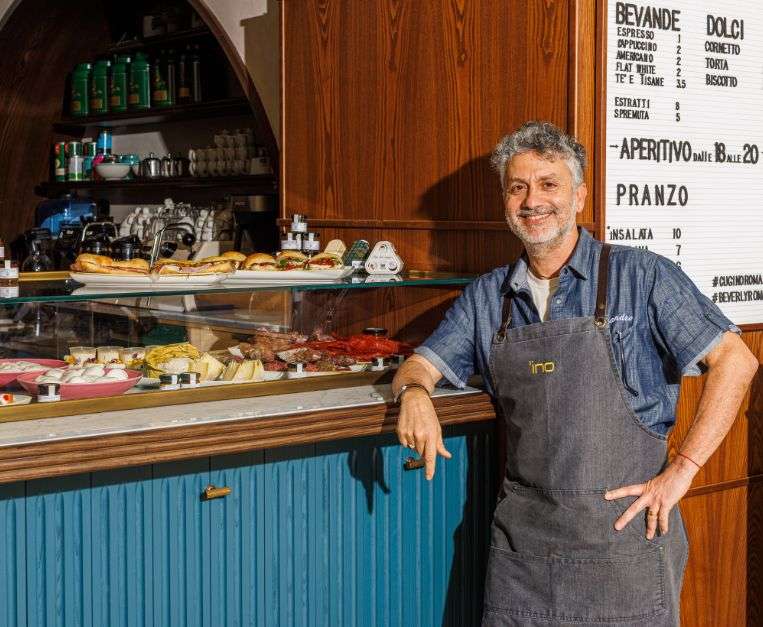
For a more contemporary and curated version of the panino, ’Ino is a key address. Located near the Uffizi Gallery, it focuses on carefully selected ingredients and a more refined idea of the sandwich.
’Ino helped shape the modern gourmet panino culture in Florence.
The approach is not about making the biggest sandwich possible, but about choosing excellent products and creating balanced combinations. This makes it a strong choice for travelers who care about ingredient quality, provenance and creativity.
It is especially useful for a quick but high-quality lunch between museums, without giving up a real food experience.
Semel: Small, Creative and Unusual
For those looking for something more particular, Semel near Sant’Ambrogio is one of the most interesting panino spots in Florence. It is small, local and known for creative combinations that can include meats, stews, game, fish, vegetables and unexpected pairings.
Semel is not the classic tourist schiacciata stop. It is more intimate and distinctive, perfect for travelers who want to try something original. The name itself refers to a Florentine type of bread roll, connecting the place to local tradition while allowing room for creativity.
For anyone searching for unusual panini in Florence, Semel should be on the list.
Procacci 1885: The Elegant Truffle Panino
Florence also has a refined panino tradition, and Procacci 1885 is the perfect example. Located on Via de’ Tornabuoni, Procacci is famous for its small truffle sandwiches, often enjoyed with a glass of wine or sparkling wine.
This is a completely different panino experience from lampredotto or oversized schiacciata. The truffle panino is small, elegant and aromatic.
It belongs to a more polished side of Florence, connected to historic cafés, luxury shopping streets and refined aperitivo culture.
Procacci is ideal for travelers who want a sophisticated snack rather than a street food lunch. It shows how flexible the panino can be: rustic in the market, generous in a schiacciateria, elegant in a historic truffle shop.
Pino’s Sandwiches – Salumeria Verdi: A Local Favorite Near Santa Croce
Near Santa Croce, Pino’s Sandwiches – Salumeria Verdi is another strong address for schiacciate and Tuscan-style sandwiches. It has a family-run spirit and a wide choice of fillings, including meat, vegetarian and vegan options.
This makes it practical for groups with different tastes. The area around Santa Croce is full of students, locals and visitors, and Pino’s works well for a casual lunch before or after visiting the basilica, Piazza Santa Croce or the nearby artisan streets.
It is a good example of how the panino remains an everyday food in Florence: accessible, generous and adaptable.
How to Choose the Right Panino in Florence
Choosing the best panino in Florence depends on the experience you want. For tradition, go for lampredotto at Da Nerbone, Tripperia Pollini or one of the historic trippai. For a famous schiacciata, try All’Antico Vinaio. For a historic wine-shop feeling, choose I Fratellini. For gourmet quality, go to ’Ino. For creative and unusual fillings, try Semel. For elegance, stop at Procacci 1885. For a generous local schiacciata near Santa Croce, choose Pino’s Sandwiches – Salumeria Verdi.
The best strategy is not to look for a single winner. Florence offers different panini for different moments: market lunch, street food break, aperitivo, museum pause, late lunch, local snack or gourmet tasting.
The Panino as a Taste of Florence
The perfect panino is not defined by size or fame. It is defined by bread, ingredients, balance and identity. In Florence, the panino has grown from humble street food and wine-shop tradition into one of the city’s most loved culinary experiences.
From lampredotto dripping with broth and salsa verde to schiacciata filled with Tuscan salumi, from truffle mini sandwiches to creative gourmet combinations, Florence shows how versatile and meaningful a simple sandwich can be.
For travelers searching for the best panini in Florence, authentic Florentine street food, where to eat schiacciata in Florence or the most unusual sandwiches in Florence, the city offers an extraordinary route through taste, history and local culture.
A panino in Florence is more than lunch. It is a bite of the city: warm, practical, intense, traditional and constantly evolving.