


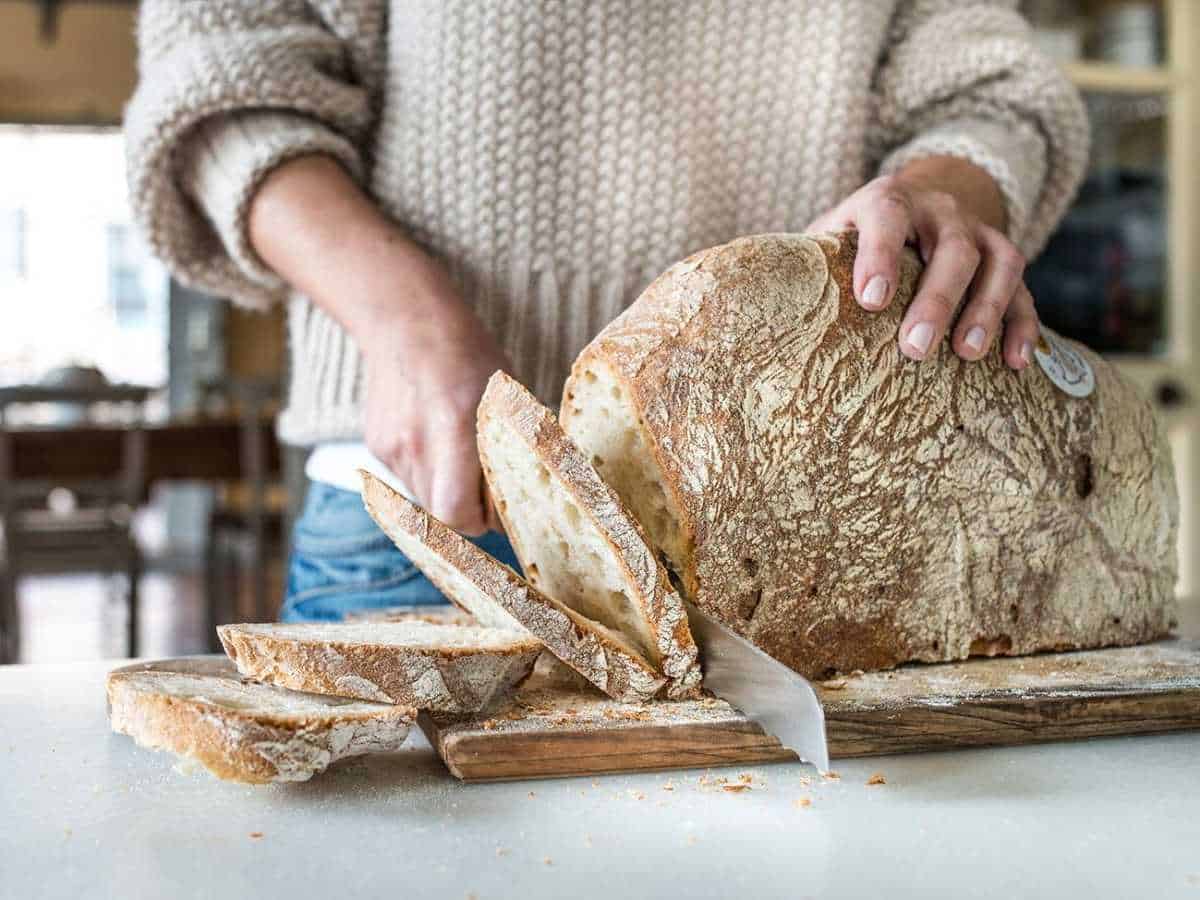
Pane and Schiacciata: what makes Tuscan bread different from other
Bread in Tuscany is not just something served on the side of a meal. It is part of the region’s identity, history and everyday food culture. From the famous saltless Pane Toscano to the golden, oily and irresistible schiacciata, Tuscan bakery traditions have a character that is immediately recognizable and very different from many other Italian breads.
Across Italy, bread changes dramatically from one region to another. In Puglia, you find large durum wheat loaves with a thick crust and deep flavor. In Liguria, focaccia is soft, fragrant and often rich in olive oil. In Emilia-Romagna, piadina is flat, flexible and perfect for fillings. In Rome, pizza bianca is light, crisp and street-food friendly.
Tuscany, however, has developed a bread culture of its own: rustic, essential, deeply connected to olive oil, cured meats, soups, vegetables and peasant cooking.
To understand Tuscan cuisine, you have to understand its bread. Pane Toscano and schiacciata are two of the most important examples, but they play very different roles at the table.
Pane Toscano: the famous saltless Tuscan bread
The most distinctive feature of Pane Toscano is the absence of salt. For many visitors, this is surprising at first. Compared with other Italian breads, Tuscan bread can seem mild, neutral or even unusual. But this is exactly the point: Pane Toscano is designed to work with the bold, salty and flavorful ingredients of the region.
Tuscan cuisine is full of strong flavors: Prosciutto Toscano, finocchiona, salame toscano, aged Pecorino Toscano, liver pâté, lampredotto, extra virgin olive oil, stews and soups. A salty bread would compete with these ingredients. Saltless bread, on the other hand, balances them. It becomes a clean, structured base that lets the other flavors speak.
This is one of the biggest differences between Tuscan bread and many other Italian bakery products. In other regions, bread may be flavorful on its own. In Tuscany, bread often becomes part of a larger system of taste. It is not meant to dominate the meal; it is meant to support it.
The history behind saltless bread
There are several explanations for the saltless tradition. One of the most repeated stories links it to the historical cost and taxation of salt. Whatever the exact origin, the result became a defining feature of Tuscan food culture. Over time, this unsalted bread was not treated as a limitation, but as a strength.
The lack of salt shaped the way Tuscans cook and eat. It encouraged bread-based recipes, strong toppings, hearty soups and intense pairings. It also made stale bread extremely useful. In Tuscany, old bread is not waste; it is an ingredient.
This is why Pane Toscano appears in some of the most iconic regional dishes: ribollita, pappa al pomodoro, panzanella, acquacotta, crostini and bread soups. Its firm crumb absorbs liquids beautifully without immediately falling apart. This makes it ideal for recipes where bread becomes the body of the dish, not just an accompaniment.
Texture, crust and natural leavening
Authentic Pane Toscano is not simply “bread without salt.” Its identity also comes from texture, flour and fermentation. It usually has a firm crust, a compact but irregular crumb and a slightly tangy aroma linked to natural leavening. The use of sourdough gives the bread depth, helps preservation and adds complexity to an otherwise essential product.
This is another difference from many standard Italian breads. Pane Toscano is not soft, sweet or enriched. It is austere in the best possible way. It has structure. It can sit on the table, be sliced for crostini, toasted for fettunta, soaked in tomato, layered into soups or served with a generous board of cured meats and cheese.
In a Tuscan bakery, the beauty of Pane Toscano is not decorative. It is practical, historical and gastronomic.
Schiacciata: Tuscany’s beloved flatbread
If Pane Toscano is the serious, rustic bread of the table, schiacciata is its more playful, fragrant and immediate cousin. The word “schiacciata” comes from the idea of something flattened or pressed. It is a Tuscan flatbread made with a soft dough, extra virgin olive oil and salt on the surface.
Unlike Pane Toscano, schiacciata is not saltless. It is often golden, oily, slightly crisp on the outside and soft or chewy inside, depending on the bakery and local style. Some versions are thin and crunchy; others are thicker and more pillowy. Some are very oily, others more restrained. But the essential identity remains the same: schiacciata is about bread, olive oil, salt and texture.
In Tuscany, schiacciata is everywhere: in bakeries, school snacks, lunch breaks, picnics, food markets and informal meals. It can be eaten plain, filled with salumi and cheese, served with vegetables, used for sandwiches or enjoyed warm straight from the bakery.
Schiacciata versus focaccia: what is the difference?
Many travelers compare schiacciata to focaccia, especially Ligurian focaccia. They are related in the broad sense that both are flatbreads made with olive oil, but they are not the same.
Ligurian focaccia is often softer, more hydrated and more evenly rich in oil. It can have a distinctive glossy surface, deep dimples and a tender bite. Tuscan schiacciata tends to be more rustic, less standardized and often more connected to the bakery’s individual style. It may be thinner and crunchier, thicker and chewy, or somewhere in between.
The biggest difference is cultural use. In Liguria, focaccia is almost a regional symbol with very precise rituals, including breakfast in some areas. In Tuscany, schiacciata is more flexible. It can be a snack, a sandwich base, a bakery treat, a street food item or something to share at the table.
Schiacciata all’olio and seasonal variations
The classic version is schiacciata all’olio, made with extra virgin olive oil and salt. This is the version that best expresses the Tuscan relationship with olive oil. A good schiacciata should smell of bread and oil, with a surface that is savory and inviting.
There are also seasonal and local variations. Schiacciata con l’uva is one of the most famous sweet versions, traditionally prepared during the grape harvest season.
It is made with wine grapes, sugar, olive oil and bread dough, creating a sweet, juicy and slightly rustic dessert that belongs deeply to the autumn Tuscan table.
Other bakeries may offer schiacciata with rosemary, onions, tomatoes, olives, vegetables or cured meats, but the simplest version remains the most important. Like many Tuscan foods, it proves that simplicity only works when the ingredients are good.
Why Tuscan bread works so well with local food
The key to Tuscan bakery traditions is balance. Pane Toscano is unsalted because Tuscan salumi and cheeses are already intense. Schiacciata is oily and savory because it is often eaten on its own or filled like a sandwich. Both products are designed around how people actually eat.
With finocchiona, Pane Toscano gives neutrality and structure. With Pecorino Toscano, it softens the saltiness and richness. With extra virgin olive oil, it becomes fettunta, one of the simplest and most powerful Tuscan bites. With ribollita, it thickens the soup. With panzanella, it transforms stale bread into a summer dish. With lampredotto, it becomes the essential support for one of Florence’s most iconic street foods.
Schiacciata, on the other hand, is perfect with mortadella, prosciutto, pecorino, grilled vegetables, fresh tomatoes, artichokes, roasted meats or simply more olive oil. It is less neutral than Pane Toscano and more indulgent, which makes it ideal for casual eating.
How Tuscan bread differs from other Italian breads
Compared with many other Italian breads, Tuscan bread is less salty, less enriched and more tied to traditional cooking. It is not meant to be eaten only fresh from the oven. It has a second life when stale, and that second life is essential to Tuscan cuisine.
In southern Italy, breads often have a stronger flavor from durum wheat, sesame, long baking or regional grains. In northern Italy, bakery traditions may include butter, milk, rye, corn, or softer sandwich-style breads. In central Italy, flatbreads and rustic loaves vary widely, but Tuscany stands out because its bread culture is so closely linked to the absence of salt and the use of stale bread in iconic recipes.
Schiacciata also differs from many Italian flatbreads because it is less formal than pizza, less soft than some focaccia styles and more directly tied to extra virgin olive oil. It feels like something between bread, snack and street food.
Where to taste Pane Toscano and schiacciata
The best place to taste Pane Toscano and schiacciata is a real local bakery. In Florence, traditional bakeries around Sant’Ambrogio, San Frediano, Santo Spirito and the city center are excellent places to begin. Food markets such as Mercato di Sant’Ambrogio and Mercato Centrale also offer opportunities to taste bread with local cheeses, cured meats and street food.
In the countryside, Chianti villages such as Greve in Chianti, Panzano, Radda in Chianti and Castellina in Chianti are ideal for pairing Tuscan bread with salumi, pecorino and olive oil. In Siena, Lucca, Arezzo, Pisa and the Val d’Orcia, bakeries and food shops show how these traditions change slightly from place to place while keeping the same regional soul.
For a deeper experience, a cooking class or market-to-table food tour can help visitors understand how bread is used in real Tuscan recipes, from crostini to soups and panzanella.
How to taste like a local
To taste Pane Toscano properly, do not judge it alone after one bite. Try it with prosciutto, pecorino, olive oil or a soup. Toast it and make fettunta with new extra virgin olive oil. Use it to scoop up sauce from a stew. Taste it with liver crostini. That is when its purpose becomes clear.
For schiacciata, go to a bakery in the morning or around lunchtime, when it is fresh. Try it plain first, then filled with local salumi or cheese. If you visit Tuscany in autumn, look for schiacciata con l’uva. It is one of the most seasonal and memorable bakery specialties in the region.
Pane Toscano and schiacciata reveal two different sides of Tuscan bakery culture. Pane Toscano is rustic, saltless, naturally leavened and deeply connected to traditional dishes such as ribollita, pappa al pomodoro and panzanella. Schiacciata is golden, oily, savory and perfect as a snack, sandwich or bakery treat.
What makes Tuscan bread different from other Italian bakery traditions is not only the recipe, but the way it fits into the whole food culture of the region. It is built around olive oil, cured meats, pecorino, soups, vegetables, leftovers and everyday meals. It is practical, intelligent and full of identity.