


Autumn in Tuscany: Typical Seasonal Dishes You Shouldn’t Miss
When the Tuscan countryside turns copper and gold, kitchens across the region follow suit. Autumn in Tuscany is a season of fragrant porcini mushrooms, new-pressed extra virgin olive oil, chestnuts, pumpkin, game meats, and the first snows of white truffle in the market stalls.
This guide explores the classic dishes of Tuscan fall, where to look for them, and how to pair them like a local.
The Flavor Pyramid of a Tuscan Autumn
Tuscany’s autumn pantry is anchored by a few star ingredients:
- New olive oil (olio nuovo): peppery, green, and vibrant best enjoyed raw.
- Porcini & other woodland mushrooms: grilled, sautéed, or stirred through fresh pasta.
- Chestnuts & chestnut flour: from sweet desserts to rustic flatbreads.
- Pumpkin & cavolo nero (black kale): the color and backbone of soups and sides.
- Game & slow braises: wild boar, hare, and beef shanks make hearty mains.
- White truffle (late Oct–Dec): shaved raw over eggs, pasta, and risotto.
Antipasti: Start with the Essentials
Fettunta (Tuscan Bruschetta with New Oil)
The purest way to celebrate olio nuovo: toasted country bread rubbed with garlic, drenched in new oil, and sprinkled with salt. Simple, peppery, unforgettable. Look for it at oil mills (frantoi) during harvest weekends or on trattoria menus as a seasonal special.
Crostini ai Fegatini (Chicken Liver Crostini)
Rich, savory crostini are a staple all year, but they shine in cooler weather with capers, anchovy, and vin santo balancing the depth of the livers. They make a classic counterpoint to lighter mushroom or vegetable starters.
Primi: Bowls and Plates That Warm You from the Inside
Ribollita (Black Kale and Bread Soup)
The poster dish of Tuscan winters actually reaches its peak in late autumn, when cavolo nero is sweetest after the first chill. A dense, soul-warming soup of beans, kale, and vegetables is “reboiled” with stale bread until it becomes a thick stew. Drizzle with new oil just before serving.
Pappa al Pomodoro (Tomato-Bread Comfort)
While born in summer, many trattorie serve a thicker, cozier autumn version built on robust broths and peppery oil. It’s the quintessential Tuscan comfort bowl simple ingredients elevated by great bread and olive oil.
Pappardelle al Cinghiale (Fresh Pasta with Wild Boar Ragù)
A cornerstone of Tuscan fall cuisine, this wide-ribbon pasta is coated in a slow-cooked wild boar sauce scented with juniper, rosemary, red wine, and tomato. Expect deep flavor, soft texture, and the irresistible aroma of a long Sunday lunch.
Risotto ai Porcini or Tagliatelle ai Funghi
Fresh porcini mushrooms are lightly sautéed with garlic and herbs, then folded into risotto or tossed with egg tagliatelle. The best versions respect the mushroom no heavy cream, just butter or oil, and a whisper of parsley.
Pasta “al Tartufo” (White Truffle Sessions)
From late October into December, restaurants near San Miniato and truffle zones offer tajarin/tagliolini with butter and a snowfall of white truffle shaved tableside. Truffle is never cooked; gentle heat from the pasta releases its perfume. Pair with a structured Tuscan white or a lean Sangiovese.
Secondi: Slow Heat, Big Flavor
Cinghiale in Umido (Wild Boar Stew)
A cousin to the ragù, this slow-braised boar simmers with red wine, herbs, and sometimes olives or cocoa. Serve with polenta, creamy potatoes, or country bread. Rustic, warming, and intensely Tuscan.
Peposo dell’Impruneta (Peppery Beef Stew)
Legend links this black-pepper and red-wine braise to the terracotta workers of Impruneta. Chuck or shank cooks low and slow until spoon-tender, perfumed by garlic and heaps of black pepper. It’s a perfect foil to autumn’s chill.
Arrosto di Maiale con Finocchietto (Roast Pork with Wild Fennel)
Pork roasts marinated with fennel pollen or seeds, garlic, and rosemary deliver crisp crackling and succulent meat. Excellent with roasted pumpkin or sautéed cavolo nero.
Contorni: Vegetables that Define the Season
- Cavolo Nero in Padella: sautéed with garlic and oil; sometimes enriched with pancetta.
- Zucca al Forno: roasted pumpkin seasoned with sage, nutmeg, and olive oil.
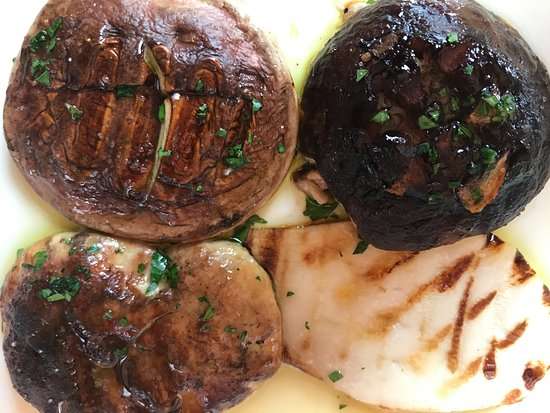
- Porcini alla Griglia: thick slices grilled and finished with oil and salt earthy elegance.
Dolci: Chestnut Season Sweets
Castagnaccio
A chestnut flour cake studded with pine nuts, raisins, and rosemary, often moistened with olive oil. It’s naturally gluten-free and captures the forest in a bite: sweet, savory, and herbal at once.
Schiacciata all’Uva (Grape Focaccia)
Harvest-time magic: sweet wine grapes baked in a thin, oily dough, sometimes double-layered so the juices run. Though iconic in early autumn, you may still find it at bakeries into October, depending on the vintage.
Pan dei Santi (All Saints’ Bread)
Typical around Ognissanti (Nov 1), this rich bread-cake weaves walnuts, raisins, and warm spices into a celebratory loaf delicious with tea or Vin Santo.
What to Drink with Tuscan Autumn Dishes
- Chianti Classico / Rosso di Montalcino: bright red fruit and acidity to cut through boar ragù and peposo.
- Vino Nobile di Montepulciano: medium structure, ideal with roasts and stews.
- Vernaccia di San Gimignano: a mineral white for porcini pasta or truffled eggs.
- Vin Santo: a classic dessert partner for pan dei santi or cantucci.
Where and How to Experience It
- Trattorie & osterie: Look for daily specials (piatti del giorno) highlighting market finds porcini, truffles, or new oil dishes.
- Sagras & fall fairs: Town festivals often celebrate mushrooms, chestnuts, or truffles with seasonal menus and local wine.
- Frantoi (olive mills): During harvest, many mills host open days with tastings of olio nuovo poured over bruschetta, beans, or ribollita.
- Markets: Florence’s Sant’Ambrogio and San Lorenzo or Siena’s weekly market brim with pumpkins, kale, and mushrooms a great way to read the season.
A Sample Autumn Menu
- Fettunta with new oil
- Ribollita or porcini risotto
- Pappardelle al cinghiale or peposo dell’Impruneta
- Cavolo nero in padella and roasted pumpkin
- Castagnaccio with Vin Santo
Balanced, regional, and fully aligned with what the land offers right now.
Practical Tips for Eating Seasonally
- Ask about sourcing: porcini and truffles vary by weather; good kitchens will be transparent.
- Respect simplicity: Tuscan cooking shines with few ingredients and technique no heavy sauces needed.
- Reserve weekends: popular countryside trattorie fill quickly in October–November.
- Dress for farm visits: if you’re touring olive mills or truffle events, bring layers and waterproof shoes.