


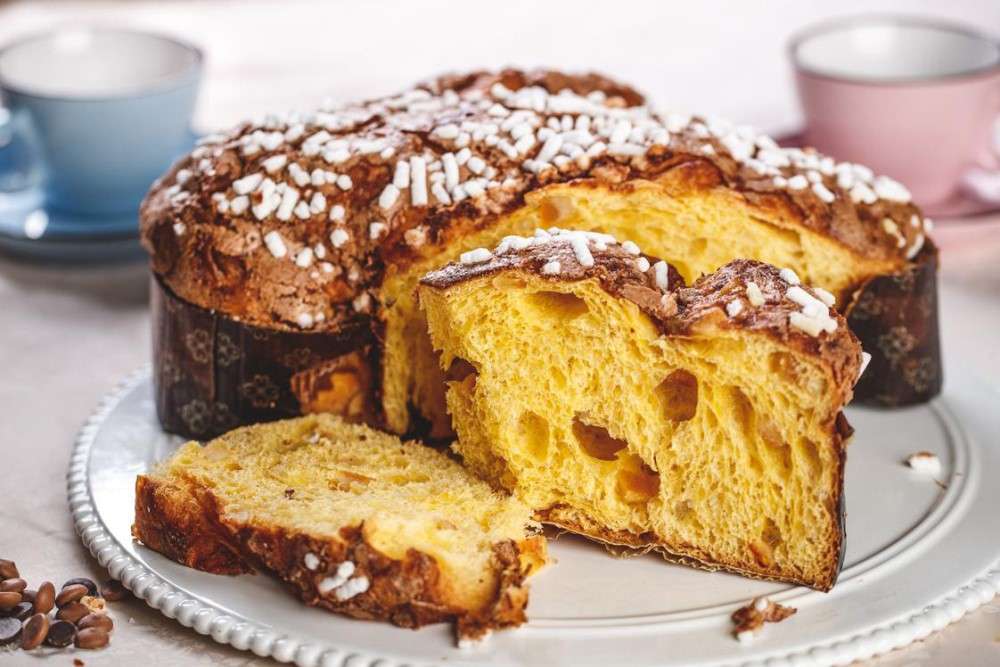
Colomba Pasquale: History, Regional Variations, and the Culture Behind Italy’s Iconic Easter Cake
If you travel in Italy around Easter, you’ll notice a familiar shape in bakery windows and family tables: a soft, golden cake formed like a dove, topped with almonds and crunchy sugar pearls. Colomba pasquale (often called Colomba di Pasqua) is more than an Easter dessert. It’s a symbol of renewal, a seasonal ritual, and like many Italian classics, a mix of modern invention and older storytelling.
This article explores the history of colomba, the legends that surround it, its traditional ingredients, and the most loved regional and artisanal variations you’ll find today.
What is Colomba
Colomba is the Easter counterpart of panettone: a rich, buttery, naturally leavened dough that rises slowly and bakes into a tall, fluffy crumb. The classic version typically includes candied orange peel, while the top is finished with an almond glaze and pearl sugar for crunch.
The name “colomba” means dove, a symbol associated with peace and, in Christian tradition, spiritual renewal. That symbolism is one reason the cake has become so emotionally linked to Easter tables in Italy.
The real origin story: a brilliant 1930s Italian marketing move
Here’s the part many people don’t know: while colomba carries an ancient aura, the modern colomba as we know it was commercialized in the 1930s in Milan.
According to multiple sources, the colomba was promoted and industrially launched by Motta (already famous for panettone). The idea is commonly credited to Dino Villani, Motta’s advertising director, who saw a perfect opportunity: use the same machinery and dough techniques as panettone, but create a new seasonal product for Easter.
That combination, traditional-style dough, a new symbolic shape, and mass distribution, turned colomba into a national habit in less than a century.
The legends: Lombard kings, peace offerings, and a saint’s miracle
Even if the modern cake is “only” about a century old, colomba carries a collection of older legends, often linked to the Lombard period, about dove-shaped bread as a sign of peace.
Two of the most repeated stories are:
- The Siege of Pavia (572 AD): King Alboin allegedly receives a dove-shaped sweet bread as a peace offering and spares the city.
- Saint Columbanus (San Colombano): invited to a lavish meal during Lent, he refuses the meat; after a blessing, the food is said to transform into white doves, an image later tied to the colomba symbol.
It’s important to read these as legends, not verified history. But culturally they matter: Italians often love foods that sit at the intersection of faith, folklore, and identity. Colomba’s dove shape becomes more meaningful when you frame it within centuries of stories about peace and transformation.
What makes a genuine version of Colomba: ingredients and structure
A classic colomba shares a lot with panettone, but with a few signatures:
1) Slow-risen dough
Traditional colomba is typically made with natural yeast / sourdough starter and long fermentation, which creates a soft, elastic texture and a fragrant crumb.
2) Candied citrus
Unlike panettone (which often includes raisins), is commonly associated with candied orange peel and citrus aromas.
3) Almond glaze and sugar pearls
The top is the identity card: a glaze made from egg white/sugar/ground almonds, finished with whole almonds and pearl sugar (that crunchy, bright sweetness you notice immediately).
This topping is also why colomba photographs so well: it has texture, shine, and contrast very “holiday table” energy.
Regional and artisanal variations: from pistachio to chocolate and beyond
Modern Italian pastry culture loves to respect tradition while playing with it. That’s why you’ll now find countless variations, some deeply regional, others purely creative.
1) Pistachio (often linked to Sicily)
Pistachio versions are among the most popular “new classics,” frequently using pistachio glaze, pistachio cream fillings, or chopped nuts on top. They’re especially common in Sicilian-inspired productions (where pistachio is culturally and agriculturally iconic).
2) Chocolate
Chocolate chips or dark chocolate coatings appear in many commercial and artisan versions. It’s a crowd-pleaser for anyone who wants Easter sweetness without candied peel.
3) Citrus-forward and regional fruit twists
Some bakers push citrus intensity, lemon, orange, mixed peel, sometimes with spices, especially in southern-inspired variations.
4) Filled: creams, custards, and even balsamic accents
A growing trend is filled the dessert with pastry cream, chocolate cream, or more unusual pairings. Artisan options that include creative interpretations, including versions made with balsamic vinegar-inspired fillings and chocolate glazes, proof that colomba has become a playground for high-end pastry innovation.
5) Gluten-free and “free-from”
Demand for gluten-free and lactose-reduced versions has increased across Italy’s holiday baking market. While not “traditional,” these versions let more people participate in the ritual, a big deal in a culture where festive food is social glue.
Why this tradiytion matters culturally: it’s not just dessert
Colomba pasquale sits at the center of three Italian Easter values:
- Condivisione (sharing)
Is typically sliced and served at the end of a long Easter lunch. The act of cutting and sharing is part of the holiday. - Seasonality
Like panettone at Christmas, colomba is a seasonal signal: when it appears, Easter is near. - Identity through tradition (and gentle change)
The cake is modern in origin, legendary in storytelling, and contemporary in its variations. That combination is very Italian: protect the ritual, play with the details.
How to choose a good colomba
When you’re buying, especially as a gift, look for:
- Natural leavening / long fermentation (often mentioned on artisan labels)
- Quality candied peel (fragrant, not overly sweet)
- A crisp, generous glaze with whole almonds and sugar pearls
- A balanced crumb: soft, airy, but not dry