


Cooking Class, Florence or Chianti: Which One Should You Choose?
Taking a cooking class in Tuscany is one of the best ways to go beyond sightseeing and experience the region through its flavors, traditions and people. But once you start looking for the perfect Tuscan cooking class, one question quickly appears: should you choose a Florence cooking class in the heart of the city or leave the historic center behind for a Chianti cooking class surrounded by vineyards and rolling hills?
Both experiences can introduce you to handmade pasta, traditional Tuscan recipes, local ingredients and the convivial spirit that defines Italian cooking. Yet the atmosphere, pace and overall experience can be surprisingly different. A cooking class in Florence is ideal for travelers who want to combine gastronomy with museums, architecture, markets and city life. A cooking experience in Chianti, on the other hand, turns the lesson into a small countryside escape, often surrounded by vineyards, olive groves and rural landscapes.
There is no single right choice. It depends on how much time you have, what kind of atmosphere you are looking for and, most importantly, what you want to remember about your day in Tuscany.
Florence Cooking Class: Tuscany Without Leaving the City
For many visitors, a cooking class in Florence is the easiest way to add an authentic food experience to an already busy itinerary. Florence is compact enough that a morning spent preparing fresh pasta can be followed by an afternoon at the Uffizi Gallery, a walk across Ponte Vecchio or a visit to the Duomo. You do not need to dedicate an entire day to transportation, and many cooking schools are located within walking distance of the principal sights. But convenience is only part of the attraction.
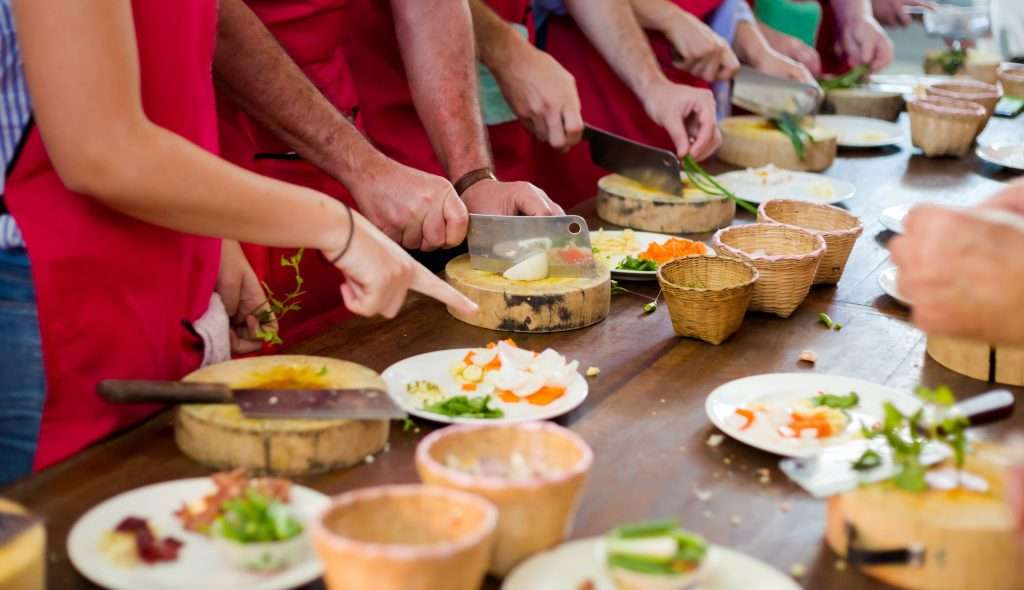
Florence has a strong culinary identity of its own. Traditional dishes reflect the history of a city whose cuisine was built around simple ingredients, seasonal produce, bread, vegetables and meats transformed through recipes passed down for generations. A good Florence cooking class might include learning how to prepare fresh pasta from scratch, ravioli, gnocchi, traditional sauces, pizza, tiramisù or other Italian desserts. Some experiences are structured around a complete Tuscan menu, allowing participants to cook several courses before sitting together to enjoy what they have prepared.
Current Tuscan tourism listings continue to feature cooking experiences in historic buildings in central Florence, including multi-course classes led by professional chefs, showing how food workshops have become an established part of the city’s cultural tourism offer. The great advantage is that food becomes another way of understanding Florence rather than a completely separate excursion.
Florence Markets Add Another Dimension to a Cooking Class
One of the strongest reasons to choose Florence is the possibility of combining the lesson with a visit to a traditional food market. The city has two historic food markets: Mercato Centrale di San Lorenzo and Mercato di Sant’Ambrogio. Both were created during the period when Florence was the capital of Italy in the nineteenth century and remain important places in the city’s food culture today.
Sant’Ambrogio is particularly interesting for travelers who want to see a more everyday side of Florence. Its covered section contains food shops and stalls, while the surrounding area remains closely connected to neighborhood life. The market currently operates from Monday to Saturday in the morning, making it particularly suitable for food experiences scheduled earlier in the day. Walking among vegetables, cheeses, bread, meat and other local ingredients before cooking creates a connection between what appears on the market stall and what eventually reaches the plate.
This is one of the biggest differences between simply eating Tuscan food in a restaurant and taking part in a Florence market and cooking class: you begin to understand ingredients, seasonality and the way local people shop. For travelers interested in food culture as much as cooking technique, this can be a major advantage.
Who Should Choose a Florence Cooking Class?
A Florence cooking class is particularly suitable if you are visiting Tuscany for only a few days or if Florence is your main base. It is also a very good option for families, couples and groups that do not want to organize additional transportation into the countryside. The experience tends to feel dynamic and urban. You may spend the morning at a market, walk through a historic neighborhood, enter a professional kitchen and then prepare lunch together.
And once the class has finished, Florence is immediately outside the door. You can continue toward Santa Croce, Piazza della Signoria or the Arno without turning the cooking experience into a full-day excursion. For a traveler trying to fit art, history and gastronomy into a short stay, that flexibility is difficult to beat.
Chianti Cooking Class: When Cooking Becomes Part of the Landscape
A Chianti cooking class offers something quite different. Instead of experiencing Tuscan cuisine within the city, you travel into the landscape that produces many of the ingredients and wines associated with it. The Chianti territory stretches through the hills between Florence and Siena and is characterized by vineyards, olive groves, woods, farmhouses, castles and historic villages. Areas such as Greve in Chianti, Radda in Chianti, Castellina in Chianti and Gaiole in Chianti form part of the historic heart of this landscape.
Here, the setting becomes part of the cooking lesson. Preparing pasta in a countryside kitchen while looking across Tuscan hills feels fundamentally different from doing the same thing inside the historic center of Florence. The recipes may be similar, but the experience is not. You are not simply learning how to make Italian food. You are spending several hours immersed in the rural environment from which much of Tuscan food culture developed.
Wine Is a Natural Part of the Chianti Experience
The other major difference is wine. Chianti is inseparable from its vineyards, and a cooking experience in the countryside can naturally be combined with a Chianti wine tasting, a cellar visit or an introduction to local olive oil.
The historic Chianti Classico production area lies between Florence and Siena and includes some of Tuscany’s most recognizable wine landscapes. Sangiovese must account for at least 80% of Chianti Classico, and the wine is traditionally paired with several classics of Tuscan cuisine, including red meats and aged pecorino. This makes the countryside especially appealing to travelers who want to understand not only how a dish is prepared, but also why certain foods and wines belong together.
Current experiences available throughout the Chianti Classico area include winery visits, tastings, gourmet meals, vineyard picnics and cooking classes, reflecting how food and wine tourism has become closely integrated into the identity of the territory. A cooking class can therefore become part of a broader Chianti food and wine experience rather than a standalone activity.
Cooking in Chianti Often Feels Slower
There is also a difference in rhythm. Florence encourages movement. You leave the cooking class and immediately encounter churches, museums, shops, cafés and crowds. Chianti encourages you to stay. A countryside cooking experience may include time in a garden or on a terrace, a leisurely meal after the lesson or simply the opportunity to enjoy the landscape with a glass of wine.
This slower pace can make a Chianti cooking class especially attractive for couples, honeymooners, families celebrating a special occasion or groups of friends who want the experience itself to become one of the highlights of their trip. Current cooking experiences promoted in the countryside around Florence include lessons based on traditional techniques, handmade pasta and food-and-wine pairings, demonstrating how the rural format frequently combines the actual class with a wider introduction to Tuscan gastronomy.
Florence vs Chianti Cooking Class: The Main Difference
The easiest way to understand the choice is this: In Florence, cooking becomes part of your city experience. In Chianti, cooking becomes part of your Tuscan countryside experience.
Choose Florence if accessibility matters most. You can reach the class easily, combine it with sightseeing and potentially include a visit to Mercato di Sant’Ambrogio or Mercato Centrale. Choose Chianti if the setting matters just as much as the recipes. Vineyards, olive trees, countryside views and the possibility of adding wine tasting give the experience a completely different character.
Neither option is more “authentic” simply because of its location. Authenticity depends much more on the quality of the chef, the size of the group, the ingredients used and the amount of actual participation involved. A beautiful countryside view cannot compensate for a class where guests barely cook. Likewise, a central Florence location does not make an experience overly touristy if the chef genuinely teaches traditional techniques and encourages everyone to participate.
What Should You Actually Cook?
Whether you choose Florence or Chianti, look carefully at the menu before booking. The best classes are usually focused enough to teach you something that you can reproduce once you return home. A pasta making class in Tuscany might teach participants how to work dough properly, roll it by hand and prepare different shapes. A pizza lesson can introduce the relationship between flour, fermentation and baking. A tiramisù class may look simple, but it can still explain techniques and ingredient balance that recipes found online often overlook.
Seasonality is also important. Tuscan cooking has historically been closely connected to what is available locally, and ingredients should ideally change with the time of year rather than forcing the same menu throughout every season. Fresh vegetables, herbs, olive oil, cheese, bread and regional products are part of the experience just as much as the final recipe. That philosophy reflects Tuscany’s wider food culture, where wine, olive oil, truffles and regional produce are closely linked to the territory itself.
Is a Chianti Cooking Class Worth Leaving Florence For?
If your itinerary allows it, absolutely, but only if you want the countryside experience. Travelers sometimes choose Chianti because they believe a rural cooking class must automatically be “more authentic.” That is too simplistic. The real reason to leave Florence is to experience a different side of Tuscany.
The road through Chianti connects vineyards, historic villages and landscapes that simply cannot be recreated inside the city. The Chiantigiana, the famous road linking the Florence area toward Siena through the Chianti countryside, provides access to places such as Greve, Panzano, Castellina and surrounding wine estates.
If those landscapes are part of what you imagine when you dream about Tuscany, dedicating several hours to a countryside cooking experience makes sense. If you only have two days in Florence and still want to see the Uffizi, Accademia, Duomo and Palazzo Vecchio, however, spending much of a day outside the city may not be the best use of your limited time.
What About Families and Children?
Both options can work very well for families. Children often enjoy experiences where they can physically participate rather than simply follow an adult through another museum. Rolling pasta, shaping gnocchi, decorating pizza or preparing dessert gives younger travelers something memorable to do. For families staying in central Florence without a car, a family cooking class in Florence is generally the simplest choice from a logistical perspective.
For families with more time, a Chianti experience can provide a welcome break from museums and crowded streets. A countryside location may give children a completely different impression of Tuscany, especially when the day includes gardens, outdoor spaces or other rural activities. The key is to check the duration of the class, minimum ages and exact level of participation before booking.
What About Couples and Honeymooners?
For romance, Chianti has an obvious advantage in atmosphere. Cooking together, sharing the meal and enjoying a glass of local wine among Tuscan hills can become one of those travel memories that feels almost designed for a honeymoon. But Florence should not be underestimated.
A private cooking class followed by an evening walk through the historic center can be equally memorable, especially for couples who love the energy of the city. The decision comes down to the kind of romantic experience you prefer: urban elegance or countryside escape.
Private Cooking Class or Small Group?
Location is not the only decision worth considering. Group size can radically change the experience. A large class can be social and fun, particularly for solo travelers who want to meet other people. A small-group Tuscan cooking class, however, usually offers more interaction with the chef and more time to understand each technique.
A private cooking class offers another level of flexibility. The menu may be easier to personalize around dietary requirements, interests or particular recipes, and the timing can sometimes be adapted to the group. Private classes can be especially worthwhile for families, groups of friends, celebrations and travelers who already know how to cook and want a more advanced experience.
Florence or Chianti: Which Cooking Class Should You Choose?
If this is your first visit to Tuscany, the choice can be surprisingly simple. Choose a Florence cooking class if you want convenience, historic-city atmosphere, easy integration with sightseeing and the possibility of exploring traditional food markets.
Choose a Chianti cooking class if you want the cooking lesson to become a destination in itself, surrounded by vineyards, countryside and the food-and-wine culture that has made Tuscany famous around the world.
And if your itinerary allows enough time, there is another answer: do both.