


Cooking Tuscany: Family Stories and Unforgettable Flavors
When people think of Tuscany, they often envision rolling hills dotted with vineyards, medieval villages perched on hilltops, and the golden glow of sunsets that turn the landscape into a living painting. But beyond the scenery lies the true heart of this region: its kitchens, tables, and family stories, where recipes are more than meals, they’re legacies passed down through generations.
It’s clear that visitors want more than just to taste Tuscany; they want to live it, learn it, and bring it home. This article dives into why cooking in Tuscany is so powerful, the family traditions that keep it alive, and the unforgettable flavors that make every bite a story.
A Cuisine Born of Simplicity and Ingenuity
Tuscan cuisine has humble roots. It’s known as “cucina povera,” which literally means “poor kitchen”, but in spirit, it’s incredibly rich. Families throughout history learned to turn modest ingredients into remarkable dishes. Day-old bread became panzanella or ribollita. Simple flour and water transformed into hand-rolled pici pasta. Olive oil, rosemary, garlic, and sage elevated even the simplest beans or meats.
In Tuscany, cooking has always been about respecting the land and making the most of what it provides. This philosophy, born from necessity, is now celebrated globally as a model of seasonal, sustainable eating.
Family Recipes: More Than Instructions, They’re Memories
Ask any Tuscan nonna (grandmother) for her recipe for cantucci (the famous almond cookies), and you’ll likely get a story instead of precise measurements. In Tuscany, recipes are oral traditions, passed from mother to daughter, uncle to nephew, often adapted over decades.
Take, for example, the Sunday ragu. In countless homes, slow-simmered tomato sauce bubbles on the stove for hours, filling kitchens with aromas that mean family gatherings, shared laughter, and the comfort of being home. Or consider the preparation of castagnaccio, a rustic chestnut flour cake flavored with rosemary and pine nuts, often tied to autumn festivals and village traditions.
These dishes are more than food, they are a way of remembering who you are and where you came from.
Cooking Classes and Agriturismos: A Modern Window into Tradition
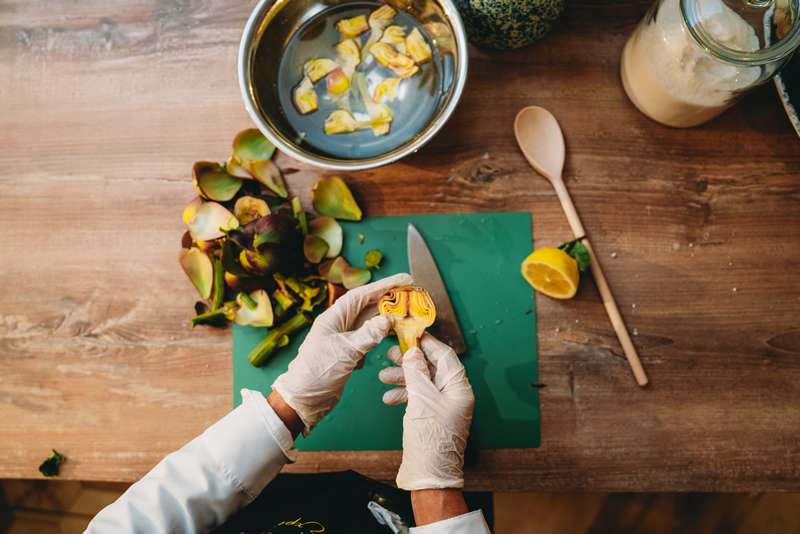
For travelers, there’s no better way to explore this culinary heritage than by joining a cooking class or staying at an agriturismo (farm stay). Here, you’ll knead dough alongside Tuscan cooks who share family anecdotes with each recipe. You’ll learn to judge flour by feel, taste sauces at every stage, and perhaps sip a little too much Chianti while shaping gnocchi.
In 2025, many visitors choose immersive culinary experiences that combine garden or market visits with hands-on cooking lessons, ending with a long meal where new friends share plates, stories, and plenty of toasts.
Recommended spots include:
Chianti farmhouses offering lessons in fresh pasta and olive oil tasting.
Small cooking schools in Florence or Siena that recreate nonna’s kitchen.
Truffle hunts paired with cooking sessions, blending adventure and tradition.
Dishes That Tell Stories
Every classic Tuscan dish carries with it a tale of place and people.
Bistecca alla Fiorentina: Not just a steak, but a ritual. Sourced from Chianina cattle and grilled over wood coals, it’s often shared by family or friends with a bottle of bold red wine. Eating it is an event.
Ribollita: Literally “reboiled,” this soup of bread, kale, and beans is a symbol of frugality and cleverness. Families made large pots, reheating it day after day as the flavors deepened.
Crostini neri: Chicken liver pâté on toast is a staple of Tuscan gatherings, often accompanied by local stories of harvest festivals or village fairs.
The Soul of Tuscany: Eating Together
Perhaps more than any single ingredient, what makes cooking in Tuscany so unforgettable is the ritual of gathering around the table. Meals stretch for hours, with dishes arriving slowly, conversation flowing, and glasses raised repeatedly in cheerful “cin cin.”
It’s an experience that visitors carry home with them, often saying they came for the art and landscapes but stayed (and returned) for the feeling of being welcomed like family around a Tuscan table.
Why Cooking Tuscany Matters in 2025
In a world moving ever faster, more travelers crave the slow rhythms of Tuscan kitchens, where attention, time, and love are the main ingredients. Search trends for 2025 show increasing interest in “culinary retreats Italy,” “slow food Tuscany,” and “authentic cooking experiences.”
Whether you’re making pici from scratch, tasting olive oil at its mill, or simply listening to a grandmother share why she always adds a sprig of sage to her beans, you’re participating in something profound: the living heritage of Tuscany.
Bringing Tuscany to Your Own Table
So if you find yourself wandering through Tuscany, stop into a farmhouse kitchen, sign up for that pasta-making class, or accept an invitation to a Sunday lunch. Learn not just the recipes, but the stories, the laughter, the subtle wisdom behind every stir of the pot.
Because long after you’ve left the hills and vineyards behind, you’ll find yourself at home, recreating these flavors, and with them, the memories of cooking Tuscany, of sharing life, love, and unforgettable tastes around the table.