


Market Tour or Pasta Class? Which Florence Food Experience Should You Choose?
Florence is a city where food is not simply something to eat between museums and monuments. It is part of everyday culture, family traditions and the rhythm of neighbourhood life. For travellers who want to go beyond restaurants and discover authentic Tuscan cuisine, two experiences are particularly popular: joining a Florence food market tour or taking a pasta making class in Florence.
Both can be memorable, but they offer very different ways of understanding Italian food. A market tour is mainly about ingredients, seasonality, local producers and observing how Florentines shop. A pasta class is much more practical: you put on an apron, work the dough with your hands and learn techniques that you can recreate when you return home. Then there is a third option that increasingly appeals to food travellers: combining the two into a Florence market tour and cooking class.
So which experience should you choose? The answer depends on how much time you have, how involved you want to be and what kind of memory you want to take home from Florence.
Choose a Florence Market Tour If You Want to Understand How Locals Eat
A food market tour in Florence is less about following a recipe and more about learning how Italian cooking begins. Before pasta reaches the table, somebody has to choose the vegetables, cheese, meat, herbs, olive oil and other ingredients. That purchasing process is still an important part of Italian food culture.
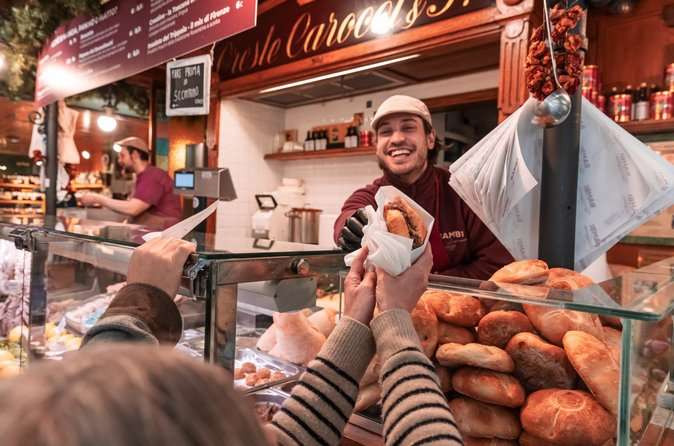
One of the best places to see it is Mercato di Sant’Ambrogio, in Piazza Lorenzo Ghiberti. Opened in 1873, Sant’Ambrogio remains one of Florence’s historic neighbourhood markets. Its covered section contains butchers, cheesemongers, fish sellers, bakeries and gastronomia counters, while fruit, vegetables and other products are sold around the exterior. The market currently operates from Monday to Saturday, generally between 7:00 am and 2:00 pm, which is an important consideration when planning a food experience:
Florence market tours are primarily morning activities.
Walking through Sant’Ambrogio with someone who understands Tuscan ingredients transforms what might otherwise look like a collection of food stalls. Suddenly you begin noticing the differences between fresh and aged pecorino, understanding why one tomato variety works better for a particular sauce, recognising seasonal vegetables and discovering ingredients such as Tuscan beans that play an important role in regional cooking.
You may encounter products such as cannellini beans, zolfini beans, pecorino, schiacciata, fresh pasta, salumi and seasonal vegetables, alongside ingredients that rarely appear on standard tourist menus. This makes a market tour particularly valuable for travellers interested in Florentine food culture rather than only famous dishes.
Sant’Ambrogio Is Becoming Even More Interesting for Food Travellers
Sant’Ambrogio is historic, but it is not a museum. A substantial renovation of the market was completed in December 2025, introducing new external coverings and upgraded lighting, electrical and water infrastructure while preserving and restoring historic stone paving discovered during the work. Further improvements were completed in August 2026, including a new shading system designed to improve thermal comfort under sections of transparent roofing.
The result is a useful combination: a market that continues to function as a genuine place for everyday shopping while becoming more comfortable and accessible. For visitors seeking an authentic Florence market experience, that matters. Sant’Ambrogio is interesting precisely because people are still there to buy dinner, not simply to photograph food.
Choose a Pasta Making Class If You Want to Learn a Skill
A pasta cooking class in Florence offers an entirely different experience. Instead of observing how Florentines shop, you become part of the cooking process. Typically, participants start with flour and eggs before learning how to mix and knead the dough correctly. After the dough rests, it is rolled into sfoglia, cut or filled and transformed into different pasta shapes.
Depending on the class, you might prepare tagliatelle, pappardelle, ravioli, tortelli or other varieties of handmade pasta.
The biggest advantage is obvious: you are learning something you can repeat at home. Months after your trip, you may not remember every ingredient explained during a food tour, but you are far more likely to remember the feeling of dough changing texture beneath your hands or the technique used to seal ravioli.
This makes a fresh pasta class in Florence especially appealing to couples, families, groups of friends and travellers who enjoy hands-on activities.
Pasta Classes Are Also Easier to Fit into a Florence Itinerary
Time can be a deciding factor. A dedicated pasta class often lasts approximately three hours, while market-and-cooking experiences can extend to four hours or more. For example, SiChef Florence, located in Via della Mattonaia near Sant’Ambrogio, currently offers several three-hour cooking experiences including fresh pasta with sauces, pasta and tiramisù, pasta and gelato and other Italian cooking classes.
This makes a pasta class much easier to combine with sightseeing. You could visit the Uffizi or Santa Croce in the morning, take an afternoon cooking class and still have the evening available. Cooking schools can also schedule classes later in the day, whereas traditional markets follow morning shopping hours. For travellers spending only two or three days in Florence, that flexibility is important.
Choose a Market Tour If Food Culture Matters More Than Cooking Technique
Ask yourself a simple question: Do you want to understand Italian ingredients, or do you want to learn how to cook with them?
If your main interests are local traditions, seasonality, markets, farmers, regional products and how Italians shop, choose the market.
A good guide can explain why Tuscan cuisine historically relies so heavily on bread and legumes, how different types of pecorino are used and why seasonal produce influences what appears on restaurant menus.
A market tour can also introduce you to businesses such as Formaggeria di Sant’Ambrogio or traditional market stalls selling beans, grains, meat and fresh produce. You are learning the vocabulary of Tuscan cooking before entering the kitchen.
Choose a Pasta Class If You Prefer Doing Rather Than Listening
Some travellers simply learn better by using their hands. A cooking class offers constant participation.
You knead. You roll. You cut. You fill. You cook. And finally, you eat.
This makes a Florence cooking class especially effective for families with children and teenagers, who may lose interest during a long explanatory food tour but happily spend an hour covering a work surface in flour.
It can also be one of the most social food experiences in Florence. Small-group cooking classes bring travellers around the same workstations and eventually around the same table. By the end of the experience, people who did not know each other a few hours earlier are often sharing wine, comparing ravioli and discussing their travels.
The Best Solution? Combine the Market Tour and Pasta Class
For travellers with enough time, choosing between the two may be unnecessary. A market tour and pasta class in Florence combines the strongest aspects of both experiences. The sequence makes intuitive sense. First, you visit the market. You see the ingredients. You understand where they come from. You learn how to choose them. Then you walk into the kitchen and transform those ingredients into lunch. This creates a complete market-to-table experience in Florence rather than two disconnected activities.
One example is the Sant’Ambrogio Market Visit & Fresh Pasta with Sauces Class at SiChef Florence. The experience begins around the historic Sant’Ambrogio Market, where participants explore seasonal ingredients and local products before returning to the cooking school in Via della Mattonaia to prepare fresh pasta and sauces. The complete experience lasts approximately four hours and combines ingredient selection with practical pasta-making.
Another option is Mama Florence, which currently offers a Florence Market Tour & Pasta Cooking Class combining a market visit with a longer cooking session. Its programme lasts around four and a half hours and includes fresh pasta, sauces and a complete meal.
Sant’Ambrogio or San Lorenzo Market?
Another choice concerns location. Many Florence cooking experiences traditionally use the San Lorenzo and Mercato Centrale area, largely because of its central position close to Florence Cathedral and Santa Maria Novella. It is certainly convenient and has an extraordinary concentration of food businesses.
Sant’Ambrogio offers a somewhat different atmosphere. Located east of the Duomo, close to Santa Croce, it continues to function strongly as a neighbourhood market. In the morning, you can still watch Florentines choosing vegetables, buying meat, discussing cheese or stopping for an espresso before continuing with their day. If your goal is to experience a more everyday side of Florence, a Sant’Ambrogio Market tour is particularly appealing.
What About Families with Children?
For families, the decision usually comes down to the children’s ages and attention spans. A three hour pasta making class for families in Florence is often easier than a long market tour for younger children. The tactile aspects of pasta-making keep them involved: cracking eggs, mixing flour, kneading dough and shaping ravioli all feel closer to playing than studying.
Older children and teenagers, however, may appreciate a combined market-and-cooking experience, particularly if they are already interested in food. Families should also consider duration carefully. A four, or fou and a half hour experience can be fascinating for adults but demanding for very young travellers.
What About Couples?
For couples, both options work extremely well. A market tour is ideal for travellers who enjoy food, wine and cultural storytelling. A pasta class is more playful and interactive and can be a fun alternative to another traditional romantic dinner.
If Florence is part of a honeymoon or anniversary trip, a private cooking class can make the experience even more personal.
Which Experience Is Better for First-Time Visitors?
For someone visiting Florence for the first time and spending only a weekend in the city, a pasta making class may be the easiest option. It requires less time, is less dependent on morning opening hours and delivers a clear hands-on experience.
For travellers staying four or five days, however, adding a market component becomes much more worthwhile. You have enough time to slow down and understand why Tuscan food tastes the way it does rather than simply learning a recipe.
Market Tour vs Pasta Class: The Quick Decision
Choose a Florence market tour if you:
- Love discovering local ingredients and seasonal produce
- Want to observe everyday Florentine food culture
- Enjoy talking with producers and vendors
- Prefer cultural storytelling to intensive cooking
- Have a free morning in Florence
Choose a pasta making class in Florence if you:
- Want a completely hands-on experience
- Would like to recreate Italian recipes at home
- Are travelling with children or teenagers
- Need more flexible morning, afternoon or evening scheduling
- Prefer approximately three hours rather than a longer food experience
Choose a market tour and cooking class if you:
- Are genuinely passionate about Italian food
- Have at least half a day available
- Want to understand both ingredients and techniques
- Like the idea of shopping, cooking and eating as one continuous experience
Which Florence Food Experience Should You Choose?
There is no universal winner because a market tour and a pasta class reveal two different sides of Florence. The market teaches you how Florentines think about food. The cooking class teaches you what to do with it. If you only have time for one experience and want maximum participation, choose the pasta class. If you are more interested in culture, ingredients and daily life, choose the market tour.
But if food is one of the main reasons you came to Tuscany, the strongest option is the combination: begin among the stalls of Mercato di Sant’Ambrogio, learn how to recognise the ingredients that define Tuscan cooking, then walk into a kitchen and transform them into fresh pasta.
Because the most memorable food experiences in Florence are rarely just about eating. They are about understanding how a handful of flour, seasonal vegetables, olive oil, cheese and local knowledge become something unmistakably Italian.